
Allergy Season Peaks in New Jersey: Clinic Timing to Start Medication
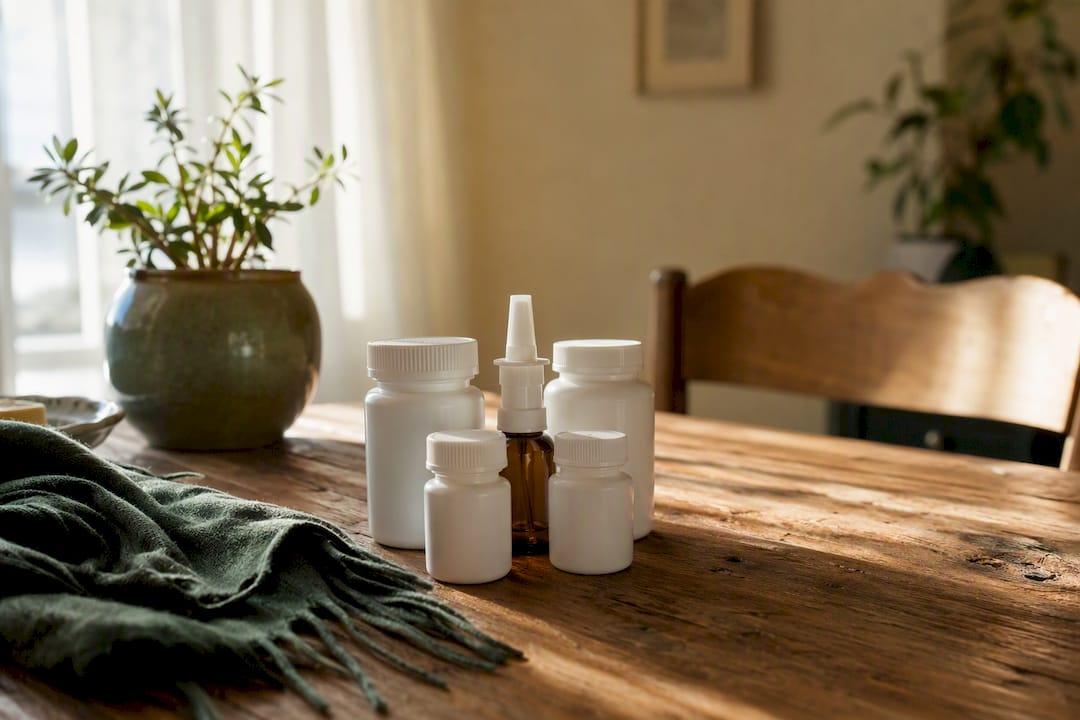
New Jersey allergy season runs almost nine months out of the year, starting with tree pollen in early spring and closing out with ragweed in the fall before indoor allergens take over for winter. Tree pollen from oak, birch, and maple typically dominates spring, grass pollen peaks in early to mid-summer, and ragweed is prevalent in late summer to fall. The 2026 regional outlook suggests a typical pollen year, so starting medication before symptoms begin is advised.
TL;DR:
- Pollen counts for oak, birch, and maple trees peak in early spring, especially in inland areas and dense urban streets where pollen can accumulate.
- Ragweed releases pollen from late summer into mid-fall, with warmer falls and delayed frosts extending symptoms beyond traditional seasons.
- Starting allergy medication at least one month before peak pollen periods, such as in early August for ragweed, leads to better symptom control.
- Testing to identify specific allergens prevents mistimed treatments and allows for personalized management, including immunotherapy if needed.
- Using indoor home controls like HEPA filters, closing windows on high pollen days, and showering after outdoor activities can significantly reduce symptom severity.
Table of Contents
- New Jersey’s Allergy Season Timeline, Month by Month
- What Does the 2026 Pollen Outlook Look Like for NJ?
- How Do You Know If It’s Allergies and Not a Cold?
- What Actually Reduces Allergy Symptoms at Home?
- Where Can You Check Daily Pollen Counts in NJ?
- Our Take: Timing Beats Treatment Once Symptoms Start
- Get Ahead of Allergy Season With a Local Care Team
- Sources
- FAQ
New Jersey’s Allergy Season Timeline, Month by Month
Spring arrives first, and it arrives loud. Tree pollen from oak, birch, maple, and cedar typically starts releasing in early spring, ramps through mid-spring, and tapers by late spring. Oak and birch tend to produce the heaviest counts across northern New Jersey towns like North Bergen and Secaucus, where tree cover is dense and pollen can linger close to the ground on still, humid mornings.
Grass pollen takes over as trees wind down, usually peaking during late spring through mid-summer. Unlike tree pollen, which tends to spike in the early morning, grass pollen often climbs in the late afternoon and evening, so an evening walk during peak season can hit just as hard as a morning jog.
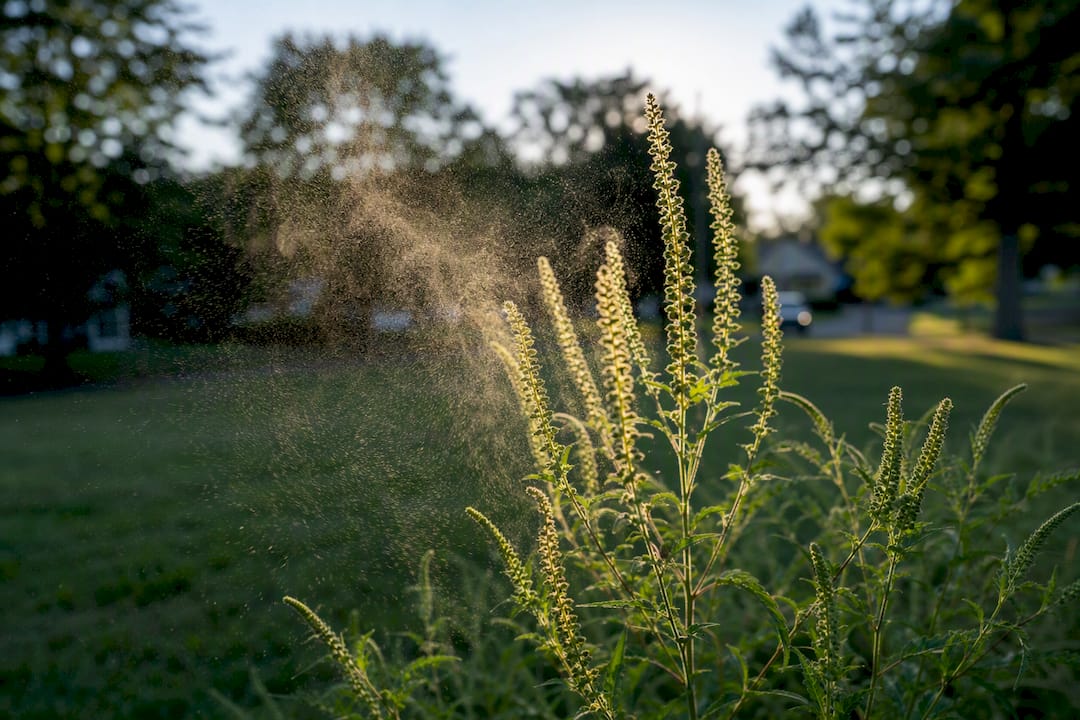
Ragweed is the big one for late summer and fall. It typically begins releasing pollen in late summer, peaks in early fall, and can linger into mid to late fall depending on the arrival of the first hard frost. A single ragweed plant can produce a very large number of pollen grains over a season, and that pollen travels for miles on the wind, which is why ragweed symptoms show up even for people who live far from open fields.
Winter shifts the problem indoors. Dust mites, pet dander, and indoor mold become the main triggers once windows close and heating systems kick on for the season.
A few things worth keeping in mind as you plan around this calendar:
- Coastal towns often see slightly delayed tree pollen compared to inland New Jersey because ocean air keeps temperatures cooler longer.
- Urban, tree-lined streets can trap pollen against buildings, raising local counts above what a regional forecast suggests.
- Rain washes pollen out of the air temporarily, but it also fuels fresh plant growth that raises counts days later.
What Does the 2026 Pollen Outlook Look Like for NJ?
Regional forecasting from Nj. Average doesn’t mean mild, though. It means a typical season length and typical peak intensity, with day-to-day spikes still driven heavily by weather.
Temperature, wind, rainfall, and frost timing all move pollen counts around week to week. Dry, windy days tend to produce the sharpest spikes even in an otherwise average season, while heavy rain knocks pollen down for a day or two before plant growth rebounds and counts climb again.
The longer-term trend matters more than any single season’s forecast. Rutgers research shows that seasonal warming has lengthened ragweed’s pollen season, extending exposure later into the fall, and Rutgers has documented earlier first sightings of ragweed in recent years in the New York and New Jersey region in recent years, a sign that the season is starting sooner as well as ending later.
If fall remains warm and the first frost arrives later than usual, ragweed symptoms can extend beyond traditional seasonal expectations. Starting your medication in early August rather than waiting for symptoms is a reasonable adjustment given that trend.
How Do You Know If It’s Allergies and Not a Cold?
Seasonal allergies and colds share a few symptoms, which is exactly why so many people mistreat one as the other every spring and fall. Typical allergy symptoms include:
- Repeated sneezing, especially in clusters
- Itchy, watery eyes
- Clear, thin nasal discharge
- Nasal congestion and sinus pressure
- An itchy throat or ears
The timing tells you more than the symptoms do. A cold usually runs its course in seven to ten days regardless of the calendar. Allergy symptoms track the pollen forecast, flaring on high-count days and easing when counts drop or after rain.
Some symptoms are red flags no matter the season. Fever, significant wheezing, chest tightness, or real difficulty breathing warrant prompt medical attention rather than another dose of an over-the-counter antihistamine.
If your symptoms are persistent, seasonal, and disruptive, testing can pin down exactly what you’re reacting to. Skin testing and blood-based specific IgE testing both identify trigger allergens, and the results shape a treatment plan that might include antihistamines, intranasal steroids, prescription medication, or immunotherapy for longer-term relief. Garden State Medical Group’s primary care team can walk you through which testing path makes sense for your symptom pattern.
Pro Tip: Keep a simple symptom log for two weeks, noting the date, time of day, and what you were doing when symptoms flared. That pattern is often enough for a clinician to narrow down the likely trigger before any testing even happens.
What Actually Reduces Allergy Symptoms at Home?
Most people wait until they’re miserable to act. Clinicians generally recommend the opposite approach: start allergy medication before your specific pollen season begins, since getting ahead of the histamine response tends to produce better control than trying to catch up after symptoms are already in full swing.
Beyond medication timing, a handful of home habits make a real difference:
- Close windows on high pollen days and run air conditioning with clean filters instead of letting outside air in.
- Run a HEPA air purifier in bedrooms, where you spend roughly a third of your day.
- Vacuum with a HEPA-filter vacuum weekly during peak season to pull pollen out of carpets and upholstery.
- Skip line-drying laundry outdoors during tree, grass, or ragweed season since fabric collects pollen.
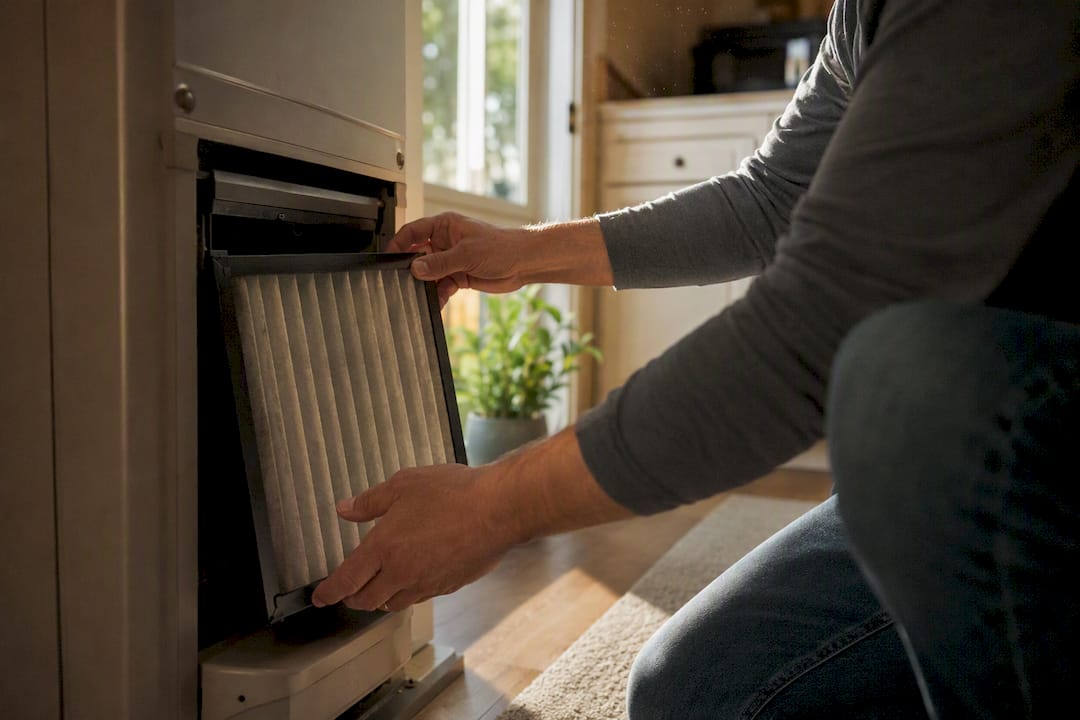
- Clean HVAC vents and swap filters before switching from heating to cooling and again before switching back, since vents collect dust and mold over months of disuse and release it all at once when the system restarts.
- Shower and change clothes after yard work or extended time outside during peak pollen hours.
For outdoor tasks, avoid early morning yard work when tree and grass pollen counts run highest, and wear sunglasses or a mask if you’re mowing or raking on a high-count day.
If symptoms persist year after year despite consistent medication and home controls, immunotherapy, whether allergy shots or sublingual tablets, is worth discussing with a clinician. It’s a longer commitment, but it addresses the underlying immune response rather than just managing symptoms as they appear.
Pro Tip: Set a calendar reminder for early February and early August, roughly a month ahead of tree and ragweed season. That’s your cue to refill medication and schedule an HVAC filter check before pollen counts climb.
Where Can You Check Daily Pollen Counts in NJ?
A forecast only helps if you actually look at it. A few reliable sources cover New Jersey specifically:
- The AAAAI National Allergy Bureau’s pollen map offers physician-reviewed counts by station, broken down by tree, grass, and weed pollen.
- AccuWeather’s local allergy forecast gives risk levels by category for specific New Jersey towns, including North Bergen.
- NJ.com’s seasonal allergy coverage tracks regional trends and expert commentary throughout the year.
- Pollen.com provides a simple daily count and short-term trend for ZIP codes across the state.
Forecasts typically rank pollen as low, moderate, high, or very high. Check one each morning during your peak trigger season, and shift outdoor chores like mowing or gardening to the lower-count days when you have the flexibility to do it.
Our Take: Timing Beats Treatment Once Symptoms Start
The research on New Jersey allergies points to one conclusion that a lot of people ignore: the season isn’t really four separate events anymore. Tree, grass, and ragweed pollen now bleed into each other closer to a continuous eight-month stretch, and the window is only getting longer as fall warming pushes ragweed later into the calendar.
The conventional advice, wait until you’re symptomatic, treat it then, gets the sequence backward. By the time your eyes are watering, your immune system has already ramped up its histamine response, and antihistamines are playing catch-up instead of prevention. The more useful habit is boring but effective: mark your calendar a month ahead of your worst season and start medication before the pollen count does.
If there’s one thing readers should prioritize first, it’s figuring out which specific pollen actually triggers them. Guessing leads to mistimed medication and wasted money on over-the-counter products that target the wrong allergen. A short conversation with a clinician, or a simple test, solves that guesswork permanently.
— Garden State Medical Group
Get Ahead of Allergy Season With a Local Care Team
Garden State Medical Group gives you something a pharmacy aisle can’t: a clinician who actually reviews your symptom history and tells you which allergen is behind it before you spend another season guessing at over-the-counter combinations.
An appointment typically starts with a review of your symptom pattern and history, followed by skin or blood-specific IgE testing when it’s warranted. From there, your provider builds a treatment plan around what actually works for your triggers, whether that’s a prescription-strength antihistamine, an intranasal steroid, or a referral for immunotherapy if your symptoms have dragged on for years. Patients managing asthma or other respiratory conditions alongside allergies can also connect with the practice’s cardiopulmonary care team for coordinated treatment during peak pollen months. Telemedicine visits are available if you’d rather start the conversation from home, and the practice accepts most major insurance plans, including Medicare and Medicaid. If diagnostic pitfalls worry you, this patient advocacy resource on allergy misdiagnosis is worth a read before your visit.
Ready to find out what’s actually triggering your symptoms? Schedule a primary care evaluation with Garden State Medical Group before peak season hits and get a plan in place while there’s still time for it to work.
This article is general information, not a substitute for advice from a qualified doctor. Consult a qualified healthcare professional about your own circumstances before acting on anything here.
Sources
- Seasonal warming leads to more ragweed allergies | Rutgers University
- Nj
- Pollen
- North Bergen Township, NJ Tree Pollen Allergen Forecast | AccuWeather
FAQ
What month are allergies worst in New Jersey?
Ragweed often causes the most severe symptoms in early fall, with tree pollen in spring and grass pollen in early summer also being significant triggers depending on individual sensitivities.
Why are my allergies so bad right now in NJ?
Sudden symptom spikes usually track short-term weather, since dry, windy days lift pollen counts fast even during an otherwise average season, and a recent rain can trigger a rebound in plant growth days later.
Is allergy season worse this year in New Jersey?
The 2026 regional forecast from AccuWeather and NJ.com projects an average pollen year for tree, grass, and weed pollen, though the ragweed portion of the season continues trending longer due to warming fall temperatures.
When should I start allergy medication in New Jersey?
Start medication about a month before your specific trigger season, such as before the beginning of tree pollen or ragweed seasons, since clinicians find medication works better started ahead of symptom onset than after.
How do I know if I need allergy testing?
If your symptoms return every year around the same season, disrupt sleep or daily activities, or don’t respond well to over-the-counter medication, a clinician can identify your exact triggers through skin or blood testing and build a targeted treatment plan.