Health Programs in North Bergen & Secaucus: Your Guide
TL;DR:
- Local health programs in North Bergen and Secaucus coordinate care and provide community-based services.
- They focus on chronic disease management, preventive screenings, vaccinations, and health education.
- Community-driven, multidisciplinary approaches help catch health issues early and improve long-term outcomes.
Many people assume that staying healthy comes down to personal choices alone, eating well, exercising, and seeing your doctor when something feels wrong. But in North Bergen and Secaucus, New Jersey, a network of organized health programs quietly does something far more powerful: it coordinates care, connects residents to resources, and catches problems before they become serious. Whether you are managing a long-term condition like diabetes or heart disease, or you simply want better preventive care for your family, these programs are designed with you in mind. This guide breaks down how local health programs work, who they serve, and how you can use them to protect your health and your family’s well-being.
Table of Contents
- How local health programs are organized and what they offer
- Chronic disease management: Diabetes, heart disease, and more
- Prevention and screenings for families and children
- Specialized services and addressing unique community needs
- Why multidisciplinary, community-driven health models matter now more than ever
- Connect with expert care programs near you
- Frequently asked questions
Key Takeaways
| Point | Details |
|---|---|
| Coordinated care is essential | Health programs bring together local organizations to help adults and families manage health more effectively. |
| Prevention benefits everyone | Free screenings, education, and vaccinations reduce risks for all ages in the community. |
| Access is expanding | Mobile clinics and special support programs make expert care available to underserved groups. |
| Specialized resources matter | Programs for diabetes, heart disease, and mental health provide targeted help you may not get in regular doctor visits. |
| Proven results | Programs like Diabetes Prevention have been shown to dramatically reduce your risk of serious illness. |
How local health programs are organized and what they offer
Now that we’ve previewed the importance of health programs, let’s break down how they’re structured and what resources they actually provide in these communities.
Health programs in North Bergen and Secaucus are not run by a single office. They operate through a layered system that includes medical groups, county coalitions, and regional health commissions. This structure allows different organizations to work together, filling gaps and reaching residents who might otherwise fall through the cracks. The result is a coordinated safety net that goes well beyond a typical doctor’s office visit.
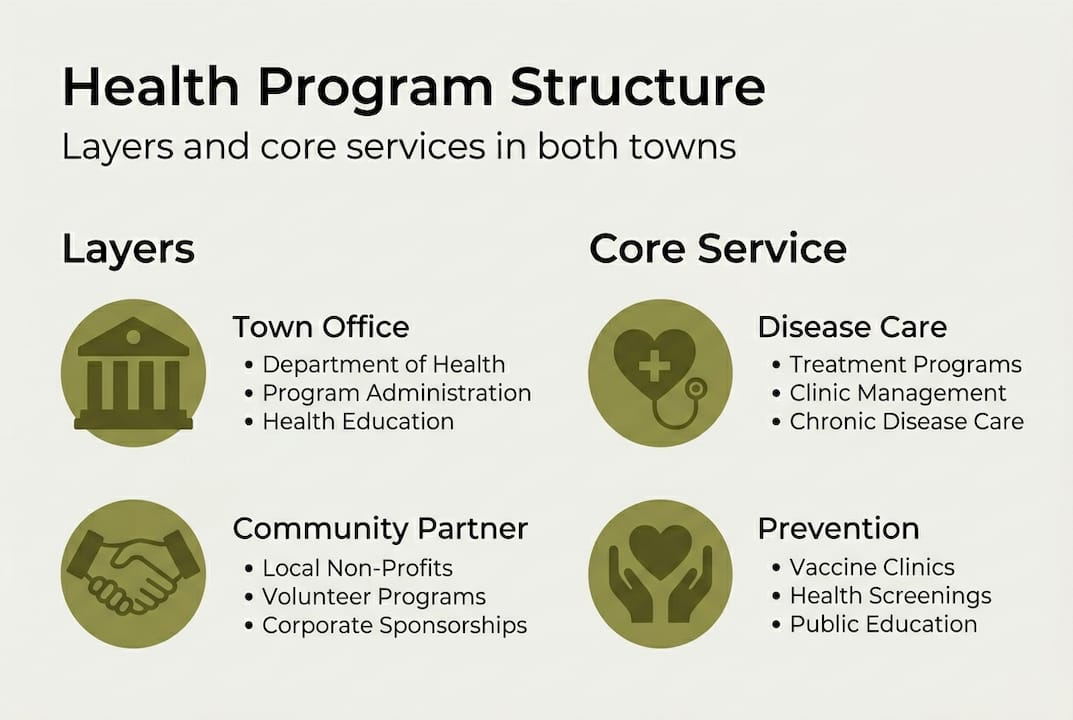
Health programs in North Bergen and Secaucus are built around five core service areas: chronic disease management, health screenings, vaccinations, health education, and mobile outreach. Each of these plays a specific role in keeping the community healthier at every age and life stage. You can also access preventive health services through scheduled clinics and local partnerships that bring care directly to your neighborhood.
The Bergen County Chronic Disease Coalition coordinates efforts for cancer and chronic conditions across the region, working alongside local providers to align resources and reduce duplication. At the state level, the cancer control plan details outline how funding and programs are prioritized for communities like yours.
Here is a summary of what local health programs typically offer:
- Chronic disease management: Personalized care plans for conditions like diabetes, heart disease, and lung disorders
- Screenings: Blood pressure checks, cholesterol panels, EKG readings, and cancer screenings
- Vaccinations: Scheduled immunization clinics for children, adults, and seniors
- Health education: Community classes, one-on-one counseling, and digital resources
- Mobile outreach: On-site services delivered to neighborhoods, workplaces, and homebound residents
| Program type | Primary audience | Core service |
|---|---|---|
| Chronic care management | Adults on Medicare | Coordinated condition monitoring |
| Diabetes prevention | Adults at risk | Lifestyle coaching and risk reduction |
| Mobile screening units | Families, seniors | Free on-site diagnostics |
| Vaccination clinics | All ages | Immunization scheduling |
| Health education programs | Community members | Disease awareness and self-management |
Understanding this structure helps you know exactly where to turn depending on what you need.
Chronic disease management: Diabetes, heart disease, and more
With that context, let’s dive into one of the biggest impacts: how health programs manage chronic disease for adults, offering much more than occasional doctor’s visits.
Chronic disease management is the ongoing process of coordinating medical care, lifestyle support, and patient education for people living with long-term conditions. In this area, programs target the most common and costly illnesses: heart disease, type 2 diabetes, and chronic lung conditions.
Chronic Care Management programs coordinate treatment for adults on Medicare with multiple conditions, ensuring that care teams communicate and that nothing gets missed between visits. This kind of ongoing coordination reduces hospitalizations and helps patients feel more in control of their health.
The diabetes prevention program is one of the most impactful offerings locally. According to NJ health department data, this program can reduce future diabetes risk by 58%, and by 71 percent for adults over the age of 60. That is a significant reduction achieved through structured lifestyle coaching, not medication.
“The Diabetes Prevention Program is one of the most evidence-backed tools we have. For adults over 60, it cuts the risk of developing type 2 diabetes by 71 percent. That kind of impact changes lives.”
For heart health, the Heart Smart program focuses on risk factor monitoring, cholesterol management, and blood pressure control. These are not passive programs. They include regular check-ins, personalized care plans, and education sessions that teach you how to make sustainable changes.
Pro Tip: When you attend a chronic care visit, bring a written list of all your current medications, recent symptoms, and questions. This helps your care team adjust your plan more efficiently and saves time for the conversations that matter most.
Here is a comparison of the two most common disease-specific programs available locally:
| Condition | Program focus | Key tools used | Who qualifies |
|---|---|---|---|
| Type 2 diabetes | Risk reduction, lifestyle coaching | Nutrition guidance, activity plans | Adults with prediabetes or family history |
| Heart disease | Monitoring, risk factor control | EKG, blood pressure tracking, counseling | Adults with hypertension or prior events |
You can review chronic care tips and explore program details for chronic care to find the right fit for your situation.
Prevention and screenings for families and children
Chronic illness isn’t the only focus. Let’s see how local health programs protect families and children with preventive care and proactive screenings.
Preventive health goes well beyond annual checkups and flu shots. In North Bergen and Secaucus, families have access to a range of services designed to catch health problems early, before they become serious and expensive to treat.
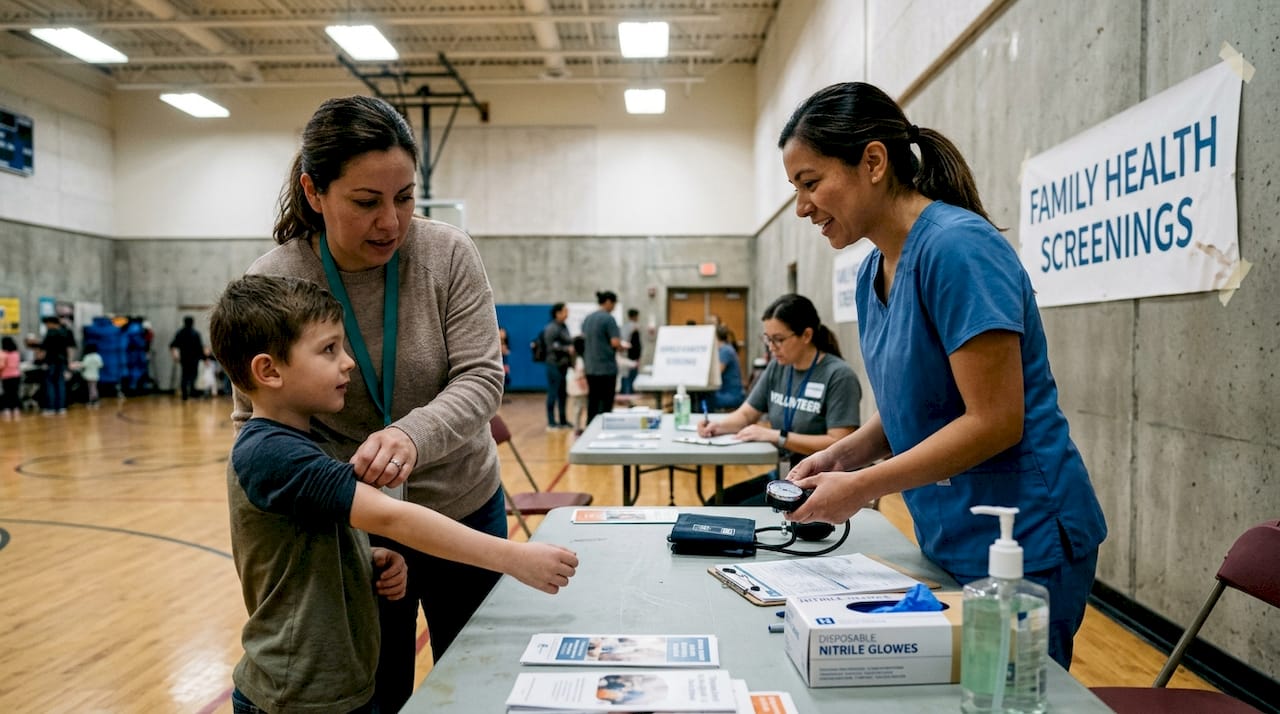
Mobile units bring free screenings and vaccinations to families across the community, including homebound COVID and flu vaccinations in 2026. This means that even residents who cannot easily travel to a clinic can receive essential care at their doorstep. Mobile health units in Hudson County have shown that bringing care into the community significantly increases participation rates, especially among seniors and working families.
You can learn more about local preventive services and schedule care at the Secaucus health office near you.
Here is what families in these communities can typically access through local preventive programs:
- EKG and cardiac screenings for adults at risk for heart disease
- Blood pressure and cholesterol checks available at mobile clinics and community events
- Childhood vaccination schedules aligned with state and federal guidelines
- Cancer screenings through coalition partnerships
- Maternal and child health programs coordinated with regional partners
- Health education workshops on nutrition, physical activity, and disease prevention
Did you know? Early screening programs consistently identify conditions that patients were unaware of, allowing treatment to begin sooner and outcomes to improve significantly across all age groups.
Pro Tip: Check your town’s health department website at the start of each quarter to find upcoming mobile clinic dates. Pairing a mobile screening visit with your child’s vaccination appointment saves time and ensures your whole family is covered in a single outing.
For families looking for additional lifestyle tips for families, local programs also offer ongoing education to support healthy habits at home.
Specialized services and addressing unique community needs
While general programs serve many, some residents need advanced or highly tailored support. Here’s how these programs adapt.
Not every health need fits into a standard program. Some residents face more complex challenges, including co-occurring mental health conditions, substance use disorders, obesity, or barriers related to language, transportation, or income. Local programs in North Bergen and Secaucus have evolved to address these realities directly.
Hackensack Meridian Population Health programs address co-occurring disorders, obesity, and metabolic syndrome using trauma-informed care models. This means providers approach each patient with an understanding of how past experiences affect current health, rather than treating conditions in isolation.
For residents managing obesity, Hudson Regional Hospital offers advanced bariatric care including minimally invasive procedures, integrated with nutrition and behavioral support. Mobile and integrated care models help the underserved access care that would otherwise require multiple separate appointments across different facilities.
“A population health approach doesn’t just treat the individual. It identifies patterns across a community and designs solutions that reach the people who need care most, especially those who haven’t been able to access it before.”
Key specialized services available in the North Bergen and Secaucus area include:
- Trauma-informed addiction treatment through outpatient programs like Integrity House
- Mental health integration within primary care settings for seamless support
- Bariatric and metabolic care for residents managing obesity and related conditions
- Care coordination for complex multi-condition patients through population health teams
- Maternal and child health collaboration supported by regional partners like the Partnership for Maternal and Child Health
You can connect with specialists and care coordinators at the North Bergen health office to find the right pathway for your needs.
Why multidisciplinary, community-driven health models matter now more than ever
After exploring the range of available health programs, let’s step back and examine what makes these coordinated, regional efforts so important today.
Many people still think that seeing their doctor regularly is enough. But when you live with multiple conditions, or when access barriers keep you from consistent care, a single provider relationship often isn’t sufficient. Multidisciplinary, community-collaborative programs in Bergen and Hudson counties represent the leading approach precisely because they fill the spaces between appointments.
The real power of these models is early intervention. When screenings, education, and care coordination happen at the community level, problems are caught before they require expensive hospital care. Coalitions working quietly in North Bergen and Secaucus are already reducing serious risks related to heart disease and diabetes, not through dramatic breakthroughs, but through steady, consistent outreach.
Siloed care, where your cardiologist doesn’t know what your primary care doctor prescribed, leaves real gaps. Coordinated programs close those gaps. Partnering with real-world chronic care solutions means your entire health picture is considered together, not in separate offices that never communicate. That shift in approach is what genuinely improves long-term outcomes.
Connect with expert care programs near you
With a clearer picture of how these programs work, you’re in a great position to connect with resources in your own community.
At Garden State Medical Group, we offer a full range of health programs designed for North Bergen and Secaucus residents, from our health programs in chronic disease management and diabetes prevention to cardiopulmonary and heart care for adults managing serious conditions. Whether you need a preventive screening, ongoing care coordination, or guidance finding the right program, our team is here to help. Find a primary care provider at a location near you and take the first step toward better, more coordinated care for yourself and your family. Contact us today to schedule an appointment or learn which programs fit your needs.
Frequently asked questions
Who can use health programs in North Bergen and Secaucus?
Most residents are eligible, including adults with chronic conditions, seniors, and families seeking preventive care or health education through local programs.
What chronic health issues are most commonly supported?
Programs most frequently address diabetes, heart disease, lung conditions, and related metabolic or obesity concerns, with coordinated community care tailored to each condition.
How do I find out when mobile screenings or vaccination clinics are scheduled?
Check your town’s health department website or local hospital program pages for the latest dates. The Secaucus Health Department posts regular updates on mobile clinic and vaccination events.
Are there programs for mental health or addiction?
Yes, specialized programs offer trauma-informed outpatient care and support services for individuals with mental health or substance use challenges, coordinated through population health teams locally.
What is one proven benefit of these programs?
The Diabetes Prevention Program reduces the risk of developing type 2 diabetes by up to 58 percent overall and by 71 percent for adults over the age of 60.