Healthcare Internships: Where to Apply and How to Get In

If you’re a student aiming to break into healthcare, focus your search on five internship categories: clinical patient-care roles, clinical research, lab/bench work, public health, and healthcare administration or analytics. Each one opens a different door, and most competitive programs want your application 6 to 8 months before the start date.
Two things to do right now:
- Update your resume so every bullet point ties directly to the internship you’re applying for, using the same language the program description uses.
- Check the program pages at academic medical centers and set calendar reminders for deadlines, since most cohorts run on fixed timelines, not rolling review.
Pay varies widely. Some programs, like Mayo Clinic’s Clinical Research Internship Study Program, offer a stipend; others rely on academic credit instead of wages. Most summer cohorts last 8 to 12 weeks.
Key Takeaways
Landing a healthcare internship depends on matching your track to your goals, applying 6 to 8 months early, and clearing compliance requirements the moment you accept an offer.
| Point | Details |
|---|---|
| Pick a track deliberately | Clinical, research, lab, public health, and administrative internships each suit different career goals. |
| Apply early for research programs | Harvard VRIP and Mayo CRISP set fixed deadlines roughly 6 to 8 months before the program starts. |
| Meet GPA thresholds or compensate | Competitive research tracks often require a 3.4 to 3.5 GPA; below that, lead with coursework and project experience. |
| Start health screenings immediately | Background checks, TB tests, and immunization records can take weeks to clear before orientation. |
| Consider local clinic experience | Garden State Medical Group offers observational opportunities that complement hospital and university internships. |
Table of Contents
- Types of Healthcare Internships and Which One Fits You
- Where to Find Healthcare Internships Worth Applying To
- When to Apply: Timelines and Deadlines That Matter
- GPA Requirements and Application Documents You’ll Need
- Paid vs. Unpaid Internships: What to Expect
- How to Build a Competitive Healthcare Internship Application
- Pre-Start Requirements That Can Delay Your Start Date
- What Interns Actually Do and How It Shapes Your Career
- Program Facts That Shape a Smart Application Strategy
- Why Garden State Medical Group Values Trainees in Multidisciplinary Care
- Ask About Local Observational Opportunities Near You
- Sources
- FAQ
Types of Healthcare Internships and Which One Fits You
Healthcare internships split into five broad tracks, and picking the right one starts with being honest about what you actually want to do for a living.
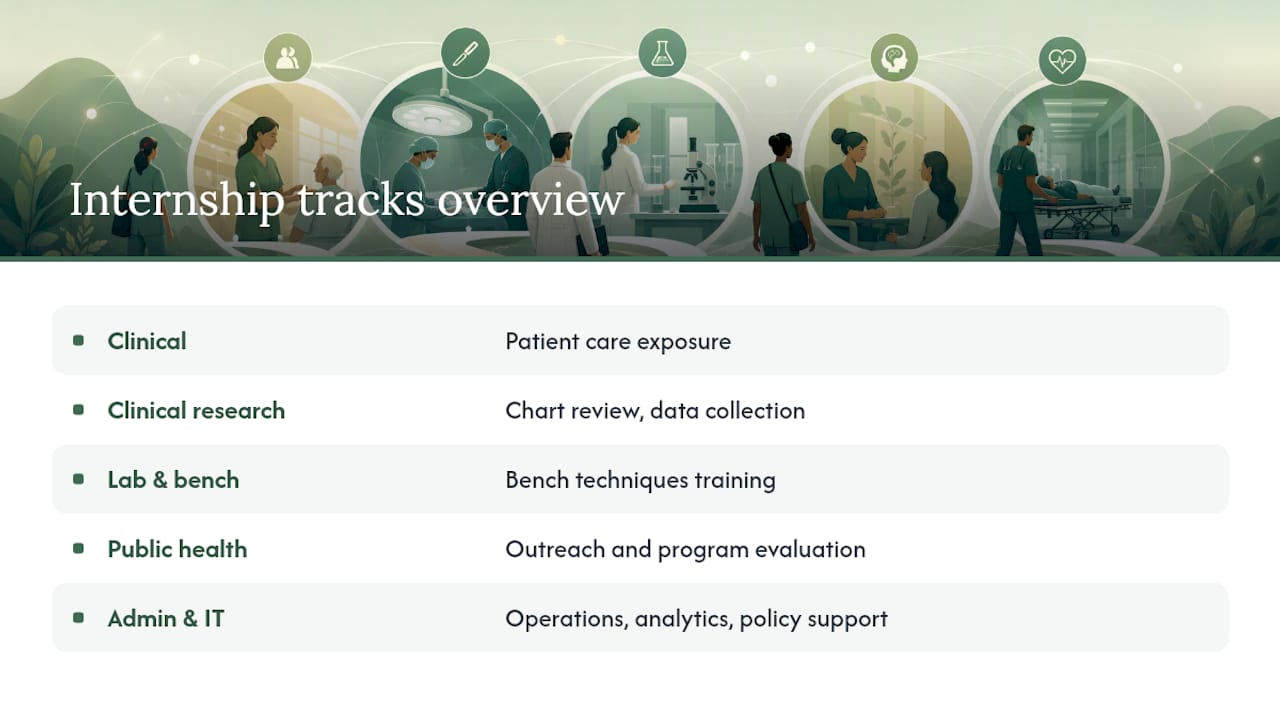
Clinical and patient-support internships put you in exam rooms and on hospital floors, shadowing providers, assisting with patient transport, or supporting basic clinical tasks under supervision. These suit pre-health students who need direct patient exposure for medical, nursing, or PA school applications.
Clinical research internships involve chart review, data collection, and protocol support under a faculty mentor. If you’re weighing a research career or want a stronger med-school application, this track carries more weight than shadowing alone.
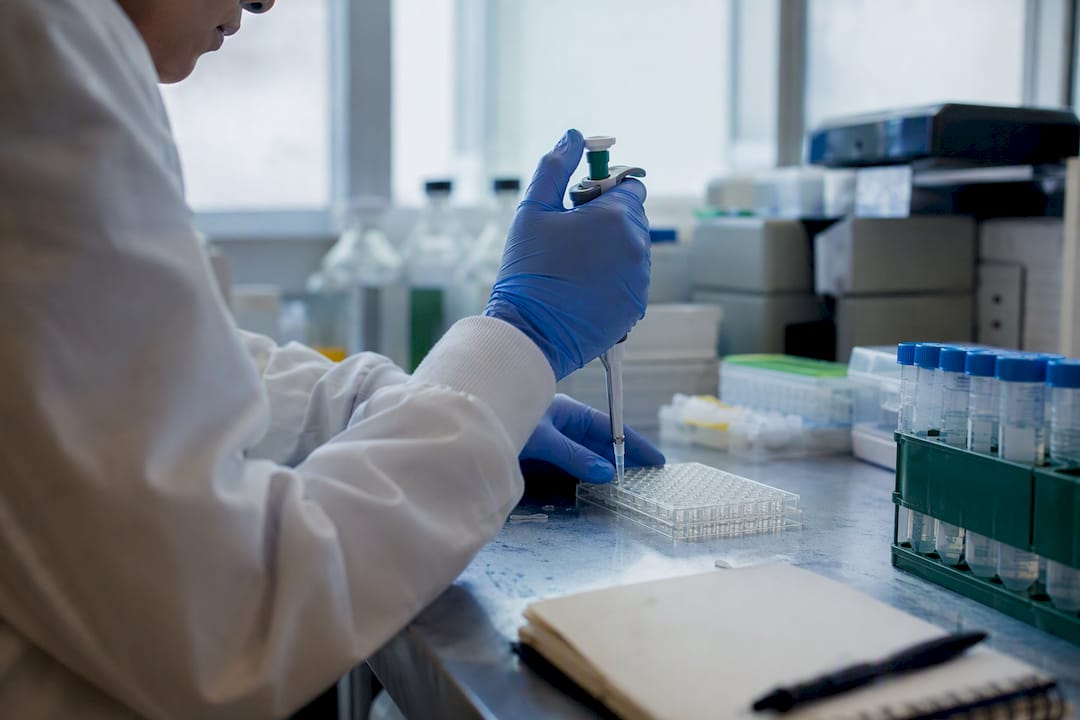
Lab and bench internships train you in specific techniques such as pipetting, cell culture, or assay work, typically under a principal investigator. Biology and biochemistry majors gravitate here because the skills transfer directly to graduate lab work.
Public health and community internships focus on outreach, program evaluation, and community health data. These fit students drawn to population-level problems rather than individual patient care, and they often connect to community healthcare initiatives that address access and prevention at scale.
Administrative, analytics, and IT internships cover healthcare operations, data analysis, and policy support. These roles rarely require clinical coursework, making them accessible to students from business, computer science, or public policy backgrounds.
Pro Tip: Don’t assume the clinical track is the only one that counts toward your career. Analytics and operations internships at large health systems often lead to faster full-time offers because fewer students compete for them.
Where to Find Healthcare Internships Worth Applying To
Not every internship listing deserves your time, and knowing where to look separates students who land funded, mentored positions from those who settle for unpaid busywork.
- Start with academic medical center program pages. Institutions like Mayo Clinic, NYU, and Houston Methodist publish detailed eligibility rules, stipend amounts, and deadlines directly on their sites, which beats guessing from a third-party job board.
- Search corporate internship portals directly. Companies like Johnson & Johnson run structured internship programs across research, supply chain, and data roles, often with clearer pay structures than academic programs.
- Use job aggregators with specific filters. Sites like Indeed and Handshake let you combine “internship” with “healthcare” and save alerts, which catches postings before they disappear from general search results.
- Ask your campus career center and faculty contacts. Many research-lab placements never get posted publicly; a professor’s recommendation is often the actual application.
- Follow program social accounts and set reminders. Elite programs sometimes announce application windows on social media weeks before the formal listing goes live, and a calendar alert set 6 to 8 months out keeps you from missing it.
Reading up on how to evaluate health information sources also helps you separate a legitimate hospital program page from a recruiting site padded with outdated listings.
When to Apply: Timelines and Deadlines That Matter
Summer healthcare internships commonly run from May through July, but the application window for those slots typically opens the previous fall or early winter, not the spring before.
Elite research programs move even earlier. Harvard’s Visiting Research Internship Program and Mayo’s CRISP both use fixed deadlines set roughly 6 to 8 months before the program starts, which means you’re often applying in the fall for the following summer. Miss that window and you wait a full year.
Some programs, particularly smaller hospital-based ones, accept applications on a rolling basis. Submit early anyway. Rolling review usually means spots fill as strong applications arrive, not that late submissions get equal consideration.
Build a simple timeline for each program you’re targeting:
- Transcript request date (allow 2 to 3 weeks for processing)
- Letter of recommendation request (at least 8 weeks before the deadline)
- Essay or statement of purpose draft date (2 weeks before submission, for revision time)
- Final submission date, marked at least 3 days before the actual deadline
GPA Requirements and Application Documents You’ll Need
Eligibility rules trip up more applicants than a weak resume does, so check them before you invest hours in an application.
Most programs require current enrollment or recent-graduate status, and “recent” often means within 12 to 13 months of graduation. Some federally funded or hospital-affiliated programs also require U.S. citizenship, permanent residency, or a specific visa category, so confirm this before applying if you’re an international student.
A 3.4 GPA is generally considered strong for most internship applications, but the most competitive research tracks often set a 3.5 minimum. If your GPA falls below that line, don’t skip the application. Lead your resume with relevant coursework, research experience, or clinical volunteering instead of burying it below your GPA.
Standard application documents include:
- Resume or CV tailored to the specific program
- Official or unofficial transcripts
- Statement of purpose explaining your interest and fit
- Two to three letters of recommendation
- A writing sample, for some research-heavy programs
Map three to five bullet points from your coursework or past projects directly to the internship’s stated goals. Generic resumes get filtered out before a human ever reads them.
Paid vs. Unpaid Internships: What to Expect
Compensation for healthcare internships ranges from nothing to a few thousand dollars for a summer, and the number alone doesn’t tell you whether an offer is worth taking.
Mayo Clinic’s CRISP pays a $3,000 stipend for a 10-week commitment, with a minimum 20 hours per week required. Kaiser Permanente’s KP LAUNCH programs use hourly pay models instead of flat stipends. Corporate internships at companies like Johnson & Johnson vary by role and location, but generally pay competitive hourly or salaried rates for the summer.
Unpaid internships still show up, especially at smaller clinics or nonprofit health organizations. Academic credit sometimes offsets the lack of pay, but check your school’s policy first. Not every unpaid placement qualifies for credit, and some schools require a formal learning agreement before you start.
Duration norms cluster around 7 to 12 weeks for summer cohorts, with research-focused programs like Houston Methodist’s SURI running closer to 10 weeks. When comparing offers, weigh mentorship quality and networking access alongside the stipend. A modest paycheck attached to a strong faculty mentor and a symposium presentation often beats a slightly higher hourly rate with no structured guidance.
How to Build a Competitive Healthcare Internship Application
A strong application isn’t longer, it’s more specific. Here’s how to make yours stand out from a stack of generic submissions.
- Tailor your resume to mirror the program’s own language. If the posting mentions epidemiology, statistics, or research methods, and you’ve taken those courses, name them explicitly rather than listing a generic “coursework” line.
- Write a statement of purpose that names a specific mentor or focus area. Vague interest in “helping people” reads as filler. Naming a research question or practice area you want to explore shows you actually read the program description.
- Choose references who know your work, not just your name. A professor who supervised a project speaks with more detail than a professor who only taught you in a large lecture. Brief your references with your resume and a short summary of the role.
- Prepare for interview questions about specific projects and confidentiality. Interviewers commonly ask how you’d handle a scenario involving patient privacy or an ethical gray area, so think through a real answer before you’re asked.
- Map two to three resume bullets to each program’s stated goals. Applying to ten programs with the same generic resume is a common and avoidable mistake; tailoring even slightly raises your odds significantly.
Pro Tip: Ask a recent intern or program alum what their actual week looked like. Program descriptions tend to oversell the research and undersell the administrative tasks, and knowing the difference helps you write a more honest, more convincing statement of purpose.
Pre-Start Requirements That Can Delay Your Start Date
Getting accepted is only half the process. Most structured healthcare internships require compliance steps that take weeks to clear, and starting them late is one of the most common ways students lose their spot.
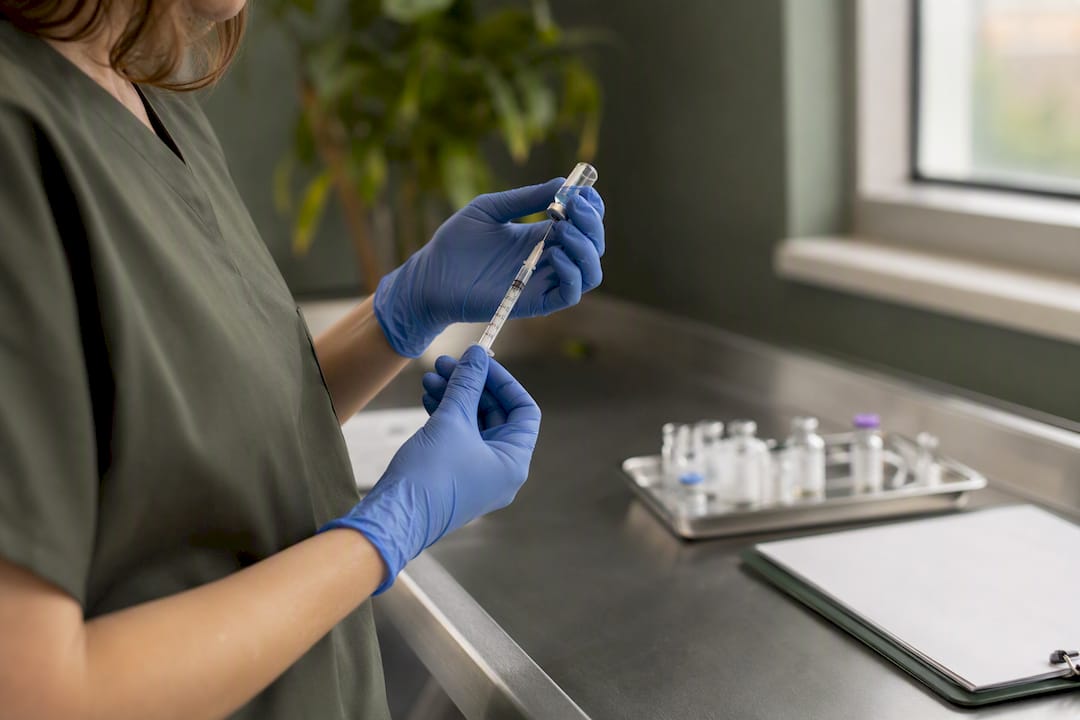
Expect to complete a criminal background check, a drug screen, TB testing, and proof of immunizations including MMR and varicella. Some programs also require COVID-19 vaccination documentation or a formal exemption. Begin these steps the day you accept an offer, not the week before orientation, since lab results and immunization records can take several weeks to process.
International students should confirm visa and employment authorization rules with the program coordinator early, since requirements vary by institution and funding source. If you hit a barrier, whether medical, financial, or logistical, contact the program coordinator or your school’s disability and health services office before the deadline, not after.
What Interns Actually Do and How It Shapes Your Career
Daily tasks vary by track, but most interns produce something concrete by the end of the program: a data analysis, a poster presentation, a quality-improvement proposal, or patient-education materials.
Faculty mentors typically guide that final deliverable, and a strong mentor relationship can lead to a publication credit, a symposium presentation, or a standing invitation to continue the research the following semester. Houston Methodist’s SURI, for example, culminates in a symposium where interns present posters to faculty and peers.
That kind of deliverable does more for your career than the internship title alone. It gives you something specific to discuss in a med-school interview, a job application, or a graduate-school personal statement.
- Keep a running project log noting tasks, tools, and outcomes.
- Ask your mentor for a written feedback letter before the program ends.
- Draft a one-page summary of your project for future applications.
- Request contact information for a reference before you lose touch.
| Point | Details |
|---|---|
| Choose a track early | Match your background to clinical, research, lab, public health, or administrative roles before applying. |
| Apply 6 to 8 months ahead | Elite research programs use fixed fall deadlines for the following summer. |
| Start compliance immediately | Background checks and immunization records can take weeks to process after acceptance. |
Program Facts That Shape a Smart Application Strategy
Concrete numbers from established programs give you a realistic benchmark instead of guesswork.
- Mayo CRISP: 10 weeks, $3,000 stipend, minimum 20 hours per week, GPA of 3.5 or higher, IRB-reviewed projects.
- Harvard VRIP: 8 weeks, paid, includes travel and housing compensation, structured application materials with fixed deadlines.
- KP LAUNCH and Houston Methodist SURI: paid summer cohorts with age or enrollment eligibility rules and full-time schedules through the summer.
Programs built around mentorship and a final deliverable, whether a poster session or a completed data set, tend to produce interns who go on to publish, present, or land a reference that actually moves their application forward.
The rule of thumb across these programs: expect an 8 to 10 week commitment, plan your application 6 to 8 months out, and assume a 3.4 to 3.5 GPA threshold if you’re targeting the most competitive research tracks. Students exploring the bioscience research side of this world can also find useful context on the MayFlower blog, which covers clinical research career paths in more depth.
Why Garden State Medical Group Values Trainees in Multidisciplinary Care
We’ve mentored students and early-career trainees across our primary care, cardiopulmonary, and chronic disease programs, and the pattern holds every time: the interns who add the most value are the ones who ask sharp questions during rounds, not the ones who stay quiet to avoid mistakes.
If you’re preparing an application, we’d tell you to emphasize communication skills over technical jargon. Every reviewer already assumes you can learn a procedure; fewer applicants can demonstrate they know how to talk with a nervous patient or explain a diagnosis in plain language. Basic HIPAA awareness matters too, since even observational roles require you to understand what you can and can’t discuss outside the clinic.
Team-based learning environments, where you rotate between providers and specialties, tend to teach more in a short window than a single-mentor placement. If that structure interests you, it’s worth asking any program directly how much cross-team exposure their schedule actually includes.
Ask About Local Observational Opportunities Near You
Hospital-based programs like CRISP and VRIP are excellent, but they’re also competitive, geographically limited, and often full a year in advance. Garden State Medical Group offers a more accessible complement: local observational experiences and short-term clinical projects across our multidisciplinary practice in North Bergen and Secaucus.
Students interested in primary care, cardiopulmonary services, or chronic disease management can gain direct exposure to how a working practice coordinates care across specialties, something a single-department hospital rotation rarely shows you. Our primary care team and broader program offerings reflect the kind of team-based environment we described above.
If you’d like to inquire, send a resume, a short note on your area of interest (primary care, cardiopulmonary, radiology, or chronic disease programs), and your general availability. We review inquiries on a rolling basis and will point you toward the specialty area that fits best. Reach out through our programs page to start that conversation.
Sources
- Clinical Research Internship Study Program - Non-Clinical Education - Mayo Clinic College of Medicine & Science
- Visiting Research Internship Program (VRIP) — Harvard OCCE
- High School Program – KP LAUNCH
- Summer Undergraduate Research Internship | Houston Methodist
- Internships at J&J | Johnson & Johnson Careers
FAQ
What do you do in a healthcare internship?
Tasks depend on the track: clinical interns shadow providers and support patient care, research interns collect data and assist with protocols, and administrative interns work on operations or analytics projects that often end in a presentation or report.
Is a 3.4 GPA good for internships?
A 3.4 GPA is generally considered strong for most healthcare internships, though the most competitive research programs often set a 3.5 minimum.
What are the big 4 internships in healthcare?
There’s no single standard “big four” in healthcare the way accounting has its Big Four firms, but Mayo Clinic’s CRISP, Harvard’s VRIP, Houston Methodist’s SURI, and Johnson & Johnson’s corporate internships stand out as widely recognized, competitive programs worth targeting.
Is 22 too old for a healthcare internship?
No. Most healthcare internships target current undergraduates and recent graduates, and many programs specifically welcome applicants within 12 to 13 months of graduation, which covers the typical recent graduate comfortably.