
Healthy Aging Tips That Actually Make a Difference

TL;DR:
- Maintaining regular movement, balanced nutrition, and consistent sleep are key habits for healthy aging. Social engagement, preventive care, and home safety also play crucial roles in prolonging quality years. Starting small and building habits over time can lead to meaningful health improvements at any age.
The eight habits most strongly linked to aging well are: getting 150 minutes of moderate aerobic activity per week plus strength work twice weekly, prioritizing protein at every meal, following a Mediterranean or MIND-style eating pattern, sleeping on a consistent schedule, managing stress with movement and social time, maintaining recurring social routines, keeping up with preventive care and medication reviews, and removing fall hazards at home. According to Harvard Health’s five pillars of longevity, these five domains — movement, nutrition, sleep, stress reduction, and social connection — account for the most measurable gains in healthy years. The CDC confirms it is never too late to start; even modest changes improve health metrics at any age.
TL;DR for your next clinician visit: Move 150 min/week, eat protein at every meal, sleep on a schedule, schedule weekly social time, and ask your doctor about screenings and medication reviews.
Day 1 action: Add a 10-minute walk after dinner and include a protein source (eggs, Greek yogurt, or chicken) at breakfast. Week 1 action: Set a fixed wake time and text one friend or family member to schedule a standing weekly call.
Table of Contents
- What are the best ways to stay active as you age?
- How should older adults eat to support long-term health?
- Does sleep consistency matter more than sleep duration?
- How does social connection protect your brain as you age?
- What preventive care should you prioritize as you get older?
- How can you prevent falls and stay mobile at home?
- What should you know about tobacco, alcohol, and medication safety?
- How do you build healthy aging habits that actually stick?
- Key Takeaways
- What primary care clinicians see most often
- Gardenstatemedicalgroup supports your healthy aging plan
- Authoritative sources and further reading
- FAQ
What are the best ways to stay active as you age?
Aim for roughly 150 minutes of moderate aerobic activity per week, plus muscle-strengthening exercises on at least two days. That is the U.S. Department of Health and Human Services standard, and it holds up across decades of research. Breaking up long periods of sitting with just 2–3 minutes of light movement also measurably improves glucose and blood pressure responses, so everyday movement counts even when it does not feel like “exercise.”
Each type of activity serves a different purpose for older adults, and a balanced weekly plan covers all four:
| Activity type | Why it matters | Weekly target | Simple examples | How to scale |
|---|---|---|---|---|
| Aerobic | Supports heart, lungs, and metabolic health | 150 min moderate | Brisk walking, cycling, water aerobics | Add 5 min/week until target is met |
| Strength | Preserves muscle mass and bone density | 2 sessions | Chair squats, resistance bands, light weights | Increase resistance gradually |
| Balance | Reduces fall risk and improves coordination | 3–5 days | Tai chi, single-leg stands, heel-to-toe walking | Progress to eyes-closed or uneven surface |
| Flexibility | Maintains range of motion and reduces injury | Daily or most days | Gentle yoga, seated stretches | Hold stretches longer over time |
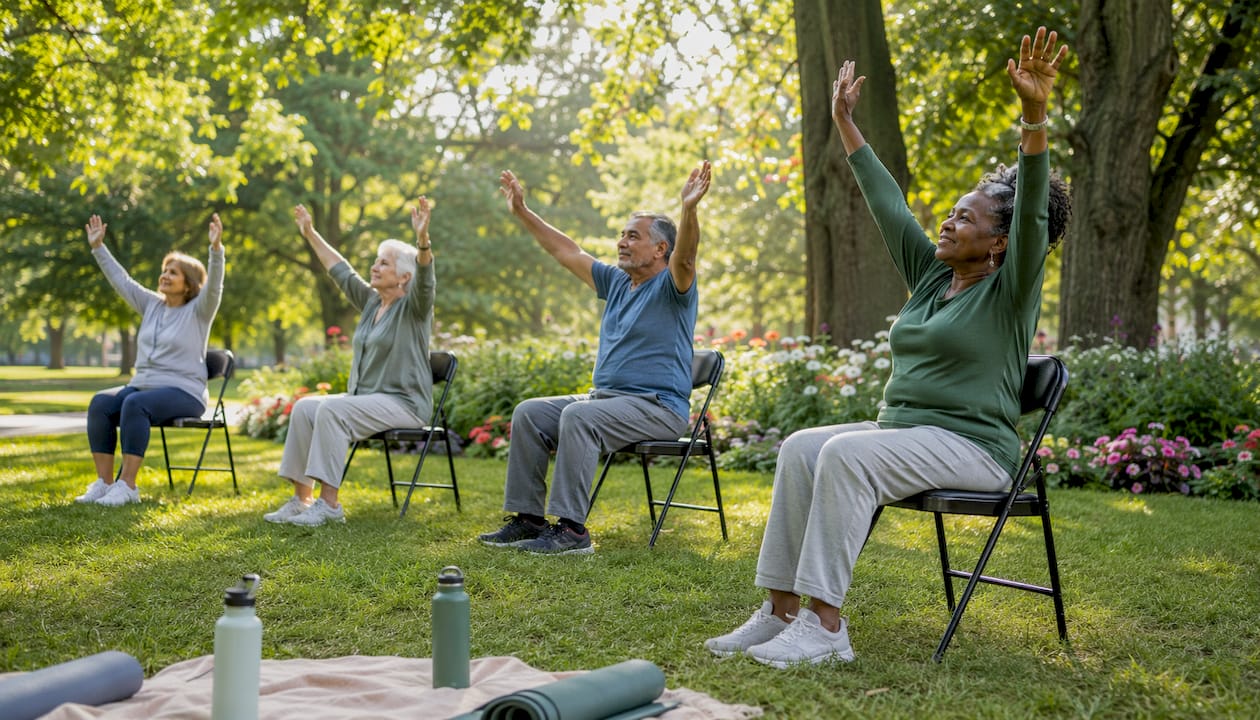
Low-barrier entry points matter. A 20-minute walk, a chair-based yoga class at a local senior center, or a resistance band routine at home all qualify. The goal is consistency, not intensity.
Pro Tip: Use the Rate of Perceived Exertion (RPE) scale to gauge effort: moderate intensity means you can talk but not sing. Tracking daily step counts with a basic pedometer or smartphone app gives you a concrete number to build on week by week.
How should older adults eat to support long-term health?
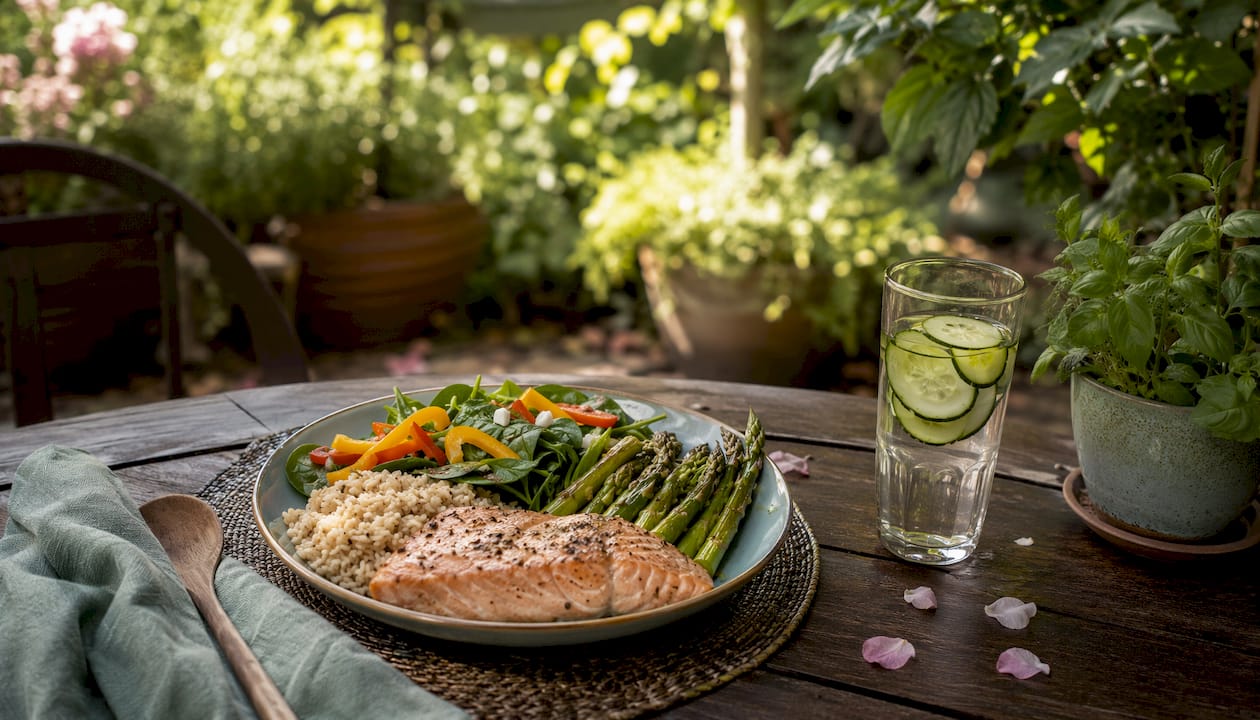
The direct recommendation from Stanford Medicine clinicians is to favor Mediterranean and MIND-style patterns: plant-forward, whole foods, healthy fats, and limited ultra-processed foods and refined carbohydrates. These patterns are associated with lower risk of cognitive decline, heart disease, and diabetes. No single food is the answer; the overall pattern is what moves the needle.
Protein needs rise with age. Healthy older adults should target increased protein intake to maintain muscle mass. A practical way to hit that range is to aim for 20–30 grams of protein per meal: three to four ounces of chicken breast, a cup of Greek yogurt, or three eggs each get you there. Spreading protein across three meals also supports muscle synthesis better than loading it into one sitting.
Simple swaps make the pattern easier to sustain:
- Swap chips or crackers for Greek yogurt with berries (adds protein and fiber, cuts refined carbs)
- Replace white rice with brown rice or farro for more fiber and B vitamins
- Use olive oil instead of butter for cooking to shift toward unsaturated fats
- Choose canned salmon or sardines as a quick omega-3 source
- Drink water or unsweetened tea instead of sugar-sweetened beverages
Key nutrients to prioritize for bone, heart, and brain health:
- Calcium and vitamin D: low-fat dairy, fortified plant milks, leafy greens; discuss supplementation with your clinician
- Fiber: whole grains, beans, vegetables, and fruit; supports gut health and blood sugar control
- Omega-3 fatty acids: fatty fish twice weekly, walnuts, flaxseed
- B vitamins (B6, B12, folate): lean meats, eggs, legumes; absorption of B12 often decreases with age
Hydration deserves its own mention. Thirst sensation diminishes with age, so drinking fluids throughout the day rather than waiting to feel thirsty helps prevent dehydration, which affects cognition, energy, and kidney function. The NIDDK recommends keeping sodium intake below 2,300 mg per day, which means reading labels on packaged foods and limiting fast food.
Pro Tip: Anchor each meal with protein, fat, and fiber before adding carbohydrates. This sequence slows glucose absorption and reduces post-meal energy crashes, which become more noticeable after 60.
Does sleep consistency matter more than sleep duration?
Yes, and the evidence is clear. Harvard Health research shows that consistency in sleep timing regulates hormones affecting appetite and stress more effectively than minor differences in total hours. Aim for 7–8 hours nightly, but prioritize a fixed wake time above all else, even on weekends.
A practical sleep checklist:
- Set a consistent wake time and keep it within 30 minutes every day
- Avoid naps longer than 20 minutes after 3 PM
- Dim screens and overhead lights 60 minutes before bed
- Keep the bedroom cool and dark; consider a healthier sleep environment to reduce disruptions
- Get natural light exposure within an hour of waking to anchor your circadian rhythm
Stress management overlaps directly with sleep quality. Movement, time outdoors, and regular social contact all reduce cortisol levels. Journaling, gentle yoga, and diaphragmatic breathing are clinically effective and require no equipment.
Seek clinician support if insomnia persists for more than two to three weeks, if anxiety feels unmanageable, or if you notice persistent low mood, loss of interest, or changes in appetite. These are signs worth discussing with a primary care provider, not symptoms to wait out.
Pro Tip: Treat your sleep schedule the way you treat a medication schedule: same time, every day, non-negotiable. That single habit often improves mood and energy within two weeks.
How does social connection protect your brain as you age?
Stanford Medicine research is specific on this point: consistent, recurring social engagements protect cognitive health and memory more than isolated mental puzzles. A standing weekly call matters more than an occasional crossword. The mechanism involves reduced chronic stress, maintained language and reasoning use, and sustained motivation to stay active.
Practical, repeatable options that combine social and cognitive benefits:
- Weekly video or phone calls with family or friends (schedule them like appointments)
- Volunteer shifts at a local organization (regular commitment beats one-time events)
- Group exercise classes such as tai chi, water aerobics, or walking clubs
- Community education classes or library programs that require learning something new
- Complex conversations on topics you care about — these engage more cognitive networks than passive entertainment
Cognitive activities work best when they are genuinely challenging. Learning a new skill (a language, an instrument, a craft) builds more neural reserve than repeating tasks you have already mastered.
Pro Tip: Schedule social time on your calendar the same way you schedule a doctor’s appointment. Clinicians at Harvard Health recommend tracking social engagement alongside blood pressure and sleep as a health metric, not a leisure activity.
What preventive care should you prioritize as you get older?
Keep regular primary care visits, follow age-appropriate screening and vaccine schedules, and request a medication reconciliation at least once a year. The National Institute on Aging confirms that regular check-ups and personalized screening schedules help catch chronic diseases early and that vision and hearing tests meaningfully affect quality of life and fall risk.
Common screenings and approximate cadence to discuss with your clinician:
| Screening | Typical cadence | Why it matters |
|---|---|---|
| Blood pressure | Every visit or annually | Hypertension is often asymptomatic |
| Cholesterol (lipid panel) | Every 4–6 years; more often if elevated | Guides cardiovascular risk management |
| Diabetes (fasting glucose or A1C) | Every 3 years starting at 45 | Early detection allows lifestyle intervention |
| Colorectal cancer | Starting at 45; frequency varies by method | Highly treatable when caught early |
| Vision and hearing | Every 1–2 years | Affects fall risk, cognition, and independence |
| Bone density (DEXA) | Discuss at 65 for women; earlier if risk factors present | Guides osteoporosis prevention |
Vaccine reminders to review with your clinician:
- Influenza vaccine annually
- Updated COVID-19 vaccine as recommended
- Shingles vaccine (Shingrix) for adults 50 and older, two-dose series
- Pneumococcal vaccine when eligible based on age and health status
Medication safety is equally important. Bring every prescription, over-the-counter medication, and supplement to each visit. Ask your clinician or pharmacist to check for interactions, and request a formal medication reconciliation if you take five or more medications. Many adverse drug events in older adults stem from combinations that were never reviewed together.
A simple home-monitoring habit: check your blood pressure at the same time each morning before taking medications and log the reading. Bring that log to your next appointment. For readers managing chronic conditions, this kind of tracking gives your care team the data they need to adjust treatment proactively. You can also explore preventive care benefits and how routine visits reduce long-term health costs.
How can you prevent falls and stay mobile at home?
Balance work, lower-body strength training, and a home-safety audit together produce the biggest short-term reduction in fall risk. A practical self-screen: if you can stand on one leg for 10 seconds, your balance is in a reasonable range. If that is difficult, it is a clear signal to prioritize balance training.
Simple exercises to do at home three to five days per week:
- Single-leg stands: hold for 10 seconds each side, use a chair for support initially
- Heel-to-toe walking: walk in a straight line placing heel directly in front of toes
- Chair rises: stand from a seated position without using your hands, repeat 10 times
- Calf raises: stand behind a chair, rise onto toes slowly, lower back down
Home-safety checklist:
- Remove loose rugs or secure them with non-slip backing
- Add grab bars in the bathroom near the toilet and in the shower
- Improve lighting in hallways, staircases, and the bedroom
- Keep frequently used items at waist height to avoid reaching or bending
- Wear supportive, non-slip footwear indoors
If you have had a fall in the past year, experience dizziness, or feel unsteady on stairs, ask your primary care provider for a referral to physical therapy or a structured fall-prevention program. Many communities also offer free fall-risk assessments through senior centers.
Pro Tip: Do balance exercises near a counter or sturdy chair, not in an open space. Removing the fear of falling during practice makes people more consistent, and consistency is what builds the neural pathways that improve real-world stability.
What should you know about tobacco, alcohol, and medication safety?
Stop tobacco use. The National Institute on Aging confirms that even late-life smoking cessation improves health outcomes, reducing risk of heart disease, stroke, and lung disease at any age. If you have tried to quit before, ask your clinician about combining behavioral support with pharmacologic options such as varenicline or nicotine replacement therapy. The combination is significantly more effective than either approach alone.
Alcohol warrants a direct conversation with your clinician. Tolerance decreases with age, alcohol interacts with many common medications, and even moderate use affects sleep quality and fall risk. There is no universally “safe” threshold for older adults; discuss your specific situation rather than relying on general population guidelines.
Medication safety ties directly into both. Older adults metabolize drugs differently, and many common combinations — including some over-the-counter antihistamines, sleep aids, and pain relievers — carry higher risks after 60. The American Geriatrics Society’s Beers Criteria identifies medications that are potentially inappropriate for older adults; ask your pharmacist or clinician whether any of your current medications appear on that list.
Statistic to bring to your appointment: If you take five or more medications, the risk of an adverse drug interaction increases substantially. A formal medication reconciliation visit is one of the highest-yield preventive steps available.
How do you build healthy aging habits that actually stick?
Start with one small, repeatable change rather than overhauling everything at once. A 10-minute daily walk and a protein-rich breakfast are enough for week one. The CDC notes that durable lifestyle changes measurably improve health metrics at any age, so the starting point matters far less than the consistency.
A 30-day starter plan:
- Week 1: Add a 10-minute walk after one meal daily. Add protein to breakfast (eggs, Greek yogurt, or cottage cheese). Set a fixed wake time.
- Week 2: Extend the walk to 20 minutes. Schedule one recurring social contact (weekly call or in-person meetup). Add one vegetable serving to lunch or dinner.
- Week 3: Add two strength sessions (chair squats, resistance bands). Replace one processed snack with whole food. Begin a simple sleep routine (dim lights 45 minutes before bed).
- Week 4: Add one balance exercise to your daily routine. Book a preventive care appointment if overdue. Review your medication list and bring it to the visit.
Habit-stacking works well here: attach a new behavior to an existing one. Walk after your morning coffee. Do calf raises while brushing your teeth. Call a friend during your regular afternoon break. Implementation intentions (“I will do X at Y time in Z place”) are more effective than vague goals. Track progress with a simple paper log or a free app like Apple Health or Google Fit, and measure consistency rather than perfection. Missing one day is not failure; missing two weeks in a row is a signal to simplify the habit further. For a structured elderly wellness guide, Gardenstatemedicalgroup offers additional clinician-reviewed resources.
Key Takeaways
Consistent movement, adequate protein, sleep regularity, social scheduling, and annual preventive care are the five highest-yield actions for aging well.
| Point | Details |
|---|---|
| Weekly movement target | Aim for 150 min of moderate aerobic activity plus strength work twice weekly. |
| Protein for muscle health | Target adequate protein intake each day to support muscle health. |
| Sleep consistency | A fixed wake time regulates hormones more effectively than focusing on total hours alone. |
| Social scheduling | Recurring weekly social contact protects memory more than isolated cognitive puzzles. |
| Gardenstatemedicalgroup support | Book a preventive visit for screenings, medication review, and personalized care coordination. |
Questions to bring to your next appointment:
- Which screenings are overdue for my age and health history?
- Can you review all my medications and supplements for interactions?
- Am I up to date on shingles, pneumococcal, and influenza vaccines?
- Would I benefit from a referral to physical therapy or a nutrition counselor?
What primary care clinicians see most often
Most of the patients who come in asking about aging well have already done the reading. They know about Mediterranean diets and step counts. What they are missing is a plan that fits their actual life, and a clinician who will look at the whole picture rather than one symptom at a time. The habits in this checklist are not complicated, but they interact. Poor sleep worsens stress, which disrupts eating, which reduces energy for movement. That is why a single preventive visit that reviews sleep, medications, activity, and nutrition together produces more change than addressing each in isolation.
Bring this checklist to your next visit at Gardenstatemedicalgroup. The primary care team can align your screening schedule, review your medications, and connect you with the right programs.
Gardenstatemedicalgroup supports your healthy aging plan
Gardenstatemedicalgroup offers something most general health articles cannot: a care team that reviews your full picture in one place. Primary care, cardiopulmonary services, on-site radiology and diagnostic testing, and structured chronic care management programs for diabetes, heart disease, bone health, and weight management are all available at the North Bergen and Secaucus, New Jersey locations.
If you are ready to turn this checklist into a personalized plan, the most direct next step is a primary care visit at Gardenstatemedicalgroup. You can request a preventive appointment, a medication reconciliation, or enrollment in a chronic care management program. Medicare and Medicaid are accepted, and telemedicine visits are available for those who prefer remote care. Contact Gardenstatemedicalgroup directly through the website to schedule.
Authoritative sources and further reading
- National Institute on Aging (NIA/NIH): Comprehensive overview of what research shows about healthy aging, screenings, and lifestyle factors.
- NIA Healthy Aging Tips Infographic: Quick-reference visual guide to daily habits from the NIH.
- MedlinePlus: Healthy Aging: Government-curated resource covering nutrition, activity, fall prevention, and mental health for older adults.
- NIDDK: Health Tips for Older Adults: Practical eating and activity guidance from the National Institute of Diabetes and Digestive and Kidney Diseases.
- Stanford Medicine: Healthy Habits for Aging in Your 60s and 70s: Clinician-sourced guidance on the five habits most linked to successful aging, including protein targets and social connection evidence.
- Harvard Health: The 5 Pillars of Longevity: Research-backed framework covering movement, nutrition, sleep, stress, and social connection.
- Harvard Health: Pathways to Longevity: In-depth science on diet, activity, and lifestyle factors that extend healthy years.
- CDC: Healthy Aging: Public health perspective on aging well, including chronic disease prevention and community resources.
FAQ
What is the healthiest way to age?
The most evidence-supported approach combines regular physical activity, a plant-forward diet with adequate protein, consistent sleep, recurring social engagement, and annual preventive care visits. No single habit works in isolation; the combination is what produces lasting results.
What are the five pillars of healthy aging?
Harvard Health identifies movement, nutrition, sleep, stress reduction, and social connection as the five lifestyle pillars most consistently linked to longevity and quality of life.
What promotes healthy aging most effectively?
Consistent habits over time promote healthy aging more than any single intervention. Aiming for 150 minutes of moderate activity per week, prioritizing protein at each meal, and maintaining a fixed sleep schedule are among the highest-yield starting points supported by NIH and Stanford Medicine research.
Is it too late to start healthy aging habits after 60?
No. The CDC confirms that adopting durable lifestyle changes measurably improves health metrics at any age. Even beginning strength training or improving sleep consistency in your 60s or 70s produces meaningful gains in muscle mass, cognitive function, and fall risk reduction.