
2 lb Overnight, 5 lb/Week: Heart Failure Signs NJ Caregivers Must Know
The clearest heart failure signs are shortness of breath (especially when lying flat), sudden swelling or rapid weight gain, a persistent cough that may bring up pink, frothy mucus, extreme fatigue, and palpitations. If you notice these, call your clinician for evaluation. Call 911 immediately for chest pain, fainting, severe breathlessness, or pink frothy sputum.
TL;DR:
- Sudden weight gain within a week or more than 2 pounds overnight signals fluid retention that requires prompt medical attention.
- Chest pain, severe shortness of breath, fainting, or pink frothy sputum demand immediate 911 emergency response.
- Persistent fatigue, appetite loss, and confusion can be early signs of reduced organ perfusion, often overlooked or attributed to aging.
- Breathlessness that worsens when lying flat or waking with severe shortness of breath indicate fluid buildup and necessitate timely evaluation.
- Regular daily weight monitoring and symptom logging help detect early changes, guiding timely intervention before emergency situations arise.
Table of Contents
- What Causes These Heart Failure Signs?
- Shortness of Breath and Cough: The Respiratory Warning Signs
- Swelling, Bloating, and the Weight Gain That Matters
- Fatigue, Appetite Loss, and Confusion: The Signs People Dismiss
- Palpitations and Chest Discomfort: When the Heartbeat Itself Is the Clue
- Why Heart Failure Looks Different in Older Adults
- How to Track Symptoms at Home Before They Become an Emergency
- Emergency Red Flags That Require Calling 911
- What Happens at Your Medical Evaluation
- How Garden State Medical Group Approaches Early Heart Failure Signs
- Scheduling an Evaluation for Heart Failure Signs
- Sources
- FAQ
What Causes These Heart Failure Signs?
Heart failure means the heart muscle can’t pump blood as well as it should, not that the heart has stopped working. When the pump falls behind, blood backs up somewhere and the body’s tissues get shortchanged elsewhere. That single mechanical problem explains almost every symptom on the checklist.
Where the backup happens depends on which side of the heart is struggling. Left-sided failure pushes fluid back into the lungs, which is why breathlessness and cough dominate that picture. Right-sided failure pushes fluid into the legs, abdomen, and neck veins, producing the swelling and bloating patients notice first, according to the NHLBI. Many people eventually have some combination of both.
Reduced pumping power also means organs downstream, including the brain and muscles, get less oxygen-rich blood delivered on time. That shortfall is behind the fatigue, foggy thinking, and reduced stamina that so often get dismissed as “just getting older.”
- Lung backup causes breathlessness, orthopnea, and cough.
- Peripheral backup causes leg, ankle, and abdominal swelling.
- Reduced organ perfusion causes fatigue, confusion, and appetite loss.
Shortness of Breath and Cough: The Respiratory Warning Signs
Breathlessness usually shows up first during activity, like climbing stairs you used to manage without thinking twice. As heart failure progresses, that same breathlessness can appear during light tasks, or even at rest.
Orthopnea is the medical term for breathlessness that gets worse lying flat. A practical clue caregivers can spot immediately: someone who suddenly needs two or three pillows to sleep comfortably, when one used to be enough, may be dealing with fluid building up in the lungs. Asking directly, “Do you need extra pillows to breathe at night?” is a simple screening question that often uncovers fluid buildup patients never mentioned on their own, according to the American Heart Association.

Paroxysmal nocturnal dyspnea is a related but more dramatic version: waking up gasping for air an hour or two after falling asleep, often needing to sit upright or stand by a window before the breathlessness eases.
One sign always demands a 911 call: a cough that produces pink, frothy sputum. That combination points to fluid flooding the lungs acutely, a condition that can turn dangerous within hours, per the Mayo Clinic.
Shortness of breath after COVID, anxiety, obesity, and standalone lung disease can all mimic these patterns, so breathlessness alone doesn’t confirm heart failure, highlighting the importance of a free respiratory evaluation to clarify the cause. That’s exactly why a clinical evaluation, not a guess, is the right next move.
Pro Tip: If breathlessness after COVID hasn’t improved after several weeks, don’t assume it’s just lingering viral fatigue. Mention it to your clinician so heart-related causes can be ruled out alongside lung-related ones.
Swelling, Bloating, and the Weight Gain That Matters
Fluid retention shows up in predictable places: ankles, feet, and lower legs first, moving up toward the abdomen and, in more advanced cases, bulging neck veins. Right-sided heart failure is usually behind this pattern, and abdominal bloating from fluid around the liver and intestines often gets mistaken for digestive trouble.
Weight is the most useful early warning number you have, because fluid weight climbs faster than fat or muscle ever could.
- Gaining a small amount of weight overnight is worth a phone call to your clinic within a day or two.
- A larger weight gain within a week is a firmer signal that fluid is accumulating and your care team should know, a threshold flagged directly by Mayo Clinic.
- Checking for pitting edema means pressing a finger into the swollen skin for a few seconds; if an indentation lingers after you let go, that’s fluid, not just puffiness.
Swelling that’s new, spreading, or paired with weight gain is different from the mild ankle puffiness anyone gets after a long flight. Context and speed of change matter more than the swelling itself.
Fatigue, Appetite Loss, and Confusion: The Signs People Dismiss
Persistent tiredness is often the earliest heart failure sign, and it’s also the easiest one to explain away. Struggling with tasks that used to be routine, walking to the mailbox, carrying groceries, climbing one flight of stairs, deserves attention rather than a shrug.
Reduced blood flow to the digestive system can blunt appetite, trigger nausea, or cause a vague fullness after small meals. Reduced blood flow to the brain can cause confusion, memory slips, or unusual sleepiness, symptoms that show up more often in older adults than the breathlessness textbooks describe, according to Johns Hopkins Medicine.
- Persistent fatigue that doesn’t improve with rest
- Reduced tolerance for activities that used to feel easy
- Loss of appetite, nausea, or a bloated feeling after eating
- New confusion, memory trouble, or excessive daytime sleepiness
None of these signs scream “heart problem” on their own, which is exactly why they get missed until the picture is more advanced.
Palpitations and Chest Discomfort: When the Heartbeat Itself Is the Clue
A heart working harder to compensate for reduced pumping efficiency can produce palpitations, a fluttering, pounding, or skipping sensation in the chest. Rapid or irregular heartbeats sometimes reflect that compensation, and sometimes reflect a separate arrhythmia that needs its own workup, per Johns Hopkins Medicine.
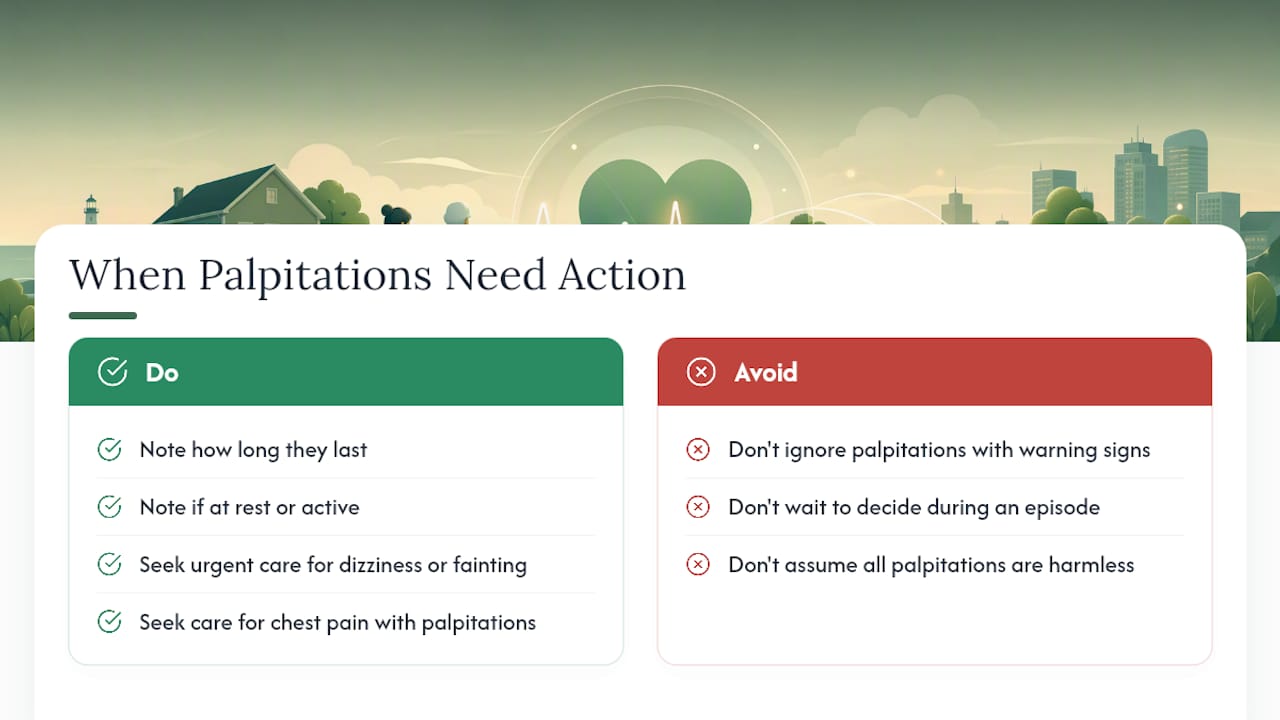
Occasional palpitations tied to caffeine or stress are usually harmless. Palpitations paired with dizziness, fainting, or chest pain are not, and understanding when heart palpitations warrant urgent care is worth doing before you’re in that situation, not during it.
Pro Tip: Note how long palpitations last and whether they happen at rest or during activity. That single detail helps your clinician sort a benign rhythm blip from something that needs an ECG right away.
Why Heart Failure Looks Different in Older Adults
Classic breathlessness and swelling aren’t always the loudest signals in older patients. Confusion, unexplained falls, or a marked drop in energy often show up instead, and clinicians can miss the connection if they’re only looking for the textbook pattern, per the NHLBI and supporting research on atypical presentations.
Someone with a low baseline activity level may never climb enough stairs to notice exertional breathlessness. The better comparison isn’t “can they run a mile,” it’s “can they still do what they normally did last month.”
Caregivers watching for subtle change should track:
- Appetite: eating less, or skipping meals they used to enjoy
- Sleepiness: napping far more than usual during the day
- Daily function: needing help with tasks they managed independently before
How to Track Symptoms at Home Before They Become an Emergency
Heart failure often progresses quietly, and small day-to-day changes are frequently the earliest signal a clinician can act on, according to Johns Hopkins Medicine. A simple daily routine catches those changes before they snowball.
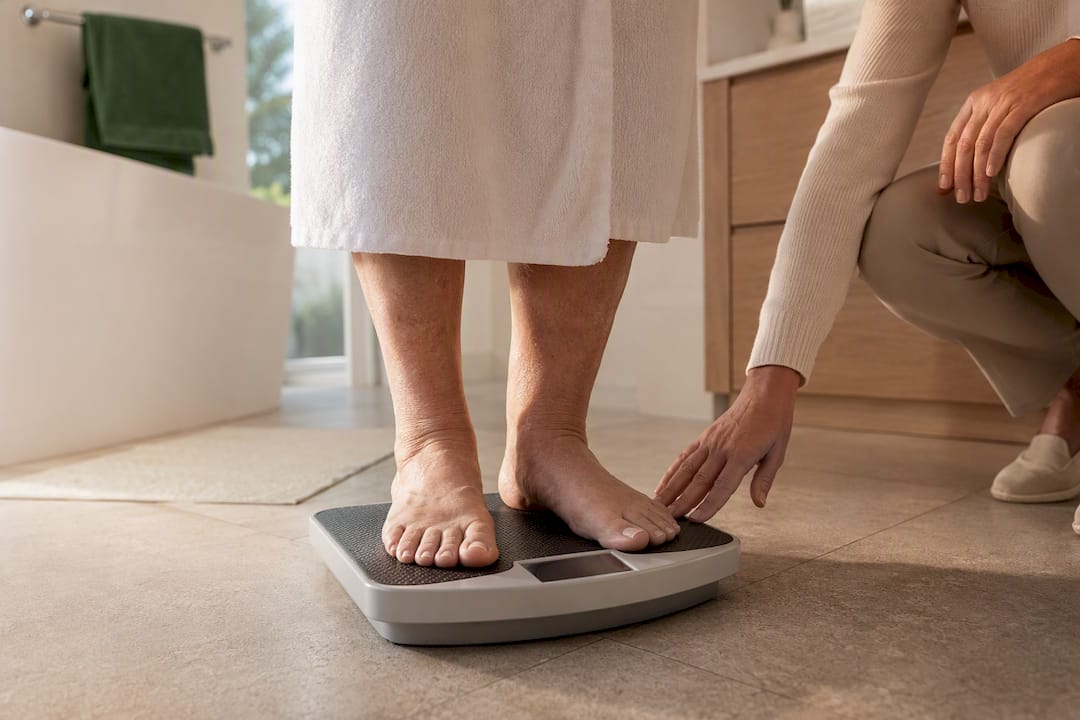
- Weigh yourself daily, same scale, same time (ideally morning, after using the bathroom, before breakfast), wearing similar clothing. Weeks of consistent readings build a personal baseline that separates normal fluctuation from a real trend.
- Log symptoms alongside the number: breathlessness on a simple scale (none, with activity, at rest), swelling location, urine output, dizziness, and appetite for the day.
- Know your two thresholds: about 2 pounds gained overnight or 5 pounds in a week are the numbers that justify a call to your care team, not a wait-and-see approach, per Mayo Clinic and the American Heart Association.
- Call your primary care or cardiology clinic for gradual weight gain, new or worsening swelling, or increasing fatigue. Call 911 for chest pain, fainting, sudden severe breathlessness, or pink frothy sputum.
Establishing a baseline weekly weight over a few weeks, before anything feels wrong, reduces false alarms from normal day-to-day fluctuation and makes real trends easier to spot later, a pattern the American Heart Association recommends building early.
Pro Tip: Keep your weight and symptom log on your phone or a notepad by the scale, and bring it to every appointment. A week of real numbers tells your clinician more in thirty seconds than “I’ve been feeling off” tells them in ten minutes.
For more on building this habit into daily life, Garden State Medical Group’s guidance on staying safe at home after a heart failure diagnosis walks through the routine in more detail.
Emergency Red Flags That Require Calling 911
Some signs cross the line from “call the clinic tomorrow” to “call 911 now.” Each of the following reflects a sudden, dangerous change rather than a gradual one.
- Chest pain or pressure, which can signal a heart attack happening alongside or instead of heart failure.
- Sudden, severe shortness of breath, especially if it comes on fast rather than building over days.
- Fainting or near-fainting, which can mean the heart isn’t delivering enough blood to the brain.
- Coughing up pink, frothy sputum, a sign of acute fluid flooding the lungs.
These differ from chronic baseline symptoms, the everyday breathlessness or swelling someone with known heart failure lives with, by their sudden onset and severity, according to Mayo Clinic. A gradual worsening over days still deserves a same-week call to your clinician; a sudden crash deserves an ambulance.
What Happens at Your Medical Evaluation
A clinician working through possible heart failure signs typically starts with vitals and a physical exam, then moves through a standard set of tests to confirm or rule out the diagnosis.
- Vitals and exam: blood pressure, heart rate, oxygen level, and a listen for lung crackles or abnormal heart sounds.
- ECG: checks the heart’s electrical rhythm for arrhythmias.
- BNP or NT-proBNP blood test: a marker that rises when the heart is under strain.
- Chest x-ray: looks for fluid in the lungs or an enlarged heart shadow.
- Echocardiogram: an ultrasound that measures how well the heart is actually pumping.
Results guide next steps, which might mean adjusting medications, starting a diuretic to clear excess fluid, or a referral for further cardiac workup, an evaluation that often benefits from imaging and diagnostic testing done on-site rather than across multiple separate appointments. Bring your weight log, a current medication list, and notes on when symptoms started.
How Garden State Medical Group Approaches Early Heart Failure Signs
Catching heart failure signs early usually comes down to connecting dots across specialties, not just one exam. Garden State Medical Group pairs primary care with cardiopulmonary services and on-site radiology, so a patient reporting new fatigue and ankle swelling can move from evaluation to imaging without weeks of separate referrals. Patients who bring a simple weight and symptom log to their visit consistently give clinicians a clearer, faster path to the right diagnosis than a verbal description alone.
— Garden State Medical Group
Scheduling an Evaluation for Heart Failure Signs
Reading a symptom checklist is useful, but it’s not a diagnosis, and it’s not a substitute for a clinician putting a stethoscope on your chest. If you’ve noticed breathlessness at night, unexplained swelling, or the kind of fatigue that’s starting to limit your day, that’s the point where checking in with a professional beats waiting to see if it passes.
Garden State Medical Group’s primary care team can evaluate new or worsening symptoms as a starting point, with direct access to cardiopulmonary specialists and on-site imaging when a closer look at heart function is warranted. For anyone already managing a diagnosis, the practice’s chronic care management program helps keep monitoring consistent between visits, so small changes in weight or symptoms get flagged before they become emergencies. Appointments are available in person at the North Bergen and Secaucus locations or by telemedicine for a first-pass conversation. Bring whatever symptom notes or recent weights you have, even a few days’ worth helps, and call to book an evaluation if any of the signs above sound familiar.
Sources
Claims in this article draw on the Mayo Clinic, American Heart Association, Johns Hopkins Medicine, and NHLBI. For a patient-focused breakdown of symptoms to watch for, see Garden State Medical Group’s guide to heart failure symptoms.
- Heart failure - Symptoms and causes | Mayo Clinic
- Warning signs of heart failure | American Heart Association
- Heart failure symptoms | Johns Hopkins Medicine
- Heart Failure symptoms | NHLBI, NIH
FAQ
How long can someone live with heart failure?
Many people live well for years after diagnosis, especially with early detection, consistent monitoring, and medication adherence; outlook depends heavily on the underlying cause and how early it’s caught.
How do you manage heart failure day to day?
Daily weight checks, a symptom diary, medication adherence, fluid and sodium moderation, and regular follow-up appointments form the core of effective management, alongside prompt reporting of any warning signs.
What are the main causes of congestive heart failure?
Coronary artery disease, high blood pressure, prior heart attacks, and cardiomyopathy are among the most common causes; conditions like adult cardiomyopathy can directly weaken the heart’s pumping ability over time.
What are the four stages of heart failure?
Clinicians commonly use Stage A through Stage D, ranging from risk factors with no symptoms (Stage A) to advanced, difficult-to-treat symptoms at rest (Stage D); your clinician can tell you which stage applies to your specific case.
Is shortness of breath always a heart failure sign?
No. Shortness of breath is non-specific and can stem from lung disease, anxiety, obesity, or lingering effects after COVID, which is why a clinical evaluation matters more than self-diagnosis.