
Hypertension Management: What You Need to Know
TL;DR:
- Hypertension management involves lifestyle changes, medication, and regular monitoring to lower blood pressure and prevent organ damage. Consistent effort and patient-provider collaboration are essential for effective long-term control. Incorporating dietary improvements, exercise, medication, and home monitoring helps reduce risks associated with high blood pressure.
Hypertension management is defined as the coordinated use of lifestyle changes, medications, and ongoing monitoring to control blood pressure and prevent serious organ damage. Clinically, high blood pressure is diagnosed when systolic pressure reaches 130 mm Hg or higher, or diastolic pressure reaches 80 mm Hg or higher. The American Heart Association and the CDC both recognize hypertension as a leading driver of heart disease, stroke, and kidney failure. What makes it especially dangerous is that it rarely causes symptoms, earning it the label “silent killer.” Effective control requires a patient-provider partnership built on consistent effort and clear goals.
What is hypertension management and why does it matter?
Hypertension management is the structured, long-term process of keeping blood pressure within a safe range through a combination of clinical care and daily habits. Without it, sustained high pressure damages the walls of blood vessels, forcing the heart to work harder over time. That strain quietly injures the heart, brain, kidneys, and eyes before most patients notice any warning sign.
The goal of management is not just to lower a number on a monitor. The real target is reducing your lifetime risk of heart attack, stroke, and kidney disease. Reaching that target requires understanding both what raises blood pressure and what brings it down reliably. The two main tools are lifestyle modification and medication, and they work best when used together rather than as alternatives to each other.
What lifestyle changes help control high blood pressure?
Lifestyle modification is the foundation of every effective hypertension control plan, and several changes carry strong clinical evidence behind them.
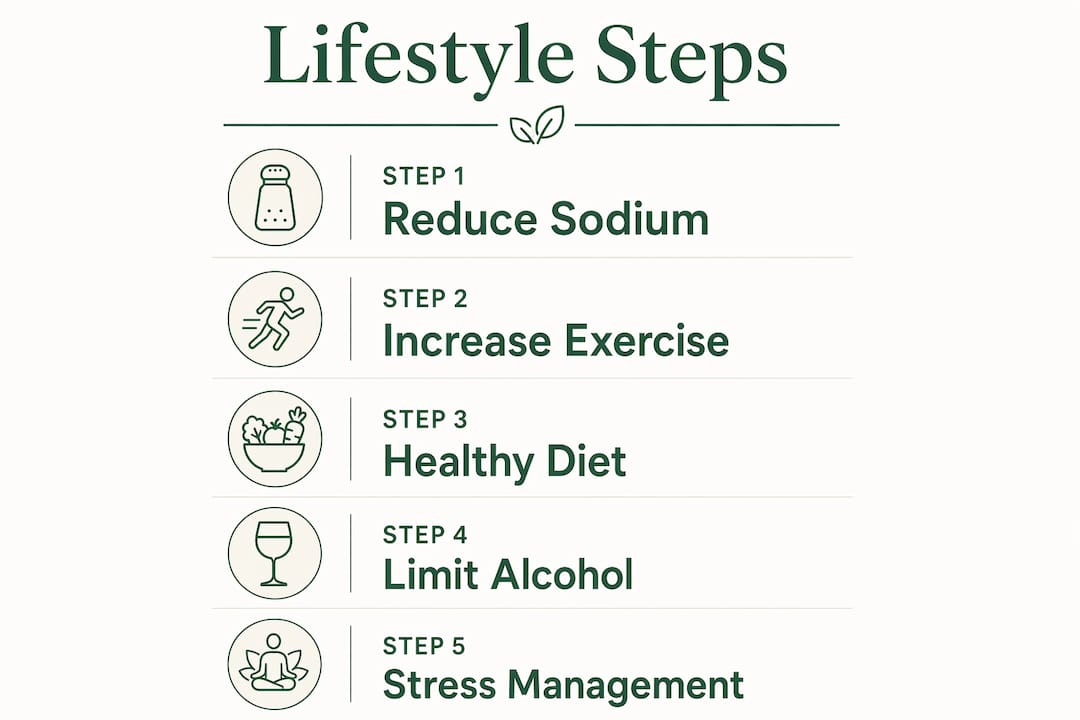
- Aerobic exercise: 150 minutes of aerobic activity per week, such as brisk walking, cycling, or swimming, lowers systolic blood pressure by 5–8 mm Hg. That reduction is clinically meaningful and often reduces the dose of medication you need.
- DASH diet: The Dietary Approaches to Stop Hypertension eating plan emphasizes fruits, vegetables, whole grains, and low-fat dairy while limiting saturated fat. Following the DASH diet can lower systolic pressure by up to 11 mm Hg, making it one of the most powerful non-drug interventions available.
- Sodium reduction: Cutting sodium intake is among the most critical steps you can take. A low-sodium diet produces blood pressure reductions comparable to taking up to two antihypertensive medications. Aim for less than 2,300 mg of sodium per day, and ideally closer to 1,500 mg if your pressure is already elevated.
- Weight management: Losing even a modest amount of weight reduces the mechanical load on your heart and blood vessels. Blood pressure typically drops measurably with each sustained reduction in body weight.
- Potassium intake: Potassium helps the kidneys flush excess sodium. Foods like bananas, sweet potatoes, and spinach support this process naturally.
- Limiting alcohol and quitting smoking: Alcohol raises blood pressure directly, and tobacco damages vessel walls. Reducing alcohol to one drink per day for women and two for men, and stopping smoking entirely, both produce measurable improvements.
- Stress management: Chronic stress activates hormones that constrict blood vessels. Techniques like diaphragmatic breathing, regular sleep, and structured relaxation lower the hormonal load on your cardiovascular system.
Pro Tip: Start with one or two changes rather than overhauling everything at once. Patients who make gradual, consistent adjustments maintain them far longer than those who attempt a complete lifestyle reset overnight. Pair a healthy food choice with a daily walk, and build from there.
What medication options are used in hypertension treatment?
Medication becomes necessary when blood pressure remains above target despite lifestyle changes, or when your cardiovascular risk profile is high enough that waiting is not safe. Your doctor will consider your overall health, kidney function, age, and other conditions before selecting a drug class.

The four first-line medication classes are:
| Drug Class | How It Works | Common Examples |
|---|---|---|
| ACE inhibitors | Block a hormone that narrows blood vessels | Lisinopril, enalapril |
| ARBs (Angiotensin receptor blockers) | Block the same hormone at a different point | Losartan, valsartan |
| Thiazide diuretics | Help kidneys remove excess sodium and fluid | Hydrochlorothiazide, chlorthalidone |
| Calcium channel blockers | Relax and widen blood vessel walls | Amlodipine, diltiazem |
Each class works through a different mechanism, which is why combining them often produces better results than increasing the dose of a single drug. Approximately 70% of adults with hypertension need more than one medication class to reach their blood pressure target. That figure reflects how complex blood pressure regulation is, not a failure of any individual treatment.
Single-pill combination therapy addresses this directly. Packaging two or more drugs into one tablet improves adherence significantly because patients are less likely to miss a dose when they only need to take one pill. Adherence is the single biggest predictor of long-term blood pressure control.
Pro Tip: Never stop a blood pressure medication without talking to your doctor first, even if you feel fine. Blood pressure often rises quickly after stopping, and that rebound can be dangerous. If side effects bother you, ask about switching classes rather than stopping entirely.
Why does monitoring matter in managing hypertension?
Monitoring is not optional in hypertension care. It is the feedback loop that tells you and your doctor whether your current plan is working. Without regular readings, you are managing a condition you cannot see or feel.
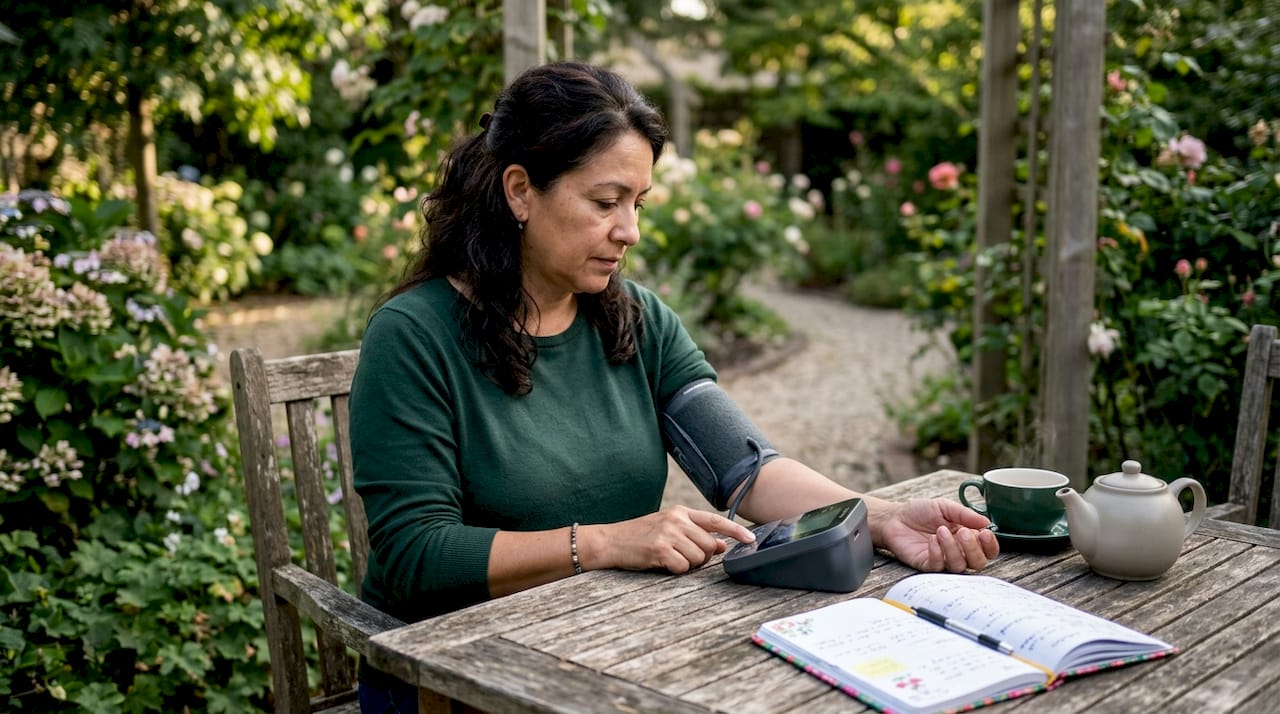
Home blood pressure monitoring (HBPM) gives you data outside the clinical setting, which is often more accurate than office readings alone. A well-known problem called “white coat hypertension” occurs when blood pressure rises in a medical office due to anxiety, leading doctors to prescribe medication that a patient does not actually need. Structured home logs help identify this pattern and guide more accurate treatment decisions.
Effective home monitoring follows a few clear principles:
- Measure at the same time each day, ideally morning and evening.
- Sit quietly for five minutes before taking a reading.
- Use a validated upper-arm cuff, not a wrist device.
- Record every reading in a log to share with your provider.
- Bring your home monitor to appointments so your doctor can check its accuracy.
Regular follow-up with your care team is equally important. Your provider uses those visits to review your readings, adjust medications, check for side effects, and screen for organ damage. Health monitoring is not a one-time event. It is an ongoing process that keeps your management plan aligned with how your body is actually responding.
How do you sustain long-term blood pressure control?
Sustained hypertension control is harder than achieving an initial improvement. The most common obstacle is not a lack of information. It is the difficulty of maintaining new habits and medications over months and years.
One of the most damaging misconceptions is that needing medication means lifestyle changes have failed. Medication and lifestyle modification are complementary tools, not competing ones. Medication stabilizes blood pressure quickly, which gives your body the conditions it needs to benefit from exercise and dietary changes. Viewing them as a team rather than a hierarchy removes a significant source of discouragement.
Side effects are a real barrier for many patients. Fatigue, dizziness, and frequent urination are common early complaints with certain drug classes. Most side effects improve within a few weeks, and switching to a different class often resolves the problem entirely. Open communication with your provider about what you are experiencing leads to faster adjustments and better outcomes.
Setting realistic goals also matters. Blood pressure does not normalize overnight, and progress is rarely linear. Tracking small wins, such as a consistent reading below 140/90 mm Hg for two weeks, builds the motivation to continue. The chronic disease management mindset that works best treats hypertension as a long-term condition to live well with, not a short-term problem to fix and forget.
Pro Tip: Tell your doctor about every supplement, over-the-counter drug, and herbal product you take. NSAIDs like ibuprofen, decongestants, and even licorice root can raise blood pressure or interfere with your medications in ways that undermine your entire plan.
Key Takeaways
Hypertension management requires a sustained combination of lifestyle changes, appropriate medication, and consistent monitoring to reduce blood pressure and protect long-term health.
| Point | Details |
|---|---|
| Clinical threshold | Blood pressure at or above 130/80 mm Hg meets the diagnostic standard for hypertension. |
| Lifestyle impact | The DASH diet and 150 minutes of weekly exercise each produce clinically significant BP reductions. |
| Medication reality | Most patients need more than one drug class; single-pill combinations improve adherence. |
| Monitoring accuracy | Home blood pressure logs prevent over-treatment and guide more accurate clinical decisions. |
| Long-term mindset | Medication and lifestyle changes work together; treating them as a team produces the best outcomes. |
My honest take on what actually moves the needle
I have seen a lot of patients approach hypertension management as a problem to solve once and move on from. That framing is the root of most long-term failures. Blood pressure is not a static number. It responds to sleep, stress, diet, activity, and medication in real time, which means your management plan needs to be just as dynamic.
The clinical guidelines from the American Heart Association and the CDC are clear and well-supported. What they cannot fully capture is the psychological weight of managing a condition that gives you no daily feedback. You feel fine, so it is easy to skip a pill or abandon the DASH diet after a stressful week. That gap between feeling fine and being at risk is exactly why education and regular monitoring matter so much.
What I find genuinely underappreciated is the power of sodium reduction. Most patients focus on exercise because it feels active and measurable. But cutting sodium aggressively can rival the effect of one or two medications. That is not a small thing. It means your dietary choices carry real clinical weight, not just general wellness value.
The patients who manage hypertension well over the long term share one trait: they treat their provider as a partner, not an authority to check in with once a year. They bring their home logs, ask about side effects, and adjust their plans based on real data. That active partnership is the most effective hypertension strategy I know.
— Krunal
How Gardenstatemedicalgroup supports your blood pressure care
Managing blood pressure well requires more than a prescription. It requires a care team that knows your full health picture and checks in consistently over time.
Gardenstatemedicalgroup offers primary care services in North Bergen and Secaucus, New Jersey, designed to support patients through every stage of hypertension care. From initial diagnosis and medication management to lifestyle counseling and long-term follow-up, the team coordinates your care across specialties. The chronic care management program provides structured support for patients managing ongoing conditions like hypertension, with regular check-ins and personalized care plans. Schedule a consultation to get a plan built around your specific readings, risk factors, and goals.
FAQ
What is hypertension management?
Hypertension management is the coordinated use of lifestyle changes, medications, and regular monitoring to keep blood pressure below 130/80 mm Hg and reduce the risk of heart attack, stroke, and kidney disease.
What causes high blood pressure?
High blood pressure develops from a combination of factors including excess sodium intake, physical inactivity, obesity, chronic stress, genetics, and certain medications. Most cases have no single identifiable cause.
When is medication needed for hypertension?
Medication is typically recommended when blood pressure stays above 130/80 mm Hg despite lifestyle changes, or when a patient’s cardiovascular risk profile makes immediate treatment necessary. Most patients eventually need more than one drug class.
What is the most effective lifestyle change for blood pressure?
Sodium reduction and the DASH diet consistently produce the largest blood pressure reductions among lifestyle interventions. A low-sodium diet can match the effect of up to two antihypertensive medications.
What is white coat hypertension?
White coat hypertension is a pattern where blood pressure reads high in a clinical setting due to anxiety but remains normal at home. Home blood pressure monitoring helps identify this pattern and prevents unnecessary medication.
Recommended
- Chronic disease management tips: take control of your health
- Diabetes Management: Your Step-by-Step 2026 Guide
- Managing Your Heart’s Health: The Value of Cardiac Care | Garden State Medical Group | Garden State Medical Group
- 4 Healthy Food Choices to Control Your Blood Pressure | Garden State Medical Group | Garden State Medical Group