
The Role of Nutrition in Wellness: 2026 Guide

TL;DR:
- Proper nutrition is essential for supporting overall wellness by providing necessary nutrients for body function and disease prevention. Consistently adopting balanced dietary patterns, such as the Mediterranean or DASH diets, can improve mental health, reduce chronic disease risk, and promote healthy aging. Small, sustainable dietary changes over time lead to lasting health benefits and better quality of life.
Nutrition is the foundation of wellness, supplying the essential nutrients your body needs to function, heal, and protect itself from disease. The role of nutrition in wellness extends far beyond managing your weight or counting calories. What you eat directly shapes your energy levels, mental clarity, immune strength, and long-term disease risk. Good nutrition means a balanced intake of carbohydrates, proteins, fats, vitamins, and minerals drawn from a wide variety of whole foods. Understanding this connection is the first step toward making dietary choices that genuinely support your health.
What is the role of nutrition in wellness?
Nutrition is defined as the process by which your body takes in and uses food to support growth, energy, and overall function. The American Medical Association identifies nutrition as essential for disease prevention and long-term well-being. That definition matters because it positions food not as a reward or indulgence, but as a direct input into your health outcomes.

Dietary patterns built around fruits, vegetables, legumes, whole grains, lean proteins, and healthy fats like olive oil and nuts form the backbone of good nutrition. These patterns work because they deliver the full spectrum of nutrients your body requires at every life stage. The World Health Organization frames healthy eating around four principles: adequacy, moderation, diversity, and safety. Each principle addresses a different failure point in how most adults actually eat.
Adequacy means getting enough of every nutrient your body needs. Moderation means limiting foods that cause harm when consumed in excess, including added sugars, sodium, and saturated fats. Diversity means rotating food sources so no single nutrient gap persists over time. Safety means choosing foods that are free from harmful contaminants. Together, these four principles form a practical framework you can apply without needing a nutrition degree.
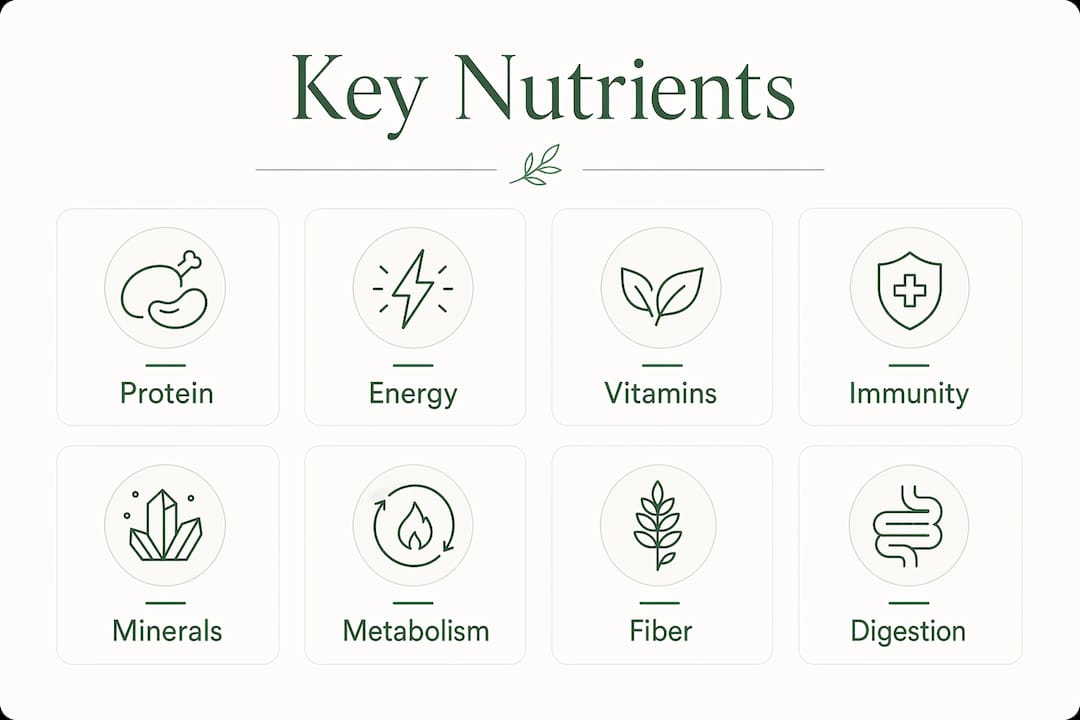
Key nutrients your body depends on
- Carbohydrates supply the primary fuel for your brain and muscles. Whole grain sources like oats, brown rice, and quinoa deliver fiber alongside energy, which slows digestion and stabilizes blood sugar.
- Proteins repair tissue, support immune function, and produce enzymes and hormones. Lean sources include chicken, fish, legumes, and low-fat dairy.
- Fats are not the enemy. Unsaturated fats from avocados, nuts, and olive oil support heart health and reduce inflammation. Trans fats and excess saturated fats do the opposite.
- Vitamins and minerals regulate nearly every biological process. Calcium and vitamin D protect bones. Iron carries oxygen in the blood. Magnesium supports nerve and muscle function.
Pro Tip: Reading nutrition labels takes less than 30 seconds and gives you immediate data on sodium, added sugars, and saturated fat content. The American Medical Association lists label reading as one of the core behaviors that sustain healthy dietary patterns over time.
How does nutrition influence mental health?
Diet quality and mental health are directly connected through biological pathways that include inflammation, the gut microbiome, and brain function. A large meta-analysis of 633,317 individuals across 23 countries found that healthy diets were associated with a standardized mean difference of -0.29 for depression compared to unhealthy diets. That number reflects a meaningful, measurable reduction in depression symptoms tied directly to what people eat.
The gut microbiome plays a central role in this relationship. Your gut produces roughly 90% of the body’s serotonin, a neurotransmitter that regulates mood, sleep, and appetite. Diets rich in fiber from fruits, vegetables, and whole grains feed the beneficial bacteria that keep this system functioning well. Ultra-processed foods, by contrast, reduce microbial diversity and increase systemic inflammation, both of which are linked to higher rates of anxiety and depression.
“Diet quality is a systemic factor influencing mental health. Improvements are gradual and modifiable.” — American Psychological Association
The APA cautions against expecting immediate symptom reversal from dietary changes alone. Mental health improvements from better nutrition typically develop over weeks to months. That realistic timeline matters because unrealistic expectations lead to discouragement and abandonment of otherwise effective habits. Nutrition works best as one component of a broader mental wellness strategy that includes physical activity, sleep, and, when needed, professional support. Resources like mental health self-care strategies can complement dietary changes for adults managing anxiety or depression.
The practical dietary shifts that support mental wellness are straightforward. Eat more fruits, vegetables, and minimally processed foods. Reduce ultra-processed snacks, fast food, and sugar-sweetened beverages. These changes do not require perfection. Consistent improvement over time produces the biological shifts that translate into better mood and cognitive function.
What role does nutrition play in preventing chronic disease?
Diet quality is one of the most powerful modifiable factors in preventing and managing chronic diseases including heart disease, type 2 diabetes, stroke, and certain cancers. The World Health Organization confirms that healthy diets protect against noncommunicable diseases across all life stages. This protection is not passive. It is the direct result of specific dietary choices made consistently over time.
The American Heart Association’s 2026 dietary guidance identifies nine core features of a heart-healthy diet:
- Maintain a healthy body weight through calorie balance.
- Eat a wide variety of fruits and vegetables daily.
- Choose whole grains over refined grains.
- Select healthy protein sources, including fish, legumes, and nuts.
- Use liquid plant oils like olive oil instead of tropical oils.
- Minimize intake of ultra-processed foods.
- Limit added sugars to less than 10% of daily calories.
- Reduce sodium intake to support healthy blood pressure.
- Avoid or limit alcohol consumption.
These nine features reflect the AHA’s 2026 cardiovascular guidance and represent the current gold standard for dietary chronic disease prevention. Each feature targets a specific biological mechanism. Reducing sodium lowers blood pressure. Replacing saturated fats with unsaturated fats reduces LDL cholesterol. Increasing fiber improves blood sugar regulation and reduces cardiovascular risk.
| Dietary Factor | Chronic Disease Impact |
|---|---|
| Excess sodium | Raises blood pressure, increases stroke risk |
| Added sugars | Drives insulin resistance and type 2 diabetes |
| Saturated and trans fats | Elevates LDL cholesterol, increases heart disease risk |
| Fiber from whole grains | Lowers blood sugar, reduces cardiovascular mortality |
| Unsaturated fats | Reduces inflammation and LDL cholesterol |
Nutrition also complements medical management of existing chronic conditions. Clinicians tailor dietary recommendations based on a patient’s specific condition profile, focusing on weight, sodium, added sugars, and fat quality. For adults already managing heart disease or diabetes, dietary changes are not optional lifestyle upgrades. They are clinical interventions. Learning how to manage chronic disease effectively through nutrition and medical care together produces better outcomes than either approach alone.
Pro Tip: If you have a chronic condition, ask your primary care provider for a referral to a registered dietitian. Personalized dietary guidance is more effective than general advice because it accounts for your medications, lab values, and health history.
How does nutrition support healthy aging?
Higher quality dietary patterns are directly associated with preserved physical and cognitive function and lower mortality risk as you age. Research published in Nature Medicine shows that fruits, whole grains, nuts, legumes, and unsaturated fats support aging wellness, while trans fats, sodium, and processed meats accelerate decline. The distinction matters because aging is not simply the absence of disease. It is the maintenance of functional independence.
Three dietary patterns stand out in the research on healthy aging:
| Dietary Pattern | Key Features | Primary Benefit |
|---|---|---|
| Mediterranean Diet | Olive oil, fish, vegetables, legumes, moderate wine | Reduced cardiovascular and cognitive decline |
| DASH Diet | Low sodium, high potassium, fruits, vegetables, low-fat dairy | Blood pressure control, reduced stroke risk |
| Planetary Health Diet | Plant-forward, limits red meat and added sugars | 59% lower all-cause mortality risk |
The Planetary Health Diet finding is particularly striking. A cohort study of U.S. adults found that those in the highest diet quality quintile had significantly lower all-cause mortality and cardiovascular disease risk. A 59% reduction in mortality risk is not a marginal benefit. It represents a fundamental shift in health trajectory driven by food choices.
For older adults specifically, maintaining diet quality supports functional independence beyond disease prevention. Cognitive preservation, muscle maintenance, and bone density all depend on consistent nutrient intake. Calcium, vitamin D, and protein become especially critical after age 50. Gardenstatemedicalgroup’s bone health and vitality program addresses exactly this need for older adults seeking structured nutritional and clinical support.
The practical steps for aging adults are clear. Increase fruits, whole grains, nuts, and legumes. Replace red and processed meats with fish, poultry, or plant proteins. Choose low-fat dairy over full-fat options. Limit sodium to reduce blood pressure risk. These are not dramatic overhauls. They are gradual, sustainable adjustments that compound into significant health gains over years.
Key takeaways
Nutrition is the single most modifiable factor in adult wellness, directly shaping chronic disease risk, mental health, and the quality of your aging years.
| Point | Details |
|---|---|
| Nutrition drives wellness outcomes | Balanced intake of macronutrients and micronutrients supports every major body function. |
| Diet quality affects mental health | Healthy diets are associated with measurably lower depression and anxiety symptoms. |
| Chronic disease prevention starts at the table | AHA’s nine dietary features reduce cardiovascular and metabolic disease risk significantly. |
| Dietary patterns outperform single foods | Mediterranean, DASH, and Planetary Health diets show the strongest long-term evidence. |
| Gradual change produces lasting results | Sustainable dietary habits built over time deliver better outcomes than short-term fixes. |
What i’ve learned about nutrition and long-term wellness
After years of working with patients managing chronic conditions and navigating the noise of diet culture, one pattern stands out clearly. The adults who improve their health through nutrition are not the ones who follow the strictest diet. They are the ones who build repeatable habits they can sustain for years.
Most people approach nutrition as a short-term project. They cut carbs for a month or add a green smoothie for a few weeks, then revert when life gets busy. That approach misses the point entirely. The research on Mediterranean and DASH diets is compelling not because those patterns are perfect, but because they are sustainable. They allow for variety, flexibility, and enjoyment, which is exactly why people stick with them long enough to see results.
The mental health connection also deserves more honest discussion. Patients often expect dietary changes to produce rapid mood improvements. The APA’s guidance is clear: diet quality is a systemic factor, and changes are gradual. Setting that expectation upfront prevents the discouragement that causes people to abandon genuinely effective habits after just a few weeks.
My strongest recommendation is to start with one concrete behavior change rather than a complete dietary overhaul. Read nutrition labels for one week. Cook at home three nights instead of two. Add one serving of vegetables to your lunch. These small shifts build the confidence and momentum that lead to larger, lasting changes. Pairing dietary improvements with physical activity and stress management, as the AHA’s 2026 guidance recommends, produces results that neither approach achieves alone.
— Krunal
How Gardenstatemedicalgroup supports your nutrition and wellness
Improving your nutrition is more effective when you have clinical support behind you. Gardenstatemedicalgroup offers primary care services in North Bergen and Secaucus, New Jersey, that include wellness counseling, preventive care, and personalized guidance for adults managing or seeking to prevent chronic conditions.

For adults at risk of or living with diabetes, the diabetes prevention and education program at Gardenstatemedicalgroup provides structured nutritional education alongside medical oversight. The practice’s cardiopulmonary care team also works with patients whose heart and lung health requires dietary management as part of a broader treatment plan. Schedule a consultation to get personalized guidance that fits your health history and goals.
FAQ
What is the role of nutrition in overall wellness?
Nutrition supplies the essential nutrients that fuel body functions, support immune defense, and reduce chronic disease risk. The American Medical Association defines good nutrition as a balanced intake of carbohydrates, proteins, fats, vitamins, and minerals from diverse whole food sources.
How does diet affect mental health?
Healthy diets are associated with lower depression and anxiety symptoms by reducing inflammation and supporting gut microbiome health. A meta-analysis of over 633,000 individuals found a measurable reduction in depression scores for people following healthy dietary patterns.
Which dietary pattern is best for preventing chronic disease?
The American Heart Association’s 2026 guidelines point to patterns emphasizing whole grains, fruits, vegetables, lean proteins, and unsaturated fats while limiting sodium, added sugars, and ultra-processed foods. No single food delivers this protection. Consistent dietary patterns do.
Can nutrition help manage an existing chronic condition?
Dietary changes are a clinical intervention for conditions like heart disease, type 2 diabetes, and hypertension. Clinicians tailor recommendations based on individual condition profiles, focusing on sodium, fat quality, added sugars, and body weight.
What foods support healthy aging?
Fruits, whole grains, nuts, legumes, unsaturated fats, and low-fat dairy are linked to preserved physical and cognitive function in older adults. Trans fats, sodium, and processed meats are associated with accelerated decline and higher mortality risk.
Recommended
- Diet and Weight Loss: The Key To Achieving Wellness | Garden State Medical Group | Garden State Medical Group
- What to Expect When You Undergo a Wellness Exam - Our Guide | Garden State Medical Group | Garden State Medical Group
- Medicare wellness checklist: Essential steps for NJ seniors | Garden State Medical Group