Why Choose a Local Medical Group for Better Care

TL;DR:
- Choosing a local medical group provides personalized, continuous care that improves health outcomes and reduces costs. Its proximity and coordinated services enable timely appointments, prevent care gaps, and strengthen community health. Building trust over time leads to better engagement, healthier communities, and more effective management of chronic conditions.
If you live in North Bergen or Secaucus and are weighing your healthcare options, the question of why choose a local medical group is worth serious consideration. Larger health systems often seem like the obvious choice. They have recognizable names and sprawling facilities. But size does not automatically mean better care for you as an individual. Local medical groups often deliver something that large, centralized systems struggle to match: a personal relationship with your care team, real accessibility, and a genuine investment in your community’s health.
Table of Contents
- Key takeaways
- Why choose a local medical group for personalized care
- Accessibility and shorter wait times
- Financial and community benefits of local healthcare
- Coordinated care and your medical home base
- My perspective on why local providers matter
- Care that is close to home at Gardenstatemedicalgroup
- FAQ
Key takeaways
| Point | Details |
|---|---|
| Continuity improves outcomes | Seeing the same local provider consistently links to lower hospitalization odds and reduced healthcare costs. |
| Proximity reduces barriers | Living close to your medical group makes it easier to keep appointments, get timely care, and follow treatment plans. |
| Local care saves money | High continuity with a local provider associates with 15% lower healthcare expenditures compared to fragmented care. |
| Coordinated care prevents gaps | Local medical groups connect you with specialists, diagnostics, and programs without losing the thread of your health history. |
| Community reinvestment matters | Local healthcare providers support local jobs and funnel resources back into the neighborhoods they serve. |
Why choose a local medical group for personalized care
When you see the same doctor repeatedly, that provider begins to understand you as a whole person, not just a set of symptoms. They know your medical history, your family health background, your lifestyle, and your concerns. That kind of familiarity is genuinely difficult to replicate in a large system where you may see a different provider at every visit.
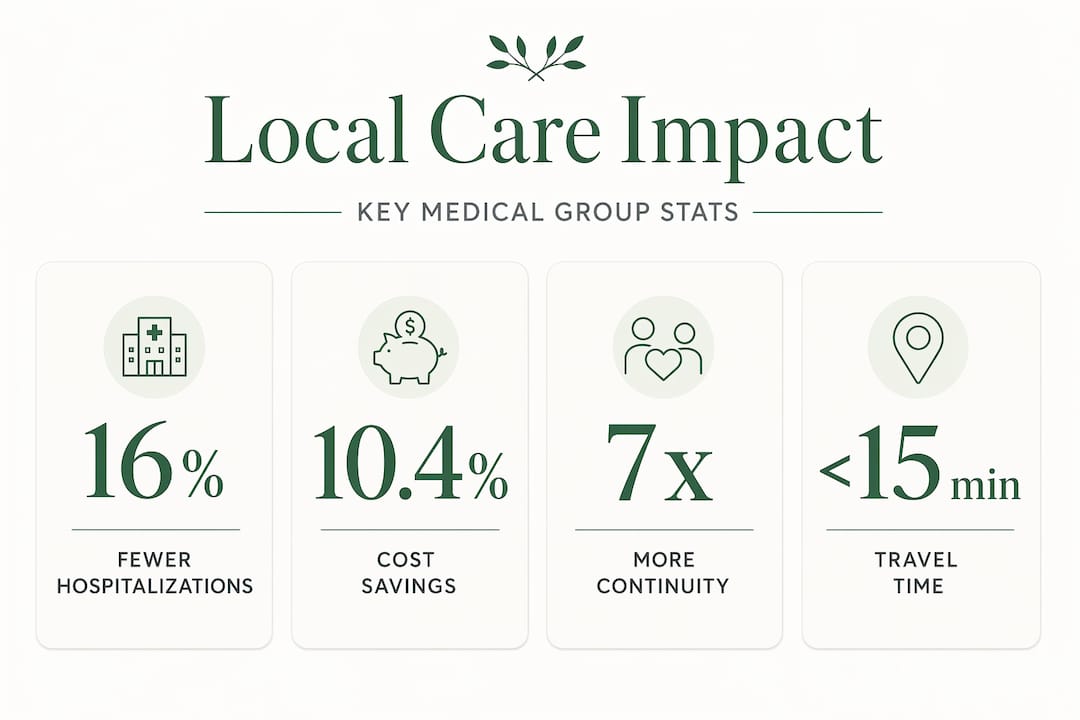
Research confirms this matters measurably. High continuity with a local provider is associated with 16% lower hospitalization odds and 15% lower healthcare expenditures. That is not a marginal difference. It reflects the real-world impact of a doctor who can spot subtle changes in your health, catch early warning signs, and tailor treatment plans to your specific situation.
For patients managing chronic conditions like diabetes, heart disease, or respiratory issues, this continuity is especially significant. Your local doctor is not starting from zero at each visit. They track your progress over time, adjust your treatment as your needs change, and keep all parts of your care connected.
Here is what personalized care from a local medical group typically looks like in practice:
- Longer consultation times because your provider already knows your background
- Proactive check-ins related to your specific health conditions or risk factors
- Coordinated referrals to specialists who communicate directly with your primary care provider
- Treatment decisions that account for your preferences, not just standard protocols
Pro Tip: When you first join a local medical group, bring a written summary of your health history, current medications, and any recent specialist visits. This helps your new provider build a complete picture faster and personalizes your care from the very first appointment.
The bond between patient and provider leads to better honesty and engagement. Patients who trust their doctor are more likely to share symptoms they might otherwise downplay, follow through on referrals, and stick with prescribed treatments. That trust is built over time, and it is one of the most powerful tools in preventive health.
Accessibility and shorter wait times
One of the most direct reasons to choose local healthcare providers is simple: proximity changes how you use healthcare. When your medical group is a short drive from home or work in North Bergen or Secaucus, you are far more likely to schedule that annual physical, follow up on a concern, or bring your child in for a check-up without putting it off.
Proximity to healthcare services directly improves preventive care uptake, chronic disease management, and reduces health disparities. The logic is straightforward. A 45-minute commute to a large regional hospital creates friction. That friction compounds over time, leading people to delay care until a problem becomes serious.
Consider the contrast between local medical groups and large centralized health systems on the issues that matter most to everyday patients:
| Factor | Local medical group | Large centralized system |
|---|---|---|
| Travel time | Typically under 15 minutes | Often 30 to 60+ minutes |
| Appointment scheduling | Same-week or next-day availability | Weeks or months in advance |
| After-hours access | Often available via phone or portal | Typically routed to urgent care or ER |
| Provider familiarity | High, same provider across visits | Low, rotating staff common |
| Wait time in office | Generally shorter | Can exceed 30 to 60 minutes |
For elderly patients who need frequent appointments or families with young children, this convenience is not a luxury. It is a genuine health factor. Getting care on time, without added stress, makes people more consistent about managing their health.
Pro Tip: When evaluating local medical groups, ask specifically about their after-hours contact policy. A group that offers a nurse line or patient portal messaging outside of office hours dramatically reduces the chance you will end up in an emergency room for something manageable.
Financial and community benefits of local healthcare
Choosing nearby medical services is not only good for your health. It can protect your finances too. Continuity of care measured over time is consistently linked to decreased costs, lower hospitalization rates, and fewer emergency department visits, with costs reduced by 7.4% to 10.4% across one-year measurement periods.
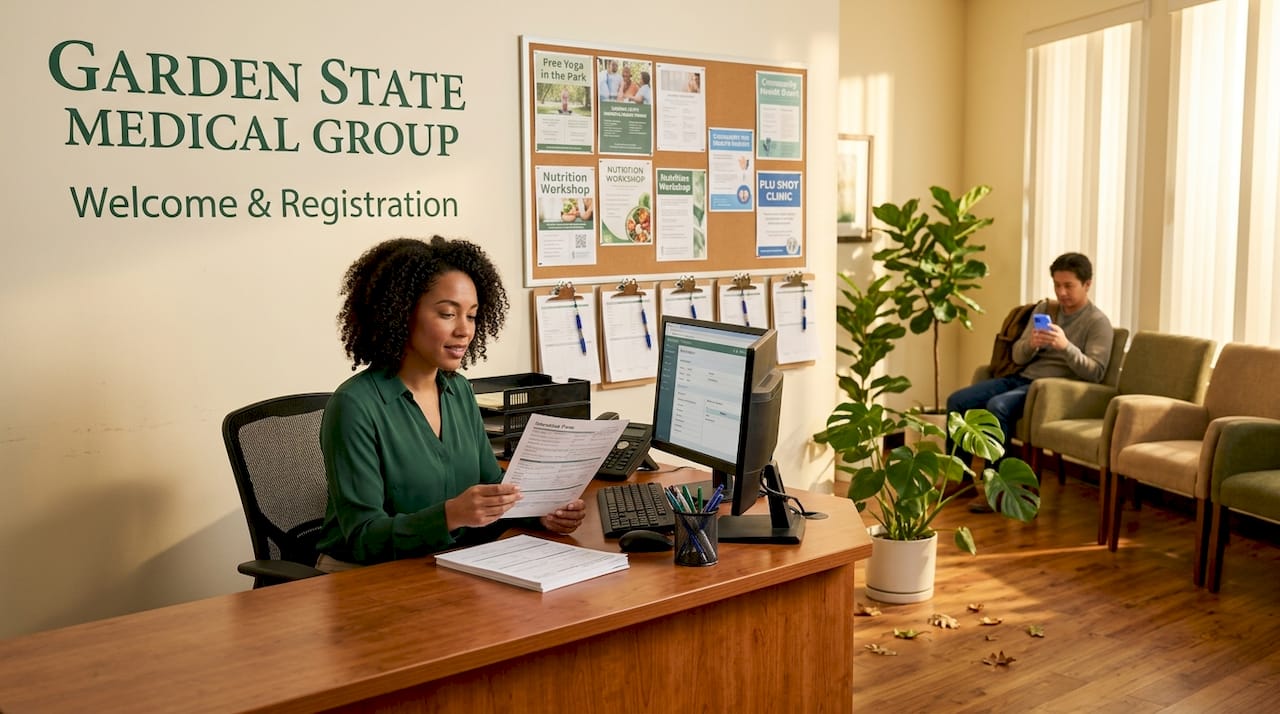
Emergency room visits are one of the most expensive and avoidable healthcare costs for many families. Patients who have 3 or more primary care visits annually show significantly fewer non-urgent ER visits. When your local doctor knows you and is accessible, you call the office before you drive to the emergency room.
The benefits extend beyond your personal budget. Here is how choosing local healthcare providers strengthens the broader community:
- Local medical groups employ community members, keeping healthcare jobs in the neighborhood
- Spending on local healthcare circulates within local businesses and services, rather than leaving the community
- Nonprofit local hospitals reinvest resources into community health programs, infrastructure, and social wellbeing
- A healthier community workforce reduces overall economic burden from untreated illness and absenteeism
When you choose a local medical group, you are also making a decision about where your healthcare dollars go. They tend to stay closer to home.
Coordinated care and your medical home base
One of the most underappreciated advantages of community clinics and local medical groups is their ability to serve as your central hub for all healthcare decisions. Rather than managing disconnected appointments with multiple providers who may not communicate with each other, your local medical group keeps everything connected.
Local coordination prevents care fragmentation and builds the kind of trust that leads to comprehensive, well-managed health outcomes. When your primary care provider at a local group refers you to a cardiologist or pulmonologist, they send your full history, communicate about your treatment plan, and follow up when you return. That loop of communication is what stops important details from falling through the cracks.
Many local medical groups also offer specialty programs that address the most common chronic health challenges adults face. These programs do not require a referral to a hospital network. They are built into the same practice where you receive primary care.
Here is how a coordinated care model typically serves patients across different health needs:
- Preventive care: Annual physicals, screenings, and vaccinations managed by a provider who tracks your results over years, not just a single visit.
- Chronic disease management: Programs for conditions like diabetes or heart disease that involve regular monitoring, education, and medication adjustments.
- Specialist coordination: Referrals to trusted specialists with direct communication between providers so you are never left explaining your history from scratch.
- Diagnostic services: Access to radiology and lab work within the same network, reducing delays and keeping results in one accessible record.
The following table shows how local medical groups structure coordinated care across common patient needs:
| Health need | Local group service | Benefit to patient |
|---|---|---|
| Chronic condition monitoring | In-house care management programs | Fewer gaps in treatment and medication oversight |
| Specialist referrals | Direct provider-to-provider communication | Continuity of medical history across care settings |
| Diagnostic testing | On-site or networked radiology and lab | Faster results, lower coordination burden on patient |
| Preventive screenings | Scheduled as part of ongoing relationship | Higher likelihood of timely detection |
Learning more about how medical groups coordinate community care can help you see why this model produces measurably better outcomes than fragmented care across unconnected providers.
My perspective on why local providers matter
I have watched healthcare from close range for a long time, and one thing stands out consistently. The patients who fare best are not always the ones with access to the most advanced technology. They are the ones with a provider who actually knows them.
In my experience, the advantages of community clinics go beyond what any data table can capture. There is an accountability that comes with being embedded in a neighborhood. A local provider sees patients at the pharmacy, knows their families, and understands the specific stressors of living in that community. That context shapes how they practice medicine.
What concerns me about large centralized systems is not their quality of specialists. It is the loss of continuity at the primary care level. When your primary care relationship is with whoever is available that day, the connective tissue of your healthcare simply breaks down. Nobody catches the pattern. Nobody notices the slow change.
Older adults with a usual source of primary care live at least 2.1 years longer and have a 16% lower 15-year mortality risk. That number should stop people in their tracks. The relationship itself is the intervention. My honest advice: choose the provider who will still know your name five years from now.
— Krunal
Care that is close to home at Gardenstatemedicalgroup
If you are ready to experience the benefits of local healthcare firsthand, Gardenstatemedicalgroup serves the North Bergen and Secaucus communities with exactly the kind of personalized, coordinated care this article describes.
Their primary care services are built around the same provider continuity and community focus that research consistently links to better health outcomes. Whether you need a trusted family medicine provider, management support for a chronic condition, or a starting point for navigating specialist care, Gardenstatemedicalgroup has physicians and programs designed to meet you where you are.
For patients managing ongoing health challenges, explore their chronic care management program to see how dedicated support can reduce hospitalizations and keep your health on track. You can also review the full range of programs offered to find options tailored to your specific needs. Scheduling is straightforward, and most major insurance plans are accepted.
FAQ
Why choose a local medical group over a large hospital system?
Local medical groups offer consistent, personalized care with the same provider over time. Research shows this continuity links to 15% lower healthcare costs and 16% lower hospitalization odds compared to fragmented care.
How does proximity to a medical group affect my health?
Living close to your healthcare provider makes it easier to keep appointments, access preventive care, and respond quickly to health concerns. Proximity directly improves chronic disease management and reduces delays in treatment.
Can a local medical group handle specialist referrals?
Yes. Local medical groups coordinate specialist referrals and maintain direct communication between providers, which keeps your health history intact and prevents important details from being missed across care settings.
Do local medical groups save money compared to other options?
Patients who maintain consistent care with a local primary care provider see healthcare costs that are 7.4% to 10.4% lower over time. Regular primary care visits also significantly reduce costly, non-urgent emergency room visits.
What types of programs do local medical groups typically offer?
Many local medical groups offer programs for chronic disease management, diabetes care, cardiopulmonary health, and preventive screenings. These are typically integrated into your primary care relationship, reducing the need to manage multiple disconnected providers.
Recommended
- How Medical Groups Strengthen Community Health: 5 Key Roles
- Understanding medical groups: what patients need to know
- 3 Benefits of Choosing Family Medicine for Your Health Care - What to Know | Garden State Medical Group | Garden State Medical Group
- What to Know When Selecting A Primary Care Doctor or Team | Garden State Medical Group | Garden State Medical Group