
Your Preventive Health Checklist: Take Charge of Wellness

TL;DR:
- Personalized preventive checklists are based on scientific evidence tailored to individual age and risk factors.
- Regular review, preparation, and follow-up are essential for effective preventive healthcare.
- Managing chronic conditions requires customized plans with multidisciplinary support for optimal outcomes.
Many adults in North Bergen and Secaucus genuinely want to stay healthy, but when it comes to knowing exactly which screenings, vaccines, and lifestyle steps they need, the picture gets blurry fast. You might feel like you’re doing something right, yet still wonder if you’re missing something important. That uncertainty is more common than you think, and it’s exactly why having a clear, structured preventive health checklist matters. This guide cuts through the confusion and gives you a practical, step-by-step roadmap built around your age, your risk factors, and your life.
Table of Contents
- What is a preventive health checklist and why does it matter?
- How to prepare for your yearly preventive health review
- Use the checklist: Step-by-step guide for adults
- Personalizing your checklist: Wellness plans for chronic conditions
- Common pitfalls and how to stay on track
- The uncomfortable truth about checklists: Why personalization is the future
- Next steps: Local programs to help you thrive
- Frequently asked questions
Key Takeaways
| Point | Details |
|---|---|
| Start with a plan | A checklist makes preventive care clear and actionable for every adult. |
| Personalize your approach | Tailor the checklist to your age, risk factors, and chronic health conditions. |
| Engage consistently | Review your plan yearly and seek help when your health or life changes. |
| Team up for better results | Work with local care teams and programs for the best motivation and outcomes. |
| Go beyond digital tools | Apps can help, but expert support and accountability drive lasting health success. |
What is a preventive health checklist and why does it matter?
A preventive health checklist is a personalized set of screenings, immunizations, and health interventions recommended based on your age, sex, and individual risk factors. It’s not a random list. It’s built on rigorous scientific evidence from organizations like the U.S. Preventive Services Task Force (USPSTF) and the Centers for Disease Control and Prevention (CDC).
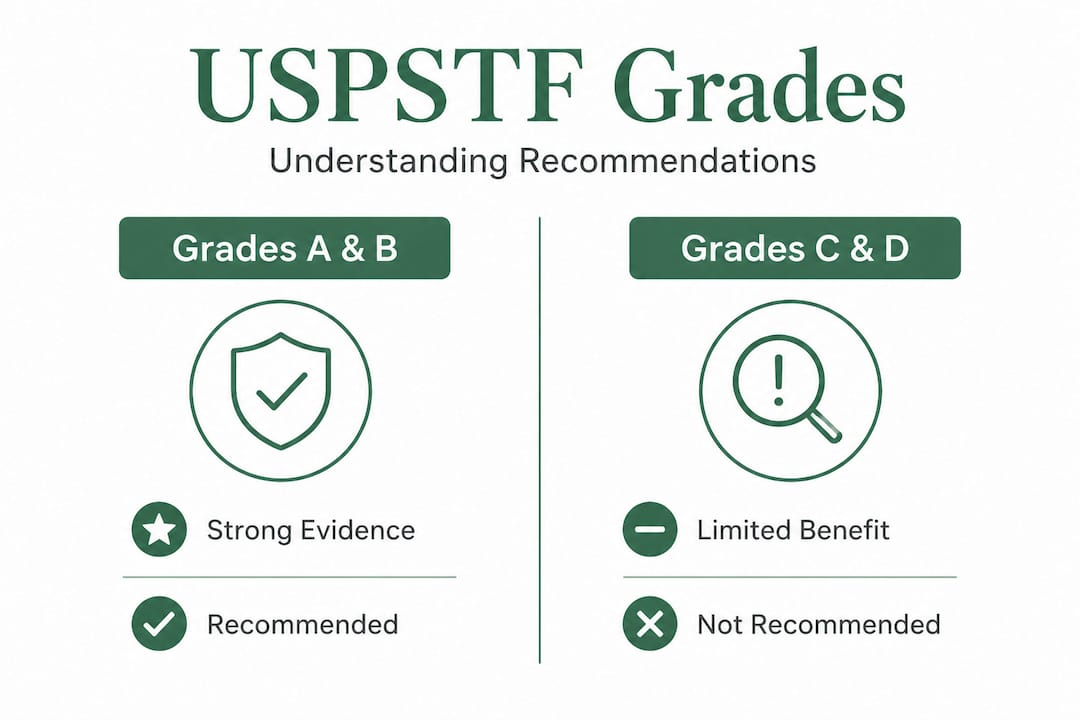
The USPSTF grades recommendations using a letter system: A and B mean the intervention is recommended, C means it may be appropriate for select patients, D means it’s discouraged, and I means there’s not yet enough evidence. Importantly, these grades are based on the balance of benefits and harms from clinical trials, not on cost. That means every item on your checklist has real evidence behind it.
A standard adult checklist covers blood pressure screening, cholesterol testing, diabetes screening for adults ages 35 to 70 who are overweight or obese, colorectal cancer screening from ages 45 to 75, depression screening, HIV testing for ages 15 to 65, hepatitis C screening for ages 18 to 79, and immunizations following CDC and ACIP (Advisory Committee on Immunization Practices) schedules. These aren’t optional extras. They are evidence-based steps that catch problems early, when treatment is most effective and least costly.
Here’s a quick look at some core checklist items by age group:
| Screening or immunization | Recommended age range | Notes |
|---|---|---|
| Blood pressure | All adults | At least every 1 to 2 years |
| Cholesterol (lipid panel) | Men 35+, women 45+ (earlier if at risk) | Varies by risk level |
| Type 2 diabetes | Ages 35 to 70, overweight or obese | Every 3 years if normal |
| Colorectal cancer | Ages 45 to 75 | Multiple screening options |
| Depression | All adults | Annually recommended |
| HIV | Ages 15 to 65 | At least once; more if at risk |
| Hepatitis C | Ages 18 to 79 | Once; more if at risk |
| Flu vaccine | All adults | Every year |
| Shingles (Shingrix) | Adults 50 and older | Two-dose series |
Understanding the types of preventive care available to you is the first step toward making smart health decisions. The checklist gives you a framework. Your provider helps you apply it to your specific situation.
How to prepare for your yearly preventive health review
Once you recognize the power of checklists, it’s time to prepare effectively for your next preventive appointment. Walking in prepared makes a real difference. It helps your provider give you better, more personalized guidance, and it helps you leave with a clear action plan rather than a vague sense that things are “probably fine.”
Start by gathering your personal and family medical history. Know which conditions run in your family, such as heart disease, diabetes, or certain cancers, because these factors directly influence which screenings you need and how often. Next, bring a current list of all medications and supplements you take, including dosages. Many people forget supplements, but they can interact with medications and affect lab results.

Think about any symptoms or lifestyle changes you’ve noticed since your last visit. Weight gain, increased stress, changes in sleep, or new aches are all worth mentioning. Your provider uses this information to adjust your checklist accordingly. Preventive care checklists follow USPSTF and CDC age and risk-based guidelines, but they’re personalized through shared decision-making, iterative reviews, and input from multiple disciplines including nutrition, physical activity, and mental health.
Knowing which vaccinations and screenings are due before you arrive saves time and prevents gaps. Here’s a simplified reference by age:
| Age group | Key priorities |
|---|---|
| 18 to 39 | Blood pressure, HIV, depression, STI screening if at risk, flu vaccine |
| 40 to 49 | Add cholesterol, diabetes (if overweight), colorectal cancer screening at 45 |
| 50 to 64 | Add shingles vaccine, lung cancer screening (if smoker), bone density if at risk |
| 65 and older | Pneumococcal vaccine, fall prevention, cognitive screening, annual flu |
Shared decision-making is central to streamlining preventive care. This means your provider explains the options, you share your preferences and concerns, and together you decide what makes sense for your life.
Pro Tip: Write down two or three specific questions before your appointment. Something like “Is it time for my colorectal cancer screening?” or “Should I be checked for prediabetes?” These targeted questions keep the visit focused and ensure nothing falls through the cracks.
Use the checklist: Step-by-step guide for adults
With the groundwork prepared, let’s walk through exactly how to use the checklist and ensure nothing important is missed. Think of this as your annual health cycle, not a one-time event.
-
Schedule your visit. Book your annual wellness exam at least one month before your birthday or another memorable anchor date. This makes it easier to stay consistent year after year.
-
Review last year’s results. Pull up any lab work, imaging, or specialist notes from the previous 12 months. Knowing your baseline helps you and your provider track changes over time.
-
Update your checklist. Use your age, family history, and any new health developments to identify which screenings and vaccines are now due. Your provider will confirm this during the visit.
-
Attend the visit and ask your questions. Bring your written list. Don’t rush through it. A good preventive visit covers your physical health, mental health, and lifestyle habits.
-
Follow up on referrals and results. If your provider orders labs or refers you to a specialist, make those appointments within two weeks. Delays are where prevention breaks down.
-
Set goals for the next 12 months. Evidence from the Diabetes Prevention Program shows that losing 5 to 7% of body weight and getting 150 minutes of moderate activity per week can prevent type 2 diabetes in people with prediabetes. That kind of goal, set with your provider, becomes part of your personalized plan.
-
Track your progress. Log your blood pressure readings, weight, activity, and any symptoms between visits. This data is valuable at your next appointment.
Understanding how personalized health programs work can help you see why this stepwise approach is so effective. And if you want to understand the financial and health value of staying current, reviewing the preventive care benefits available to you is well worth your time.
Pro Tip: Use a free app like Apple Health, Google Fit, or a simple paper log to track your blood pressure, weight, and activity between visits. Bringing this data to your appointment gives your provider a much clearer picture of your day-to-day health.
Personalizing your checklist: Wellness plans for chronic conditions
Of course, your needs may go beyond generic checklists. If you’re managing a chronic condition like type 2 diabetes, hypertension, heart disease, or depression, a standard checklist is just the starting point. You need a plan that reflects your specific situation.
One-size-fits-all prevention simply doesn’t work when your health is more complex. For example, someone with diabetes needs HbA1c testing every three to six months, not just annually. Someone with hypertension may need blood pressure checks every visit, along with kidney function labs and an EKG. These additions aren’t optional; they’re medically necessary.
A Cochrane review on personalized care planning found that individualized plans reduced HbA1c by 0.24%, lowered systolic blood pressure by 2.64 mmHg, and improved depression scores with a standardized mean difference of negative 0.36. These are meaningful, measurable improvements that come directly from tailoring care to the individual.
Here’s how a standard checklist compares to a personalized plan for someone with type 2 diabetes:
| Checklist item | Standard adult | Personalized (diabetes) |
|---|---|---|
| Blood glucose/HbA1c | Once if at risk | Every 3 to 6 months |
| Blood pressure | Every 1 to 2 years | Every visit |
| Eye exam | Not standard | Annually (diabetic retinopathy) |
| Foot exam | Not standard | Annually or more often |
| Kidney function (eGFR, urine) | Not standard | Annually |
| Flu vaccine | Annually | Annually (higher priority) |
| Nutrition counseling | As needed | Regularly integrated |
Multidisciplinary input makes a real difference here. When your primary care provider works alongside a dietitian, a behavioral health specialist, and a care coordinator, your plan becomes far more effective than any single provider could achieve alone. Tips for managing chronic conditions through primary care can help you understand what to expect from this kind of integrated approach.
If you’re already enrolled in a personalized health program, you’re ahead of the curve. And if you’re not, exploring chronic care management options may be the most important step you take this year.
Common pitfalls and how to stay on track
Even armed with a great plan, it’s easy to stumble. Knowing the most common mistakes helps you avoid them before they cost you.
The most frequent pitfall is simply not updating your checklist. Health guidelines change, and your personal risk factors change too. A checklist from three years ago may be missing newer recommendations or may no longer reflect your current health status. Review it every year without exception.
Another common issue is forgetting follow-up care. You get a lab result flagged as borderline, your provider says “let’s recheck in three months,” and then life gets busy. Three months becomes six, then twelve. This is where early detection loses its advantage. Build follow-up appointments into your calendar the same day they’re recommended.
Mental health is also frequently overlooked. Depression screening is part of the standard checklist for good reason. Untreated depression affects medication adherence, physical activity, nutrition, and overall health outcomes. Don’t skip it or minimize it during your visit.
“Tailored interventions show the greatest benefit for individuals who are undernourished or frail, while evidence remains insufficient for some specific populations, such as older adults experiencing caregiver abuse.” USPSTF screening guidance highlights the importance of knowing when standard tools have limits.
Digital tools like health apps and patient portals can be genuinely helpful for tracking and reminders. But research published in SAGE Journals makes clear that digital tools need human connection and low burden to succeed long-term. An app alone won’t keep you motivated. A real relationship with your care team will.
Exploring the benefits of health programs that combine technology with personal support gives you the best of both worlds.
Pro Tip: Choose one accountability strategy and stick with it. Whether it’s a trusted friend who checks in on your health goals, a health coach, or scheduled quarterly check-ins with your provider, consistent human contact dramatically improves long-term success with any wellness plan.
The uncomfortable truth about checklists: Why personalization is the future
Here’s what we’ve learned from working with patients across North Bergen and Secaucus: most people think a checklist is the finish line. It’s not. It’s the starting line.
Static checklists are useful tools, but they were never designed to capture the full complexity of a real person’s health. Your stress levels, sleep quality, social support, financial pressures, and personal health history all shape your risk in ways that no standard form can fully account for. The adults who make the most meaningful health gains are the ones who treat prevention as an ongoing, evolving conversation with their care team, not a box to check once a year.
Research comparing personalized versus routine care shows that tailored approaches consistently outperform standard care for symptom management and self-efficacy. Self-efficacy means your belief in your own ability to manage your health, and it turns out to be one of the strongest predictors of long-term wellness. When you feel genuinely supported and understood, you follow through.
Dynamic digital health tools are promising, but the evidence is still inconclusive when compared to enhanced human-centered care. The USPSTF itself has faced criticism for not always keeping pace with equity considerations and real-world complexity. That’s not a reason to distrust the checklist. It’s a reason to see it as a foundation, not a ceiling.
The future of prevention is a living partnership. Your checklist evolves as you age, as your circumstances change, and as new evidence emerges. Personalized programs in action show what this looks like when it’s done well: regular touchpoints, adjusted goals, and a care team that knows your name and your history.
Next steps: Local programs to help you thrive
If you’re ready to go further, here are trusted local programs that make starting or personalizing your checklist easy.
At Garden State Medical Group, we offer primary care services designed around your individual health needs, with providers who take the time to build a real picture of your health history and goals.
Our wellness programs cover everything from weight management and diabetes prevention to bone health and lung health, giving you structured, evidence-based support that goes well beyond a standard annual visit. For those managing ongoing conditions, our chronic care management programs provide coordinated, multidisciplinary care that keeps your plan current and your health moving in the right direction. Reach out today to schedule your preventive visit and take the first real step toward lasting wellness.
Frequently asked questions
What screenings are most important for adults over 40?
Key screenings include blood pressure, cholesterol, type 2 diabetes (if overweight or obese), colorectal cancer starting at 45, depression, HIV, hepatitis C, and recommended vaccines per CDC and ACIP guidelines.
How often should you update your preventive health checklist?
Review and update your checklist at least once a year, or sooner if you experience major health changes, because USPSTF and CDC guidelines are updated regularly and your personal risk factors evolve over time.
Can I use digital apps to manage my preventive health plan?
Digital tools can help you track progress and set reminders, but long-term success depends on pairing those tools with low-burden, consistent human support from your care team.
Should preventive care plans be different if I have a chronic condition?
Yes, chronic conditions require more frequent monitoring and additional screenings. Personalized care planning has been shown to produce measurable improvements in blood sugar, blood pressure, and mental health outcomes compared to standard care alone.