
Elderly Patient Wellness Guide: Thrive at Any Age
TL;DR:
- Maintaining elderly wellness involves active management of physical, mental, and social health to preserve independence and quality of life. Consistent exercise, proper nutrition, social engagement, preventive screenings, and dignified caregiving are essential strategies for aging successfully. Small, evidence-based habits can significantly improve health outcomes at any age, emphasizing that it’s never too late to start.
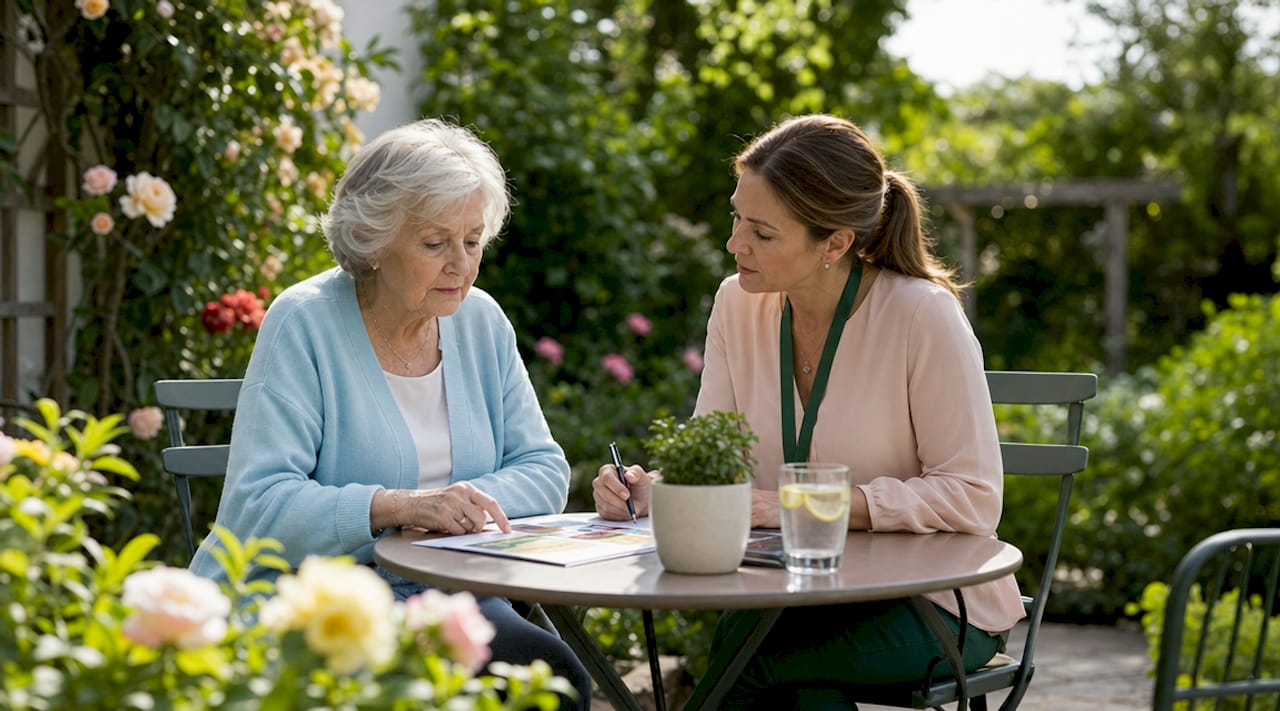
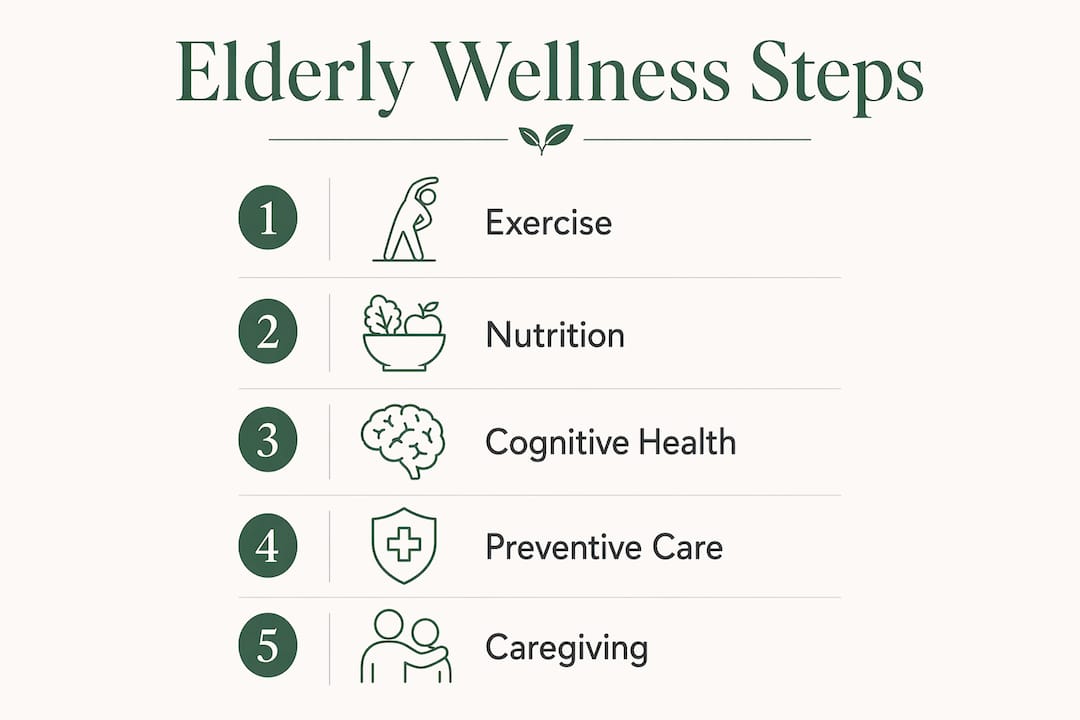
Elderly patient wellness is defined as the active, ongoing management of physical, mental, and social health to preserve independence and quality of life in later years. Clinicians often call this geriatric health maintenance, a term that captures the full scope of what it takes to age well. This guide covers the five pillars that matter most: exercise, nutrition, cognitive and social engagement, preventive care, and effective caregiving. Whether you are a senior managing your own health or a caregiver supporting someone you love, every section below gives you specific, evidence-based steps you can act on today.
What are the best exercise and physical activity practices for elderly wellness?
Physical activity is the single most studied intervention for maintaining independence in older adults. Older adults should aim for 150 minutes of moderate aerobic activity weekly, plus muscle-strengthening exercises at least twice per week. That target sounds large, but it breaks down to about 30 minutes on five days, and even 10-minute movement increments count toward your total. Consistency matters far more than intensity.
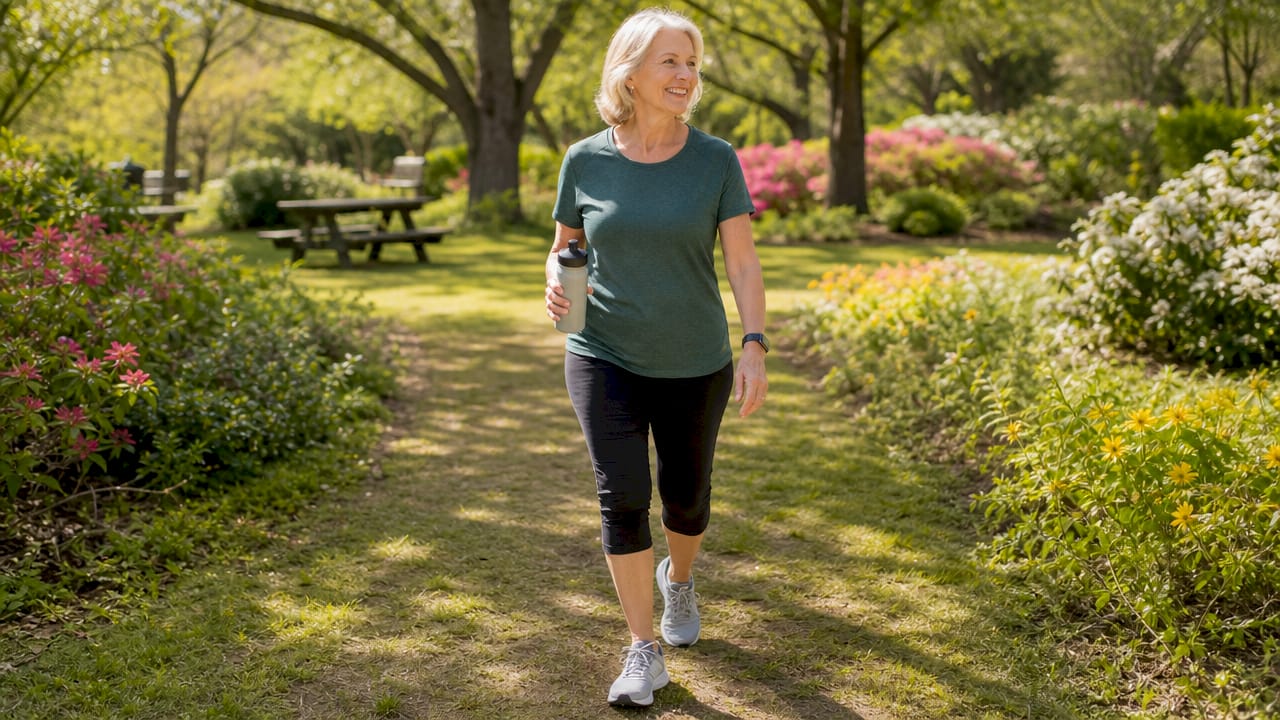
Walking is the most accessible starting point for most seniors. Reaching 7,000 steps daily supports cardiovascular health and helps control blood sugar, blood pressure, and weight. If a full walk feels difficult, chair exercises, water aerobics, and resistance band workouts deliver similar benefits with less joint stress. The key is choosing movement you will actually repeat.
Balance training deserves its own focus because falls are one of the leading causes of lost independence in seniors. Strength and balance training starting in your 60s directly lowers fall risk and correlates with better long-term survival. Better balance does not require a gym membership or special equipment. You can build it through simple standing exercises done at home.
Here are the core exercise categories to include each week:
- Aerobic activity: Walking, swimming, cycling, or dancing for at least 150 minutes total
- Strength training: Light weights, resistance bands, or bodyweight exercises twice weekly
- Balance work: Single-leg stands, heel-to-toe walking, and side leg raises
- Flexibility: Gentle stretching or yoga to maintain range of motion and reduce stiffness
Pro Tip: Pair balance exercises with tasks you already do every day. Standing on one foot while brushing your teeth, for example, adds meaningful balance training without requiring extra time in your schedule.
How can elderly patients optimize nutrition for strength and vitality?
Nutrition is the foundation of muscle preservation, immune function, and energy in older adults. Healthy older adults require 1.0 to 1.3 grams of protein per kilogram of bodyweight daily to prevent muscle loss. For a 150-pound person, that translates to roughly 68 to 88 grams of protein per day. Spreading that intake across three meals, with 20 to 30 grams per sitting, improves absorption and supports muscle repair more effectively than loading it all into one meal.
Hydration is a hidden challenge for many seniors. The body’s thirst sensation weakens with age, meaning you can become dehydrated before you feel thirsty. Scheduling fluid intake rather than relying on thirst cues is the most practical solution. Linking a glass of water to existing habits, such as taking medications or sitting down for a meal, builds consistency without relying on memory or thirst.
The Mediterranean-style diet and plant-forward eating patterns consistently show the strongest evidence for healthy aging. Both emphasize vegetables, legumes, whole grains, fish, and healthy fats like olive oil while limiting ultra-processed foods high in sodium, added sugar, and saturated fat. These dietary patterns support heart health, cognitive function, and weight management simultaneously. For seniors managing chronic conditions, this approach also aligns well with chronic disease management goals.
Pro Tip: Keep a filled water bottle visible on your kitchen counter or beside your chair. Visibility is one of the most reliable cues for increasing daily fluid intake without conscious effort.
Key nutrition priorities for seniors at a glance:
- Protein at every meal from sources like eggs, Greek yogurt, fish, chicken, beans, or tofu
- At least 8 cups of fluid daily, prioritizing water, herbal tea, and low-sodium broth
- Colorful vegetables and fruits at each meal for fiber, vitamins, and antioxidants
- Limiting packaged snacks, processed meats, and foods with more than 600mg sodium per serving
What cognitive and social habits support brain health in seniors?
Brain health in older adults depends on two factors that are often underestimated: mental stimulation and social connection. Mental stimulation and social connection help maintain cognitive function and protect against dementia. Seniors who stay mentally and socially active build what researchers call cognitive reserve, which is the brain’s ability to adapt and compensate as it ages. This reserve does not eliminate risk, but it delays the onset and slows the progression of cognitive decline.
Here are four practical ways to build cognitive and social engagement into your weekly routine:
- Learn something new regularly. Taking a class, picking up a musical instrument, or learning a new language activates neural pathways that routine activities do not. Community colleges and local libraries often offer free or low-cost programs for seniors.
- Engage in complex conversations. Discussing books, current events, or personal histories with friends or family stimulates memory and verbal reasoning more than passive activities like watching television.
- Join group activities. Volunteering, joining a walking group, or participating in a faith community provides both social contact and a sense of purpose. Socially connected seniors show better memory retention and lower rates of depression.
- Prioritize sleep alongside mental activity. Older adults require 7 to 8 hours of quality sleep nightly. Sleep is when the brain consolidates memories and clears metabolic waste, making it as important as any daytime cognitive exercise.
Isolation is a genuine health risk, not just an emotional one. Seniors who report chronic loneliness show measurably worse cognitive outcomes over time. Even brief, regular social contact, such as a weekly phone call or a shared meal, produces measurable benefits for mood and mental sharpness.
How does regular preventive care and health monitoring benefit elderly patients?
Preventive care is the most cost-effective tool available for maintaining independence in later life. 87% of adults aged 65 and older have at least one chronic condition, and over 60% have two or more. That statistic means most seniors are not managing a single health issue in isolation. They are managing a system of interconnected risks, which is exactly why regular screenings and checkups matter so much.
The table below outlines the core screenings recommended for older adults and how often they are typically needed:
| Screening | Recommended frequency |
|---|---|
| Blood pressure check | At every provider visit or at least annually |
| Cholesterol panel | Every 1 to 5 years depending on risk level |
| Blood glucose or A1C | Annually for those at risk for diabetes |
| Bone density scan (DEXA) | Every 2 years for women over 65; as advised for men |
| Vision and hearing exam | Annually or as symptoms arise |
| Immunizations (flu, pneumonia, shingles) | Per CDC schedule for adults 65 and older |
Home monitoring adds another layer of protection between provider visits. Tracking blood pressure, blood glucose, or weight at home gives you and your care team early warning of changes that need attention. The goal is not to create anxiety around numbers but to catch trends before they become crises. Pairing home monitoring with routine health screenings creates a complete picture of your health over time.
Seniors with multiple conditions benefit most from a consistent primary care relationship. A provider who knows your full history can coordinate screenings, adjust medications, and identify interactions that a specialist seeing you once a year might miss. The preventive care benefits extend beyond health outcomes. They also reduce emergency visits and hospitalizations, which directly lowers healthcare costs.
What best practices improve caregiving effectiveness and support elderly dignity?
Effective caregiving starts with organization, not just good intentions. A shared, visible care plan detailing medications, emergency contacts, and daily routines reduces caregiver burnout and prevents the kind of miscommunication that leads to missed doses or family conflict. This plan does not need to be elaborate. A single printed sheet on the refrigerator, updated regularly, serves the purpose well.
Caregiver burnout is real and it affects the quality of care the elder receives. Rotating caregiving duties among family members, using respite care services, and connecting with local Area Agency on Aging programs all reduce the physical and emotional load on any one person. Asking for help is not a failure. It is a practical strategy that protects both the caregiver and the person being cared for.
Dignity-led caregiving is the standard that separates good care from great care. Dignity-led caregiving prioritizes patient preferences and familiar routines, reducing anxiety and reinforcing identity. This means asking before assisting, preserving privacy during personal care, and honoring the elder’s preferences around food, clothing, and daily schedule even when those preferences require extra effort.
Small daily habits benefit both the caregiver and the elder. Breathwork, gentle stretching, and micro-meditations reduce stress and improve mood for both parties. A five-minute breathing exercise done together in the morning costs nothing and builds a shared moment of calm that carries through the rest of the day.
Practical caregiving habits that make a measurable difference:
- Post the care plan where every household member and visitor can see it
- Schedule caregiver breaks weekly, not just when exhaustion sets in
- Use a pill organizer and a written medication log to prevent dosing errors
- Involve the elder in decisions about their own care whenever possible
Pro Tip: Set a weekly 15-minute check-in with other family members or co-caregivers to review the care plan and flag any changes in the elder’s health or behavior. Early communication prevents small problems from becoming serious ones.
Key takeaways
Consistent, targeted wellness habits across exercise, nutrition, cognitive engagement, preventive care, and dignified caregiving are the most effective approach to maintaining independence and quality of life for elderly patients.
| Point | Details |
|---|---|
| Exercise weekly | Aim for 150 minutes of aerobic activity and two strength sessions per week. |
| Prioritize protein and hydration | Consume 1.0 to 1.3g protein per kg bodyweight daily and schedule fluid intake. |
| Stay mentally and socially active | Regular learning, conversation, and group activities build cognitive reserve. |
| Keep up with preventive screenings | Annual blood pressure, glucose, vision, and hearing checks catch problems early. |
| Use a shared care plan | A visible, updated care plan reduces caregiver burnout and medication errors. |
What I have learned about wellness in later life
From my experience working alongside seniors and their families, the most common mistake I see is waiting for a health crisis before making changes. People assume that meaningful improvement requires dramatic intervention. It does not. It is never too late to adopt healthy habits that significantly impact independence and quality of life, even into your 70s and 80s. That is not a motivational phrase. It is a clinical finding.
What I find most undervalued in elder care wellness is the dignity piece. Families often focus entirely on physical safety and medical compliance, which are important, but they overlook how much a person’s sense of self matters to their health. When an elder feels respected, heard, and in control of their own choices, their engagement with care improves. They take their medications more reliably, they participate in exercise, and they report better mood. Dignity is not a soft concept. It is a health outcome.
The other thing I want caregivers to hear directly: your health matters too. You cannot sustain quality care if you are running on empty. The small daily habits, the breathing exercises, the scheduled breaks, these are not luxuries. They are part of the care plan. When caregivers stay well, the people they care for stay well longer. That connection is one of the most important and least discussed aspects of elder care wellness.
— Krunal
How Gardenstatemedicalgroup supports your wellness journey
Gardenstatemedicalgroup offers a full range of services designed specifically to support the health needs of older adults in North Bergen and Secaucus, New Jersey. From primary care that coordinates your preventive screenings and ongoing health management, to a dedicated chronic care management program for seniors living with multiple conditions, the team at Gardenstatemedicalgroup builds personalized wellness plans that reflect your health history, goals, and lifestyle. Cardiopulmonary services and specialized health programs for diabetes, bone health, and weight management are also available under one roof.
If you or a loved one is ready to take a more structured approach to aging well, schedule a consultation with Gardenstatemedicalgroup today. The right care team makes every wellness strategy in this guide easier to follow and more effective over time.
FAQ
What does an elderly patient wellness guide cover?
An elderly patient wellness guide covers the core areas of health management for older adults, including physical activity, nutrition, cognitive engagement, preventive screenings, and caregiving strategies. The goal is to support independence and quality of life through practical, evidence-based habits.
How much exercise do seniors need each week?
Seniors need at least 150 minutes of moderate aerobic activity weekly, plus muscle-strengthening exercises on two or more days. Breaking this into 10-minute increments throughout the day is equally effective as longer sessions.
What are the most important preventive screenings for elderly patients?
The most important screenings for seniors include blood pressure, cholesterol, blood glucose, bone density, vision, and hearing, along with updated immunizations for flu, pneumonia, and shingles. Regular screenings catch risk factors early, before they cause loss of independence.
How can caregivers prevent burnout while caring for an elderly patient?
Caregivers prevent burnout by rotating duties with other family members, using respite care services, and maintaining a visible shared care plan that reduces confusion and conflict. Small daily habits like breathwork and scheduled breaks also protect caregiver health over the long term.
Is it too late to start healthy habits in your 70s or 80s?
No. Research confirms that adopting healthy habits in your 70s and 80s still produces meaningful improvements in independence and quality of life. Starting later is always better than not starting at all.