
What is cardiopulmonary health? A guide for North Bergen adults
TL;DR:
- Many adults overlook how heart and lung health are interconnected as a single system essential for oxygen delivery. Cardiopulmonary exercise testing (CPET) identifies exercise intolerance and underlying issues that resting tests may miss, aiding early diagnosis. Maintaining lung capacity through lifestyle changes significantly reduces the risk of heart disease and improves overall cardiopulmonary well-being.
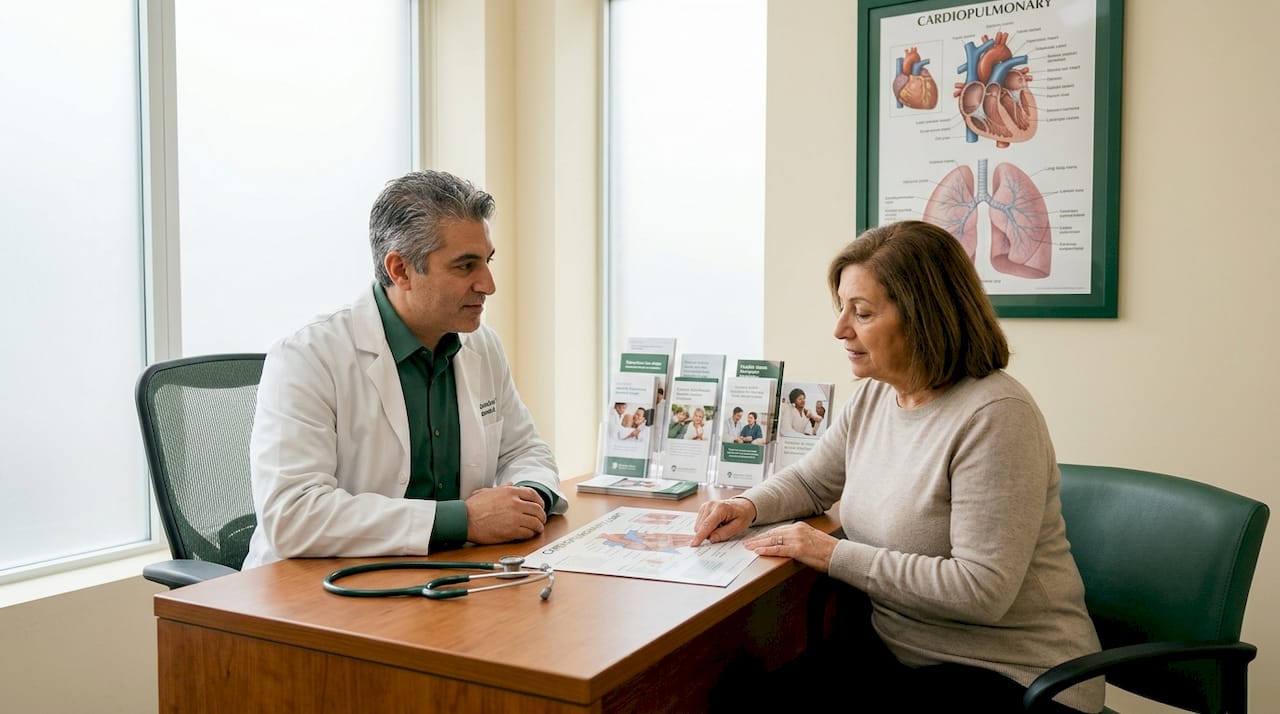
Most people think of heart health and lung health as two separate concerns. They are not. Cardiopulmonary health refers to how your heart and lungs work together as one system to deliver oxygen to every cell in your body. When that system is under stress, the effects show up in ways that are easy to dismiss — getting winded climbing stairs, feeling tired after mild activity, or noticing your heart racing when it should not. For adults in North Bergen and Secaucus, NJ, understanding what is cardiopulmonary health and how it affects your daily life is one of the most important steps you can take toward long-term wellness.
Table of Contents
- Understanding cardiopulmonary health and its significance
- How cardiopulmonary exercise testing (CPET) reveals your body’s fitness
- Common cardiopulmonary conditions: risks and symptoms to watch for
- The vital role lung function plays in your heart health
- Practical steps to improve and maintain your cardiopulmonary health
- Rethinking cardiopulmonary health: common pitfalls and what most overlook
- How Garden State Medical Group supports your cardiopulmonary health
- Frequently asked questions
Key Takeaways
| Point | Details |
|---|---|
| Understanding cardiopulmonary health | Your heart and lungs work together to supply oxygen, vital for energy and wellbeing. |
| Diagnostic value of CPET | Cardiopulmonary exercise testing reveals functional issues not seen at rest to guide treatment. |
| Lung capacity lowers risk | Higher lung capacity significantly reduces the chance of cardiovascular diseases. |
| Exercise benefits | Regular aerobic and strength training improves heart and lung function and lowers mortality risk. |
| Early detection matters | Recognizing symptoms and seeking testing early can prevent serious cardiopulmonary complications. |
Understanding cardiopulmonary health and its significance
Cardiopulmonary health describes the combined ability of your heart and lungs to circulate oxygenated blood throughout your body. Your lungs pull in oxygen and pass it into the bloodstream. Your heart then pumps that blood to your muscles, organs, and tissues. When either system falls short, the other has to compensate, and that extra burden is what eventually causes symptoms and disease.
The importance of cardiopulmonary health becomes clear when you look at how common the conditions affecting it actually are. About 1 in 20 adults aged 20 and older in the United States have coronary heart disease, a condition caused by plaque narrowing the arteries that supply the heart. Many of those people have no idea until a serious event forces the diagnosis.
What makes this especially relevant for adults in our area is that cardiopulmonary conditions tend to be underrecognized until symptoms become hard to ignore. The signs often appear gradually:
- Shortness of breath during light exercise or routine tasks
- Chest tightness or pain that fades with rest
- Fatigue that seems out of proportion to your activity level
- A persistent cough or wheezing that you chalk up to allergies
None of those symptoms are normal. Each one is your body signaling that cardiopulmonary function is being strained. Getting a proper evaluation from a provider who understands cardiopulmonary conditions is the step that changes outcomes.
How cardiopulmonary exercise testing (CPET) reveals your body’s fitness
Having an understanding of cardiopulmonary health leads naturally to how medical professionals assess it using specialized tests. The most informative of these is cardiopulmonary exercise testing, commonly called CPET.
CPET measures how your heart and lungs perform together while your body is under physical demand. Here is what the process looks like:
- You exercise on a stationary bike or treadmill, starting at a comfortable pace.
- The workload increases gradually over the course of the test.
- A mask or mouthpiece measures how much oxygen you consume and how much carbon dioxide you produce.
- Electrodes on your chest monitor heart rate and rhythm throughout.
- The test typically ends after 8 to 12 minutes, once peak effort is reached.
According to a 2025 scientific statement, CPET measures peak VO2 — the maximum amount of oxygen your body can use during exertion — using an incremental protocol that reflects the integrated function of both systems. That single number tells your doctor a great deal about your cardiovascular fitness and your risk profile.
What makes CPET uniquely valuable is its ability to pinpoint the cause of exercise intolerance. CPET differentiates cardiac from pulmonary limitations in patients with shortness of breath, revealing problems that resting tests simply cannot detect. If you have been told your heart looks fine on an EKG but you still get winded walking through a parking lot, CPET may provide the answer your standard workup missed.
Before the test, you should also review your pulmonary function testing results with your provider, as combining both assessments gives the most complete picture.
“Exercise testing reveals what the body cannot hide at rest. A patient who looks healthy sitting in a chair may show significant impairment the moment physical demand increases.”
Pro Tip: Avoid caffeine and smoking for at least two hours before your CPET appointment. Both can alter your heart rate and breathing patterns, which may skew the results and affect your treatment plan.
Common cardiopulmonary conditions: risks and symptoms to watch for
Equipped with testing knowledge, it is important to understand the diseases that CPET and other diagnostics help uncover. Two conditions stand out in terms of prevalence and impact on daily life.
Congestive heart failure occurs when the heart cannot pump blood efficiently enough to meet the body’s needs. Fluid backs up into the lungs and legs, causing breathlessness and swelling. Global prevalence of congestive heart failure reaches 64.34 million cases worldwide, making it one of the most common and disabling cardiopulmonary conditions in existence.
Coronary heart disease develops when plaque builds up inside the arteries that feed the heart muscle. Over time that buildup restricts blood flow, raising the risk of a heart attack. The insidious part is that many people with coronary artery disease feel completely well until a major event occurs.
Symptoms that should prompt you to seek an evaluation include:
- Shortness of breath that worsens with activity or when lying flat
- Chest pressure, tightness, or pain that radiates to the arm or jaw
- Persistent fatigue, especially new or unexplained tiredness
- Swelling in the ankles or legs
- Heart palpitations or an irregular heartbeat
Early diagnosis changes the trajectory of both conditions significantly. Reviewing the most common heart conditions and their warning signs is a practical starting point before your next appointment.
The vital role lung function plays in your heart health
Understanding heart disease leads us to appreciate how critical healthy lungs are for protecting your heart. This connection is more direct than most people realize.

Your lungs determine how much oxygen enters your bloodstream with every breath. Total lung capacity, or TLC, is the measure of the maximum amount of air your lungs can hold. A recent study found that for every 1-unit increase in TLC, cardiovascular disease risk drops by 12%. That is a meaningful number, and it means that protecting your lung function is also protecting your heart.
When lung capacity is reduced, whether from smoking, COPD, or prolonged inactivity, your heart has to work harder to compensate for the lower oxygen supply. That added workload accelerates wear on the cardiovascular system over time.
| Strategy | Effect on lung function | Cardiovascular benefit |
|---|---|---|
| Smoking cessation | Slows decline in lung capacity | Reduces artery inflammation and clot risk |
| Regular aerobic exercise | Increases breathing efficiency | Lowers resting heart rate and blood pressure |
| Pulmonary rehabilitation | Improves breathing muscle strength | Eases heart workload during activity |
| Weight management | Reduces pressure on the diaphragm | Decreases strain on the left ventricle |
Pro Tip: If you have been diagnosed with COPD or asthma, managing your lung condition proactively is also heart disease prevention. Read about COPD management tips to understand how targeted treatment protects both organs at once.
Practical steps to improve and maintain your cardiopulmonary health
Now that we understand why cardiopulmonary fitness matters, let us look at what you can actually do to build and protect it. The evidence here is specific and actionable.
Research shows that cardiac rehab with 2.5 to 5 hours of weekly exercise combining aerobic activity and strength training reduces mortality risk by 20 to 30 percent. That is a dramatic benefit from something as accessible as a structured exercise routine. The benefits of a cardiac rehabilitation program extend well beyond fitness, including improvements in blood pressure, cholesterol, and mental health.
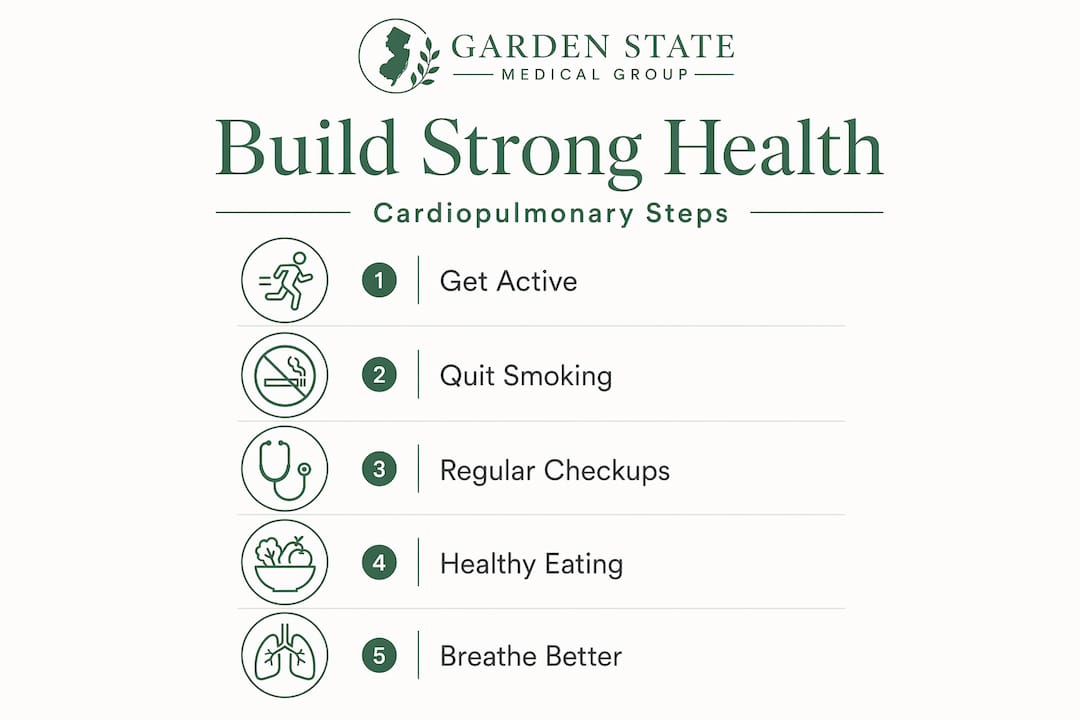
Aerobic exercise is particularly effective because it increases cardiac output and alveolar gas exchange, the process by which oxygen moves from the lungs into the bloodstream, which prevents the long-term decline of cardiopulmonary function.
Here is a framework for building sustainable cardiopulmonary fitness:
- Start with 20 to 30 minutes of brisk walking five days per week.
- Add two days of light resistance training targeting major muscle groups.
- Progress intensity gradually, using perceived exertion rather than pushing through pain.
- Include breathing exercises or yoga to improve lung capacity and diaphragm strength.
- Schedule a pulmonary function test every one to two years if you have a chronic condition.
Beyond exercise, protecting your cardiopulmonary health also means:
- Not smoking, and limiting secondhand smoke exposure
- Maintaining a healthy body weight to reduce strain on the heart and lungs
- Managing blood pressure, diabetes, and cholesterol with your physician
- Following up on any symptoms rather than waiting to see if they improve on their own
Your preventive healthcare routine is the foundation. Consistent monitoring makes it possible to catch problems early, when they are easiest to treat.
Pro Tip: If you are not sure where to start with exercise after a cardiac or pulmonary diagnosis, ask your doctor about a supervised rehabilitation program. These programs are specifically designed to build your fitness safely within your individual limits.
Rethinking cardiopulmonary health: common pitfalls and what most overlook
Here is something that rarely gets said plainly: most adults in their 50s and 60s who feel winded after moderate activity assume they are just getting older. They are not wrong that the body changes with age, but they are wrong to accept exercise intolerance as inevitable. In many cases, it is a treatable impairment, and the window to treat it effectively is right now.
The patients who benefit most from early intervention are not those with obvious, advanced disease. They are the ones whose symptoms are vague, whose resting tests look normal, and who have been told to watch and wait. CPET often changes that picture entirely. One finding in particular deserves more attention from patients and providers alike: ventilatory inefficiency.
Ventilatory inefficiency refers to the lungs requiring an abnormally high breathing effort to eliminate carbon dioxide during exercise. It is a measurable marker of poor prognosis in both heart failure and COPD, and it often appears before other obvious signs of decline. CPET identifies ventilatory inefficiency signaling poor prognosis, which can prompt earlier treatment that cuts disease exacerbations by 20 to 30 percent.
What this means practically is that if you or someone you care for has been managing a chronic condition without much progress, it may be worth asking specifically about CPET and whether integrated cardiac and pulmonary care has been considered. The siloed approach of treating the heart separately from the lungs is one of the most common missed opportunities in managing cardiopulmonary disease. When primary care, cardiology, and pulmonology coordinate from the start, patients consistently do better.
How Garden State Medical Group supports your cardiopulmonary health
With a clear understanding of what cardiopulmonary health means and how to protect it, the next step is connecting with a care team that can put all of this into practice for you personally.
At Garden State Medical Group, we provide cardiopulmonary care services including CPET, pulmonary function testing, and cardiac rehabilitation programs designed for adults at every stage of heart and lung health. Whether you are managing an existing condition or simply want to understand your baseline fitness, our team in North Bergen and Secaucus is equipped to guide you. Our primary care physicians work directly alongside our specialists to ensure your care is coordinated, not fragmented. For patients living with ongoing conditions, our chronic care management program provides the structured support needed to stay on track between appointments. Reach out today to schedule your evaluation.
Frequently asked questions
What exactly does cardiopulmonary health mean?
Cardiopulmonary health refers to how well your heart and lungs function together to supply oxygen to your body, which is essential for overall health and physical endurance.
How is cardiopulmonary exercise testing (CPET) performed?
CPET involves exercising on a treadmill or stationary bike for 8 to 12 minutes with gradually increasing intensity while your heart and lung performance are monitored to assess fitness and detect underlying issues.
What are the common signs of cardiopulmonary problems?
Common signs include shortness of breath during activity, chest pain, unusual fatigue, and reduced exercise tolerance. Symptoms like these often appear during physical exertion in conditions like coronary heart disease and always warrant a medical evaluation.
Can improving lung function reduce heart disease risk?
Yes. Research shows that increasing lung capacity by one unit lowers cardiovascular disease risk by 12%, which underscores the protective relationship between lung function and heart health.
How much exercise is recommended for better cardiopulmonary health?
Current guidelines recommend 2.5 to 5 hours weekly of aerobic exercise combined with strength training to meaningfully improve cardiopulmonary fitness and reduce the risk of mortality from heart and lung conditions.