
Checklist for Elderly Wellness: 2026 Senior Guide
TL;DR:
- A senior wellness checklist promotes healthy aging by guiding physical activity, nutrition, preventive care, and social engagement. Building small, consistent habits like regular exercise, proper nutrition, home safety, and social contact helps seniors maintain independence and health longer. Regular monitoring and adjustments ensure ongoing well-being and early detection of health issues.
A checklist for elderly wellness is a structured guide covering physical activity, nutrition, preventive healthcare, cognitive engagement, and home safety to support healthy aging. Seniors and their families who use a formal wellness plan catch health changes earlier and maintain independence longer. The International Association of Gerontology and Geriatrics endorses proactive wellness monitoring as a cornerstone of healthy aging. This guide translates those expert recommendations into clear, daily actions you can start today.
1. Build a physical activity routine that reduces fall risk
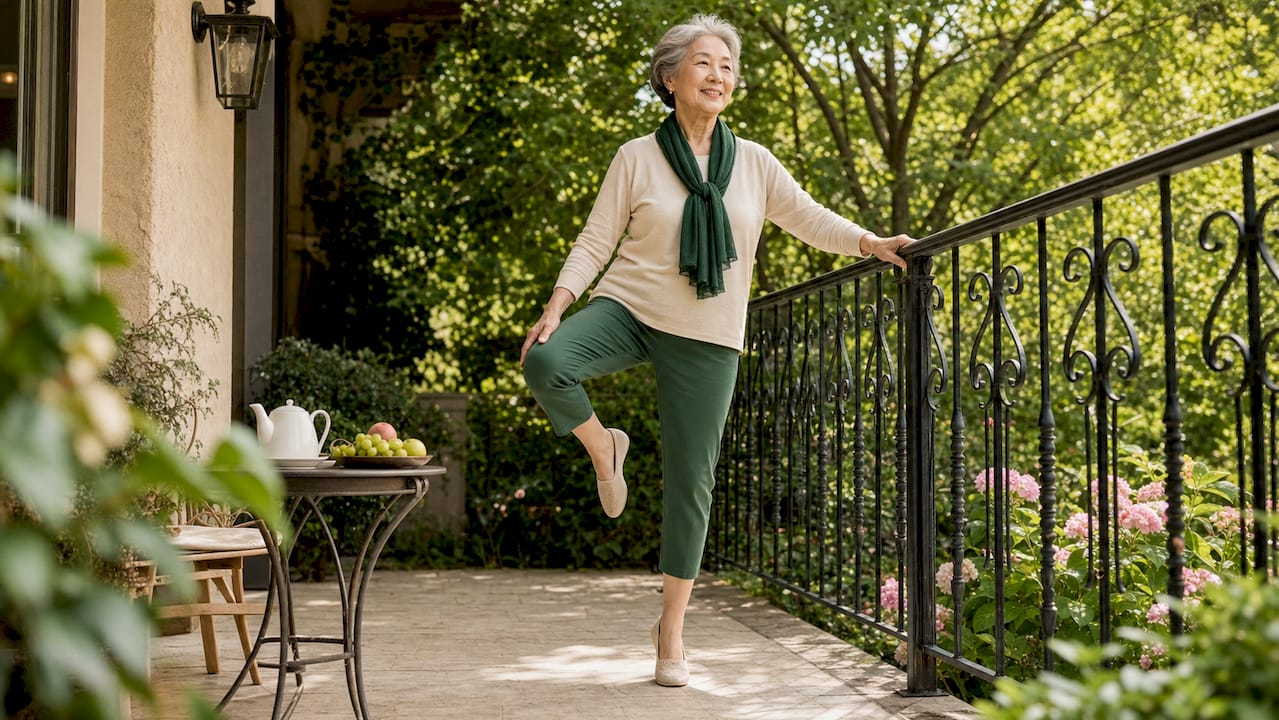
Regular exercise is the single most effective tool for preserving independence in older adults. The IAGG recommends 150 minutes of moderate-intensity aerobic activity each week, such as brisk walking, water aerobics, or cycling. That target reduces fall risk, supports cardiovascular health, and improves mood. Muscle-strengthening exercises, done at least two days per week, preserve the leg and core strength that keeps seniors steady on their feet.
Accessible exercises for seniors include:
- Walking: 30 minutes, five days per week, at a comfortable but slightly elevated pace
- Chair squats: Stand and sit from a sturdy chair 10 times, twice daily, to build leg strength
- Heel-to-toe walking: Walk in a straight line placing one foot directly in front of the other to train balance
- Seated leg lifts: Strengthen hip flexors without joint strain
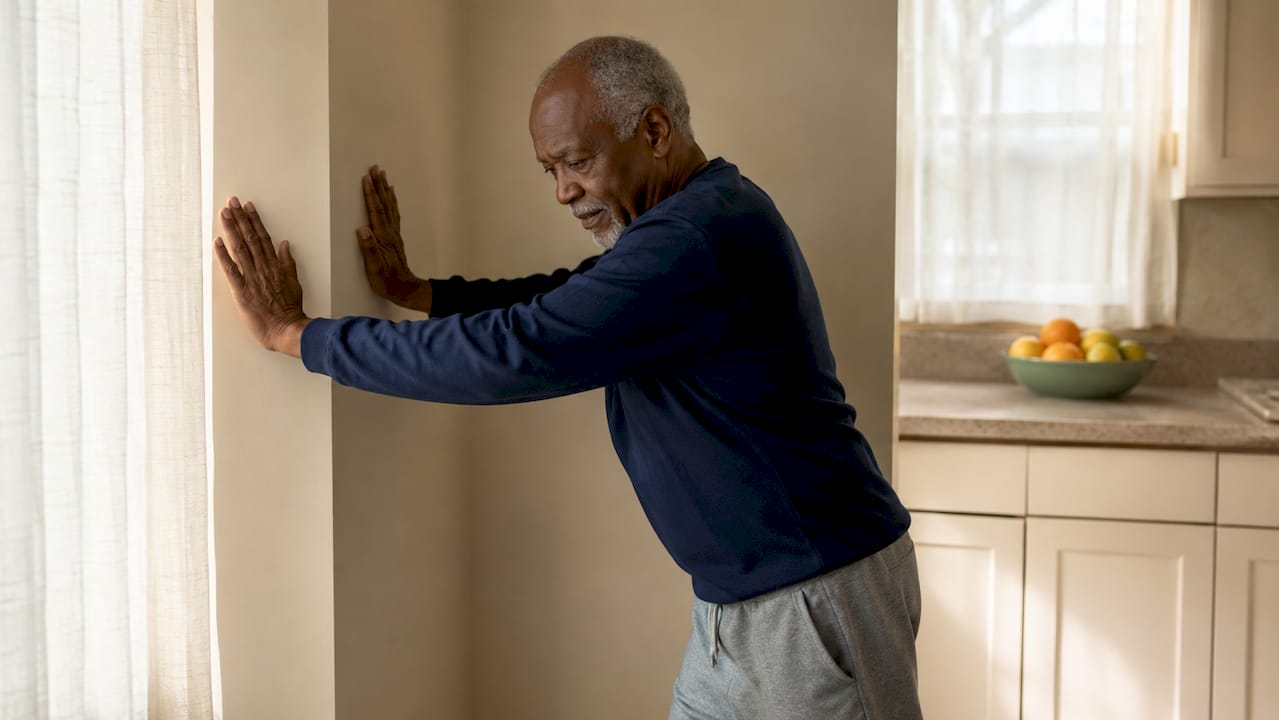
Pro Tip: Practice corner stands daily. Stand facing a corner, place both hands on the walls at shoulder height, and lean forward gently for 30 seconds. Stanford Medicine identifies balance training like Tai Chi as one of the most effective fall-prevention tools available to seniors.
2. Prioritize protein and hydration at every meal
Nutrition is the foundation of muscle preservation and cognitive health in aging adults. Healthy older adults need 1.0–1.3 grams of protein per kilogram of body weight daily to prevent muscle loss. A 150-pound senior needs roughly 68–88 grams of protein each day. That goal is reachable by including eggs, Greek yogurt, chicken, fish, beans, or cottage cheese at each meal.
A Mediterranean-style eating pattern delivers the right balance of nutrients for aging bodies. It centers on fruits, vegetables, whole grains, lean proteins, and healthy fats like olive oil and nuts. This pattern supports heart health, reduces inflammation, and protects cognitive function. Limiting ultra-processed foods, added sugars, and saturated fats reduces the risk of diabetes, hypertension, and cognitive decline.
Hydration deserves special attention because the sensation of thirst weakens with age. Seniors can become dehydrated before they feel thirsty, which affects energy, kidney function, and mental clarity. Aim for at least six to eight glasses of water daily. Soups, fruits, and herbal teas count toward that total.
Pro Tip: Keep a water bottle visible on the kitchen counter as a visual reminder to drink throughout the day. Pairing hydration with meals and snacks makes the habit automatic. For more on healthy aging nutrients, including protein and micronutrient needs, practical guidance is available for adults 35 and older.
3. Schedule preventive healthcare visits and screenings
Preventive monitoring catches problems before they become serious. Seniors with chronic conditions should visit their primary care provider every 3–6 months to review medications, track vital signs, and assess any new symptoms. For those in good health, an annual wellness visit covers the basics and sets a baseline for future comparisons.
Home monitoring fills the gaps between office visits. Checking blood pressure, blood glucose, and weight weekly gives you and your doctor a clearer picture of trends over time. A simple log, whether paper or digital, makes it easy to share that data at appointments.
| Screening | Recommended frequency |
|---|---|
| Blood pressure check | Monthly at home; each provider visit |
| Blood glucose (diabetes risk) | Annually or per physician guidance |
| Cholesterol panel | Every 4–5 years, or annually with risk factors |
| Colorectal cancer screening | Per physician guidance, typically every 1–10 years |
| Bone density scan (DEXA) | Every 1–2 years for women 65+; per physician for men |
| Annual flu vaccination | Every year in the fall |
| Pneumococcal vaccine | Per CDC schedule, typically once or twice after age 65 |
| Vision and hearing exam | Annually |
Medication reviews prevent polypharmacy, which is the risk that comes from taking multiple drugs that interact poorly. Ask your doctor or pharmacist to review your full medication list at least once a year. The screenings every adult needs vary by age and risk profile, so work with your provider to personalize the schedule above.
4. Monitor mental, cognitive, and social wellness
Social connection is a fundamental health metric equal in importance to physical activity for cognitive and emotional health. Seniors who maintain regular social contact show slower rates of cognitive decline and lower rates of depression. Prioritizing relationships is not optional. It belongs on every senior wellness plan alongside exercise and nutrition.
Cognitive stimulation keeps the brain active and adaptable. Activities that challenge the mind include:
- Puzzles and strategy games: Crosswords, Sudoku, and chess build problem-solving pathways
- Learning new skills: A new language, musical instrument, or craft creates fresh neural connections
- Reading: Daily reading in any genre maintains vocabulary, focus, and comprehension
- Social groups: Book clubs, faith communities, and volunteer work combine social and intellectual engagement
Digital technology use is an underestimated form of cognitive training that enhances brain plasticity and function. Video calls, online learning platforms, and even casual smartphone use count as cognitive exercise. Helping a senior family member get comfortable with technology is a direct investment in their brain health.
Emotional well-being requires the same attention as physical health. Watch for signs of persistent sadness, withdrawal from activities, or changes in sleep patterns. These are not normal parts of aging. A conversation with a primary care provider or mental health professional is the right first step when those signs appear.
Pro Tip: Schedule one social commitment each week as a non-negotiable appointment. Treating social time with the same seriousness as a medical visit makes it far more likely to happen consistently.
5. Modify the home to prevent falls and injuries
The home is where most falls happen, and most fall risks are fixable before an accident occurs. Installing grab bars and improving lighting before a fall happens is the standard recommendation for aging in place safely. Waiting until after an injury to make changes costs more in recovery time than the modifications themselves.
Common hazards to address in a senior home safety review:
- Loose rugs and mats: Remove or secure with non-slip backing
- Poor lighting: Add nightlights in hallways, bathrooms, and stairwells
- Clutter in walkways: Keep floors clear, especially between the bedroom and bathroom
- Bathroom risks: Install grab bars near the toilet and inside the shower or tub
- Stair safety: Confirm handrails are secure on both sides of every staircase
Footwear matters as much as the environment. Shoes with non-slip soles and firm heel support reduce slip risk significantly. Avoid walking in socks or loose slippers on hard floors. An occupational therapist can conduct a formal home safety assessment and recommend assistive devices tailored to a senior’s specific mobility level. Pairing home modifications with balance exercises from Section 1 creates a layered approach to fall prevention.
6. Track subtle symptoms and act on changes early
Early attention to subtle symptoms like fatigue, behavioral changes, or unexplained weight loss can prevent complex health issues from developing. These small signals are often the earliest signs of decline and warrant prompt medical review. Families play a critical role here because they often notice changes before the senior does.
A preventive monitoring approach focuses on tracking daily patterns rather than waiting for symptoms to become severe. Keep a simple weekly log that notes energy levels, appetite, sleep quality, and mood. Share that log with your provider at each visit. This habit turns routine observations into useful clinical data. The elderly patient wellness guide from Gardenstatemedicalgroup offers a practical framework for building this kind of consistent tracking into daily life.
Key Takeaways
A complete senior wellness plan combines physical activity, nutrition, preventive care, cognitive engagement, home safety, and early symptom tracking to protect health and independence at every age.
| Point | Details |
|---|---|
| Physical activity target | Aim for 150 minutes of moderate aerobic activity weekly plus two strength sessions. |
| Protein intake | Consume 1.0–1.3 g of protein per kilogram of body weight daily to preserve muscle. |
| Preventive care visits | See your primary care provider every 3–6 months if you manage a chronic condition. |
| Social connection | Treat regular social engagement as a health requirement, not a leisure activity. |
| Home safety | Install grab bars and improve lighting before a fall occurs, not after. |
What I’ve learned from watching seniors thrive and struggle
Working alongside patients and families navigating the later decades of life, I’ve noticed one consistent pattern. The seniors who do best are not the ones who follow the most aggressive health regimens. They are the ones who build small, consistent habits and treat wellness as a lifestyle rather than a crisis response.
The wellness checklist concept gets misused when families treat it as a one-time audit. They check the boxes once, feel reassured, and move on. Real benefit comes from returning to the checklist monthly, adjusting it as health changes, and using it as a conversation starter between seniors and their care teams.
The area I see most neglected is social wellness. Families focus on medications, doctor visits, and diet, which are all valid priorities. But isolation accelerates cognitive decline faster than most physical conditions. A senior who eats well but sees no one for days at a time is at serious risk. Scheduling social contact with the same discipline as a medication schedule changes outcomes.
Senior wellness improvement is achievable even when starting in later decades through consistent, moderate habit changes. That finding should be reassuring. You do not need to overhaul everything at once. Pick one area from this guide, build the habit for four weeks, then add the next. Consistency over time beats intensity applied once.
— Krunal
Gardenstatemedicalgroup supports your senior wellness plan
Gardenstatemedicalgroup serves seniors and their families across North Bergen and Secaucus, New Jersey, with a multidisciplinary team that covers primary care, chronic condition management, cardiopulmonary services, and diagnostic testing.
If you or a family member manages diabetes, hypertension, heart disease, or another ongoing condition, the chronic care management program at Gardenstatemedicalgroup provides structured, personalized support between visits. For seniors building a wellness plan from the ground up, the primary care team can help you set screening schedules, review medications, and coordinate care across specialties. Contact Gardenstatemedicalgroup to schedule an appointment and get a wellness plan built around your specific health needs. You can also review the full cellular health checklist for additional guidance on vitality and preventive wellness.
FAQ
What does a checklist for elderly wellness include?
A senior wellness checklist covers physical activity, nutrition, preventive screenings, mental and social engagement, and home safety. Each area addresses a different dimension of health that affects independence and quality of life in older adults.
How often should seniors see their primary care doctor?
Seniors with chronic conditions should schedule primary care visits every 3–6 months. Those in good health benefit from at least one annual wellness visit to review screenings and update health baselines.
What is the recommended weekly exercise amount for older adults?
The IAGG recommends at least 150 minutes of moderate-intensity aerobic activity per week, plus muscle-strengthening exercises on two or more days. This level of activity reduces fall risk and supports cardiovascular and mental health.
How much protein do seniors need each day?
Healthy older adults need 1.0–1.3 grams of protein per kilogram of body weight daily. For a 150-pound senior, that equals roughly 68–88 grams of protein spread across meals and snacks.
Why is social connection part of a senior health checklist?
Social connection carries the same weight as physical exercise in preventing cognitive and emotional decline. Seniors who maintain regular social contact show slower rates of memory loss and lower rates of depression than those who are isolated.